Macron Vows Accountability as France Reels from Widespread Rioting and Looting
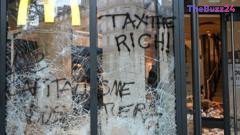
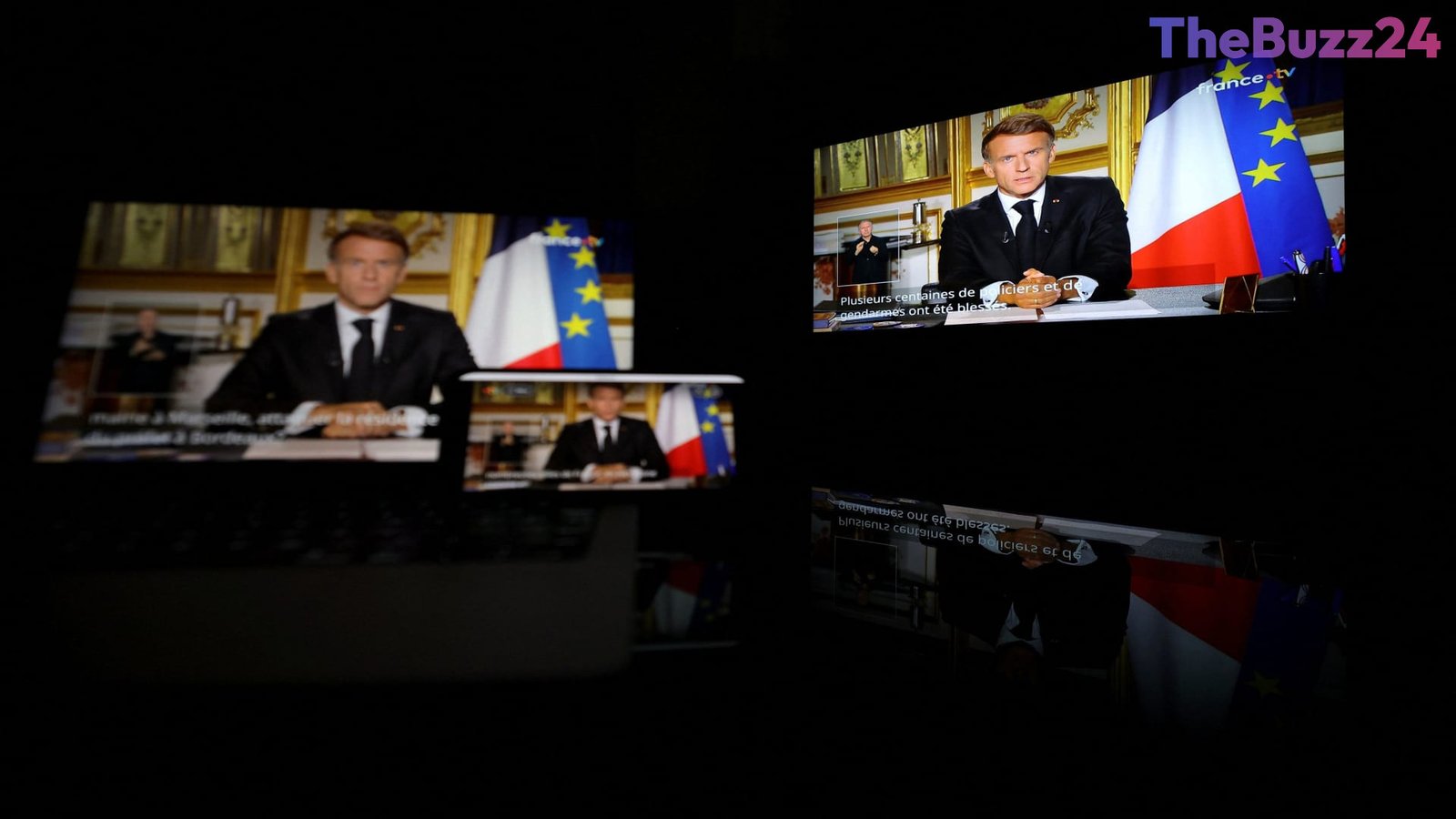
French President Emmanuel Macron has issued a stern warning to those responsible for the recent wave of violent unrest that has swept across the nation. In a televised address, the President expressed the public’s collective anger and shame regarding the destruction of public property, including the near-total loss of the historic City Hall in Limoges. Macron emphasized that individuals who engaged in looting or sought to undermine the Republic would face full legal accountability, characterizing the violence as the work of radical elements and criminal opportunists rather than legitimate protesters.
Authorities report that at least 1,800 people have been arrested following mass demonstrations that saw hundreds of thousands take to the streets to protest rising living costs and educational conditions. While many participants gathered peacefully, the events were marred by coordinated attacks on public buildings and widespread looting in major cities such as Paris, Marseille, and Lyon. Interior Minister Laurent Nuñez reiterated that while the right to protest is fundamental, the deliberate destruction of property and the targeting of businesses will not be tolerated.
The scale of the damage has prompted urgent calls for government intervention, with mayors from France’s largest cities requesting an emergency meeting with the Prime Minister. As the country grapples with the aftermath, the political climate remains tense. Opposition leaders have traded blame, with figures from both the far-right and far-left criticizing the government’s handling of the crisis. Meanwhile, local officials are working to secure public spaces and businesses, with authorities granted the power to ban protests in areas where the risk of further violence is deemed high.
Key Takeaways
- President Emmanuel Macron has pledged to hold those responsible for the recent riots and looting legally accountable.
- At least 1,800 arrests have been made nationwide following violent clashes that resulted in significant damage to public buildings and private businesses.
- The unrest, sparked by protests over living costs and education, has triggered a heated political debate ahead of the upcoming presidential election.
Editor’s Analysis & Impact
The recent surge in civil unrest in France highlights a deepening fracture between the government and segments of the population struggling with economic instability. The transition from peaceful protest to organized looting suggests that the ‘yellow vest’ movement’s legacy remains a potent, if volatile, force in French politics. From a market perspective, the widespread destruction of storefronts and the disruption of urban commerce pose a significant risk to local economies and investor confidence in the retail sector. Looking ahead, the government faces a precarious balancing act: it must restore public order and protect property without further alienating citizens who feel marginalized by current policies. The political fallout will likely dominate the national discourse, potentially shifting the landscape of the upcoming presidential election as candidates attempt to capitalize on the public’s demand for security and economic reform.
Frequently Asked Questions
Q: What triggered the recent protests in France?
A: The protests were primarily driven by public dissatisfaction regarding rising living costs and poor conditions within the nation's school system.
Q: How has the French government responded to the violence?
A: President Macron has vowed to hold perpetrators accountable, and the government has empowered local prefects to protect public buildings and ban protests in high-risk areas.
AI Disclosure: This article is based on verified data and official reports. Our Team and AI have cross-referenced every financial detail with primary sources to ensure total accuracy.
More from this Category