Major UK Air Traffic Control Glitch Causes Widespread Flight Delays and Cancellations
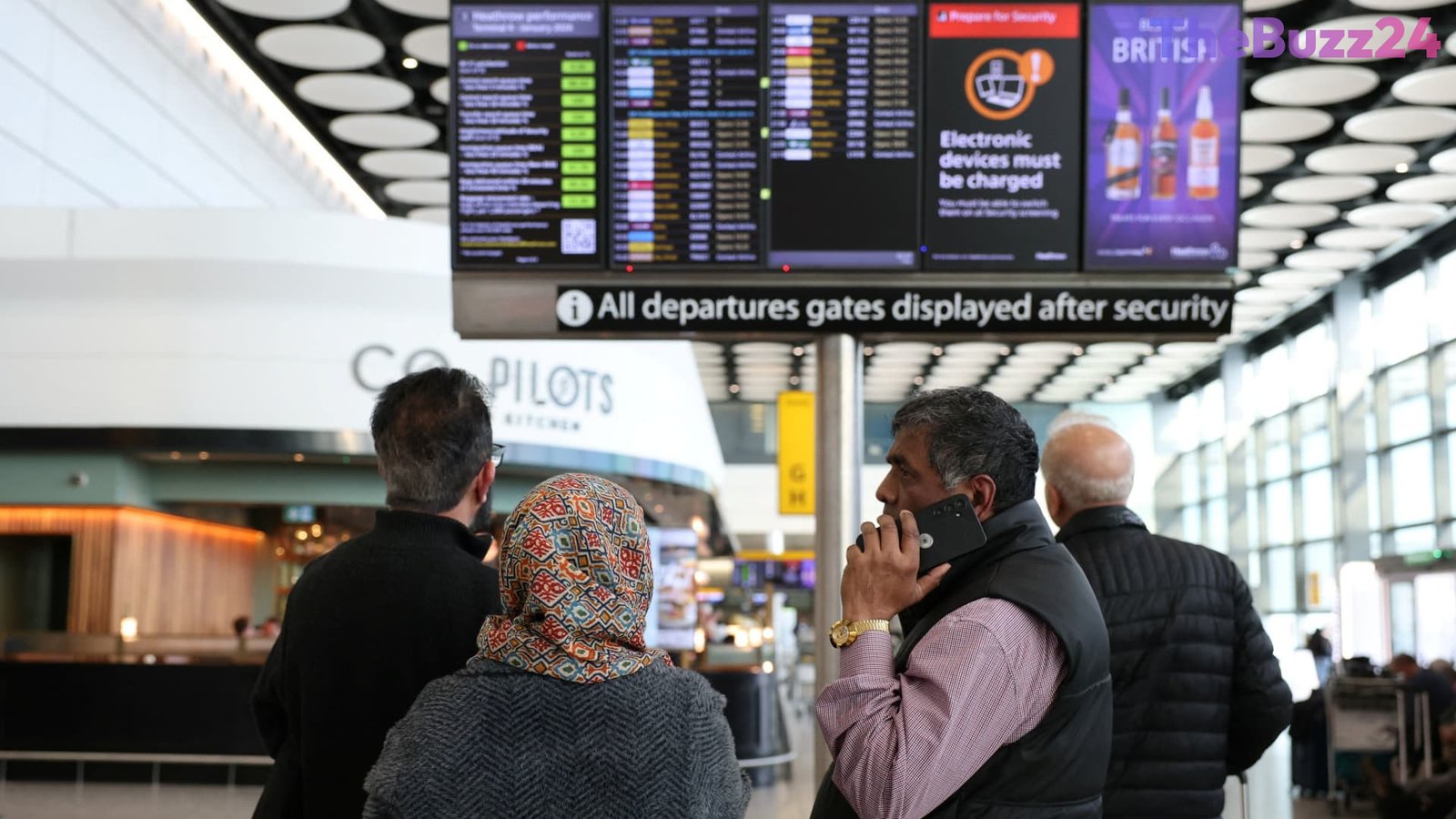
A technical malfunction within the primary flight processing system has triggered widespread disruption across numerous major British airports, leading to the cancellation and delay of hundreds of flights. Key international hubs including Heathrow, Gatwick, Manchester, and Stansted bore the brunt of the incident, leaving travelers stranded and airline schedules severely backed up.
Engineering teams were swiftly deployed to address the software glitch, working to stabilize the network and restore standard airspace capacity. While the UK airspace remained open and aircraft continued to depart at reduced rates, aviation authorities warned that the cascading nature of the delays meant full recovery would take considerable time. Flight tracking data highlighted substantial disruption, with dozens of cancellations recorded at Heathrow alongside hundreds of delayed departures across London and regional airports.
International and domestic connections were quickly hit by the fallout, with airports in Edinburgh, Dublin, Luton, Birmingham, and Glasgow reporting secondary impacts. Major commercial carriers, including British Airways and easyJet, issued advisories warning passengers of inevitable schedule changes and European-wide knock-on effects. This latest technological hiccup revives scrutiny over the resilience of Britain’s aviation infrastructure, echoing similar high-profile outages from previous years that cost carriers millions in compensation and forced calls for stronger contingency planning.
Key Takeaways
- A technical glitch in the flight processing system disrupted hundreds of flights across major UK airports, including Heathrow and Gatwick.
- Major airlines like British Airways and easyJet warned passengers of significant delays and cancellations extending across Europe.
- The incident has reignited scrutiny over the reliability and contingency planning of the UK's core aviation infrastructure.
Editor’s Analysis & Impact
The latest technical failure within the UK’s air traffic control network underscores the fragile nature of modern European aviation infrastructure. As airports handle increasing passenger volumes, software and system bottlenecks carry severe financial and operational implications. Airlines, already operating on tight margins, face substantial compensation payouts and logistical nightmares when core national systems fail. This repeated vulnerability highlights an urgent need for robust infrastructure upgrades and modernized contingency protocols. For the broader industry, such events erode consumer trust and complicate scheduling, potentially accelerating regulatory demands for enhanced technological redundancy and stricter performance standards across critical airspace management providers.
Frequently Asked Questions
Q: Which airports were affected by the air traffic control issue?
A: Major UK hubs including Heathrow, Gatwick, Manchester, Stansted, Luton, Birmingham, Edinburgh, Aberdeen, and Glasgow experienced delays and cancellations, alongside international connections like Dublin Airport.
Q: What caused the flight disruptions?
A: The disruptions were caused by a technical issue in the flight processing system managed by the UK's air traffic control provider.
Q: Are flights still operating during the technical issue?
A: Yes, airspace remained open and flights continued to depart, but traffic flow was heavily regulated, leading to extensive delays and recovery backlogs.
AI Disclosure: This article is based on verified data and official reports. Our Team and AI have cross-referenced every financial detail with primary sources to ensure total accuracy.
More from this Category