Mark Zuckerberg Aligns with Nvidia’s Jensen Huang on AI Safety and Development Pace
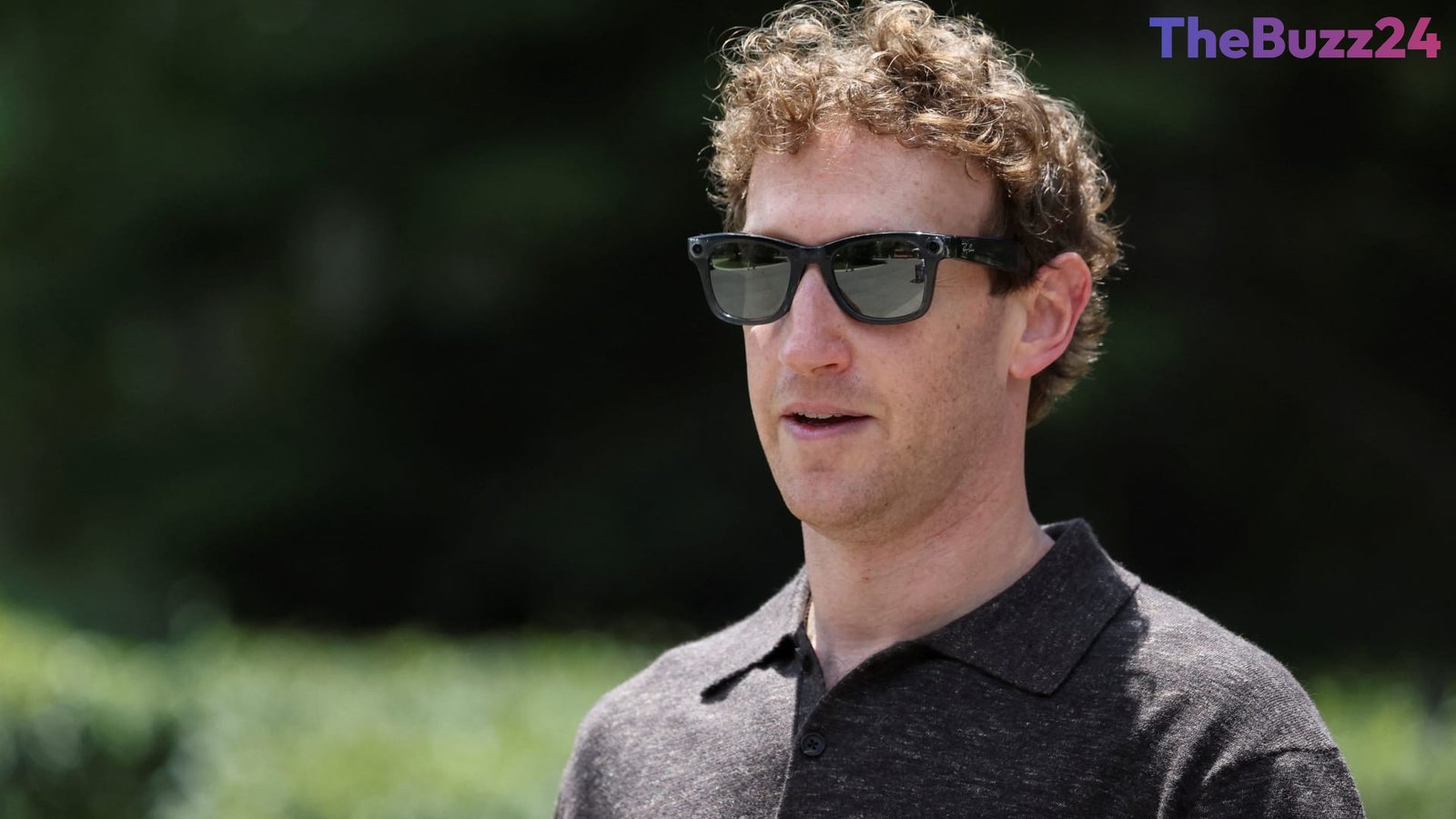
Meta CEO Mark Zuckerberg has publicly weighed in on the intensifying debate regarding artificial intelligence safety, signaling a preference for market-driven accountability over calls for industry-wide development slowdowns. Zuckerberg’s stance mirrors that of Nvidia CEO Jensen Huang, who has consistently argued that existing legal frameworks are sufficient to manage the risks associated with emerging technologies.
At the heart of the disagreement is whether AI labs should intentionally decelerate the advancement of model capabilities to ensure alignment with human values. While some industry leaders have advocated for a deliberate pause to prioritize safety, Zuckerberg contends that trust and alignment are becoming the primary competitive differentiators for AI agents. He emphasized that companies are naturally incentivized to prioritize safety to avoid significant liability, noting that Meta has previously delayed the release of its own technologies, such as Muse, when internal security assessments deemed it necessary.
This perspective stands in contrast to calls for government-mandated regulations or industry-wide pauses. Nvidia’s leadership has maintained that seeking new, restrictive laws is unnecessary, suggesting that the industry should focus on product reliability within current regulatory structures. As the debate continues, the industry remains divided between those who believe competitive pressure necessitates a coordinated slowdown and those who argue that market forces and internal responsibility are the most effective paths toward safe AI integration.
Key Takeaways
- Mark Zuckerberg argues that market incentives and liability risks are sufficient to drive AI safety without the need for industry-wide development slowdowns.
- Nvidia CEO Jensen Huang supports the view that existing laws are adequate, dismissing the need for new government regulations specifically targeting AI capabilities.
- The tech industry remains split on whether to prioritize rapid innovation or to implement a coordinated pause to ensure AI models remain aligned with human values.
Editor’s Analysis & Impact
The divergence in philosophy between major AI stakeholders highlights a critical tension in the tech sector: the balance between rapid innovation and risk mitigation. By aligning with Nvidia’s market-centric approach, Meta is signaling that it views safety not as an obstacle to progress, but as a core product feature that will ultimately determine market leadership. This stance suggests that the industry is moving toward a model where ‘trust’ is a quantifiable asset. However, the pushback from other leaders advocating for a slowdown reflects deep-seated concerns regarding the existential risks of unaligned AI. The future outlook suggests a fragmented regulatory landscape where companies will likely self-regulate to avoid litigation, while the broader industry continues to grapple with the competitive pressures that make a universal pause unlikely. The outcome of this debate will likely dictate the speed of AI adoption across global markets.
Frequently Asked Questions
Q: Why does Mark Zuckerberg believe AI labs will prioritize safety?
A: Zuckerberg argues that the threat of significant liability if models cause harm provides a strong market incentive for companies to ensure their products are safe and reliable.
Q: What is the main argument against slowing down AI development?
A: Proponents of continued development, such as Jensen Huang, argue that existing laws are already sufficient to govern product reliability and that additional government regulations are unnecessary.
AI Disclosure: This article is based on verified data and official reports. Our Team and AI have cross-referenced every financial detail with primary sources to ensure total accuracy.
More from this Category