Market Skepticism Mounts as Fed Chair Warsh Navigates Policy Uncertainty
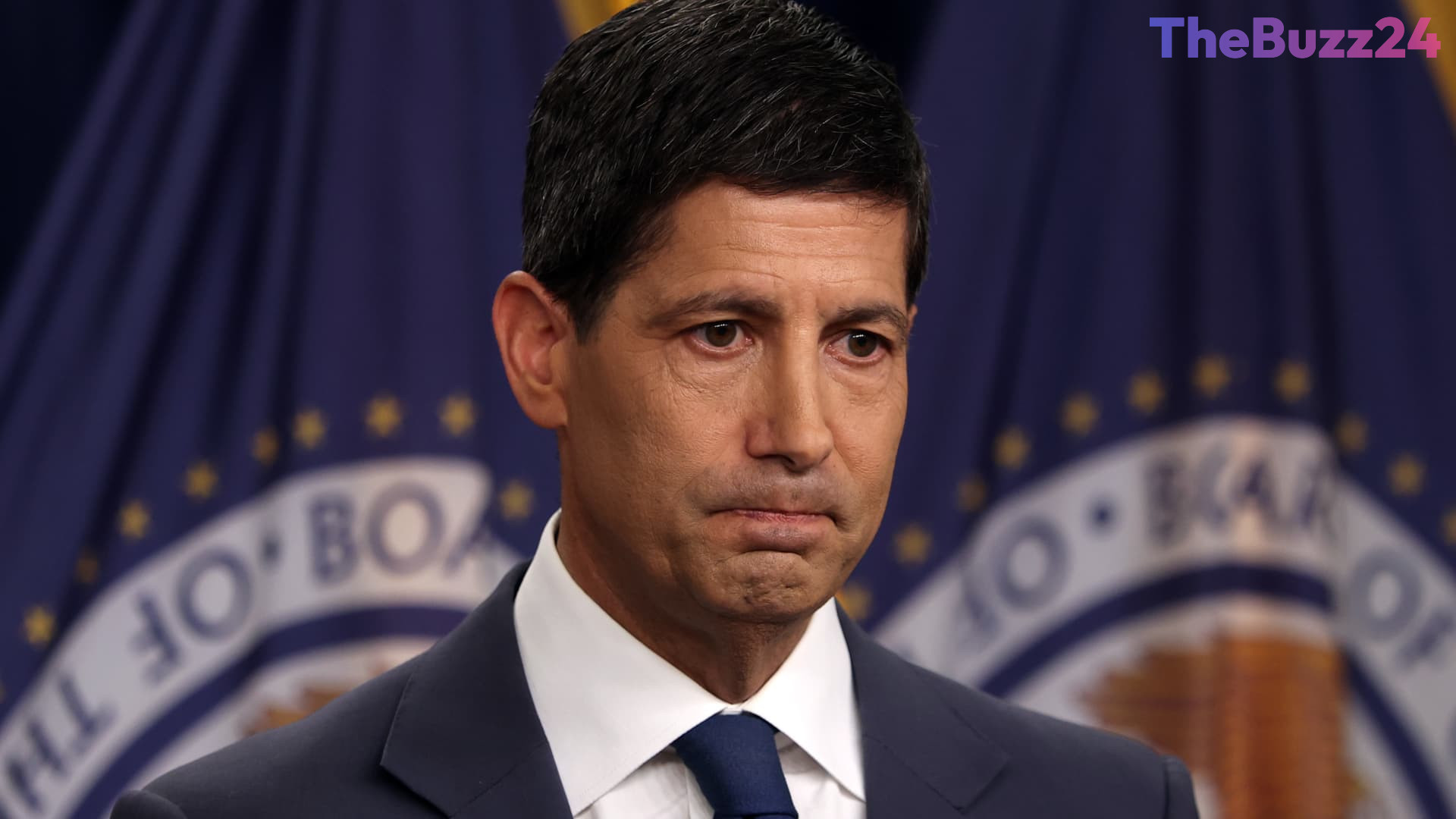
Federal Reserve Chairman Kevin Warsh is facing early scrutiny regarding his leadership and policy direction following a recent Federal Open Market Committee (FOMC) meeting. In a 9-3 vote, the committee opted to maintain interest rates at their current level of 3.5%-3.75%. The decision, coupled with Warsh’s subsequent press conference, triggered a notable reaction in financial markets, as investors lowered expectations for near-term rate hikes while simultaneously driving long-term Treasury yields to their highest levels since 2007.
Central to the growing tension is Warsh’s departure from the traditional practice of ‘forward guidance.’ By intentionally avoiding specific signals regarding future rate adjustments, Warsh aims to allow the Fed to react to market data in an unfiltered manner. However, this lack of transparency has left many market participants and economists confused. Critics argue that without clear communication on the conditions required for future rate hikes, the central bank risks appearing reactive rather than proactive in its fight against inflation, which has remained above the 2% target for over five years.
Further complicating the situation is Warsh’s ambiguous stance on the Personal Consumption Expenditures (PCE) price index, the Fed’s primary inflation gauge. With the index currently at 4.1%, Warsh’s suggestion that the Fed might reconsider its reliance on this metric in the future has fueled concerns about the institution’s long-term strategy. As three committee members dissented from the recent vote, the pressure is mounting on Warsh to unify the board and provide a clearer roadmap to maintain market stability and institutional credibility.
Key Takeaways
- The Federal Reserve voted 9-3 to keep interest rates steady, sparking a sharp rise in long-term Treasury yields.
- Chairman Kevin Warsh has abandoned traditional forward guidance, leading to market confusion and concerns over his communication strategy.
- Internal dissent within the FOMC and skepticism from major financial institutions suggest that Warsh faces significant challenges in establishing his credibility as a leader.
Editor’s Analysis & Impact
The current market reaction to Chairman Warsh’s leadership highlights a fundamental tension between the desire for data-driven flexibility and the market’s need for predictable policy signals. By dismantling the framework of forward guidance, Warsh is attempting to modernize the Fed’s approach, but he is doing so at the cost of immediate market confidence. The rise in long-term yields suggests that investors are pricing in a higher risk of future economic instability, fearing that the Fed may be forced into more aggressive, reactive measures later. If Warsh cannot bridge the gap between his policy philosophy and the market’s expectation for transparency, he risks a prolonged period of volatility. The internal dissent within the FOMC further suggests that his leadership style is being tested, and his ability to maintain a consensus will be critical in the coming months as inflation remains a persistent threat.
Frequently Asked Questions
Q: Why are investors concerned about the Fed's decision to keep rates unchanged?
A: Investors are concerned because inflation has remained above the 2% target for over 63 months. The lack of clear guidance from the Fed suggests to the market that the central bank may be falling behind the curve, potentially necessitating more drastic and disruptive rate hikes in the future.
Q: What is 'forward guidance' and why did the Fed stop using it?
A: Forward guidance is the practice of central banks signaling their future interest rate intentions to the public. Chairman Warsh has moved away from this, arguing that it makes the Fed inflexible and obscures the true signals coming from the market, preferring instead to react to economic data as it arrives.
AI Disclosure: This article is based on verified data and official reports. Our Team and AI have cross-referenced every financial detail with primary sources to ensure total accuracy.
More from this Category