Mass Grave of 117 Dogs Discovered at California ‘No-Kill’ Animal Sanctuary
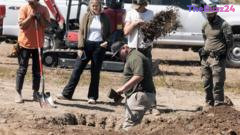
Authorities in Humboldt County, California, have uncovered the remains of 117 dogs at Miranda’s Rescue Animal Sanctuary in Fortuna, following an extensive investigation into allegations of animal cruelty and fraud. The discovery, which included the recovery of 600 dog collars and numerous skeletal remains, has sent shockwaves through the local community. Investigators utilized excavation techniques across the 50-acre property to locate mass graves, revealing a grim reality that contradicts the facility’s public designation as a ‘no-kill’ shelter.
Forensic analysis of the recovered remains has provided harrowing evidence of the animals’ final moments. X-ray examinations of 70 bodies revealed the presence of bullet fragments, leading officials to conclude that many of the dogs died from gunshot wounds. Furthermore, investigators identified a barn on the premises that is believed to have served as the site where the animals were killed. In addition to the 117 intact remains, search teams recovered 21 dog skulls and various other bone fragments, along with microchips that are currently being processed to identify the victims.
The investigation, which began in April after authorities received credible reports of felony abuse and conspiracy, highlights a massive discrepancy in the sanctuary’s records. Data indicates that while the facility took in approximately 900 animals since the beginning of 2025, only 116 adoptions were recorded, leaving over 700 animals unaccounted for. While the owner of the sanctuary has publicly maintained that the facility operates as a no-kill rescue and has denied the allegations, the physical evidence uncovered by the sheriff’s office suggests a far more disturbing operation.
As the investigation continues, law enforcement officials are working to process the vast amount of evidence collected from the site. While no criminal charges have been filed against the owner at this time, the sheriff’s office has stated that if the evidence confirms violations of animal cruelty or fraud laws, the case will be forwarded to the district attorney for prosecution. The community remains on edge as authorities continue to sift through the property to determine the full scope of the alleged crimes.
Key Takeaways
- Investigators recovered the remains of 117 dogs at a California sanctuary, with many showing clear evidence of gunshot wounds.
- The facility, which marketed itself as a 'no-kill' rescue, had over 700 animals unaccounted for out of 900 intake records since early 2025.
- Authorities discovered a barn on the property suspected to be the site of the killings, along with hundreds of dog collars and microchips.
Editor’s Analysis & Impact
The discovery at Miranda’s Rescue serves as a stark reminder of the lack of oversight in the private animal rescue sector. While ‘no-kill’ shelters provide a vital service, the absence of standardized, transparent reporting requirements allows for potential exploitation and abuse to go undetected for extended periods. This case will likely trigger a broader legislative push in California and beyond for stricter auditing of animal rescue facilities, including mandatory reporting of intake and outcome data. From an industry perspective, this incident damages public trust in independent rescues, potentially impacting donations and support for legitimate organizations. Future implications include increased regulatory scrutiny, potential licensing reforms, and a demand for more rigorous background checks for those operating animal welfare entities to prevent similar tragedies.
Frequently Asked Questions
Q: Have any criminal charges been filed against the owner of the sanctuary?
A: As of the latest reports, no criminal charges have been filed. The investigation is ongoing, and authorities are currently reviewing evidence to determine if charges are warranted.
Q: How did authorities discover the remains?
A: The investigation was launched following credible reports of animal cruelty and fraud. Authorities conducted excavations across the 50-acre property, which led to the discovery of mass graves and other forensic evidence.
AI Disclosure: This article is based on verified data and official reports. Our Team and AI have cross-referenced every financial detail with primary sources to ensure total accuracy.
More from this Category