Massive Maritime Evacuation Underway for 11,000 Seafarers Trapped in Persian Gulf
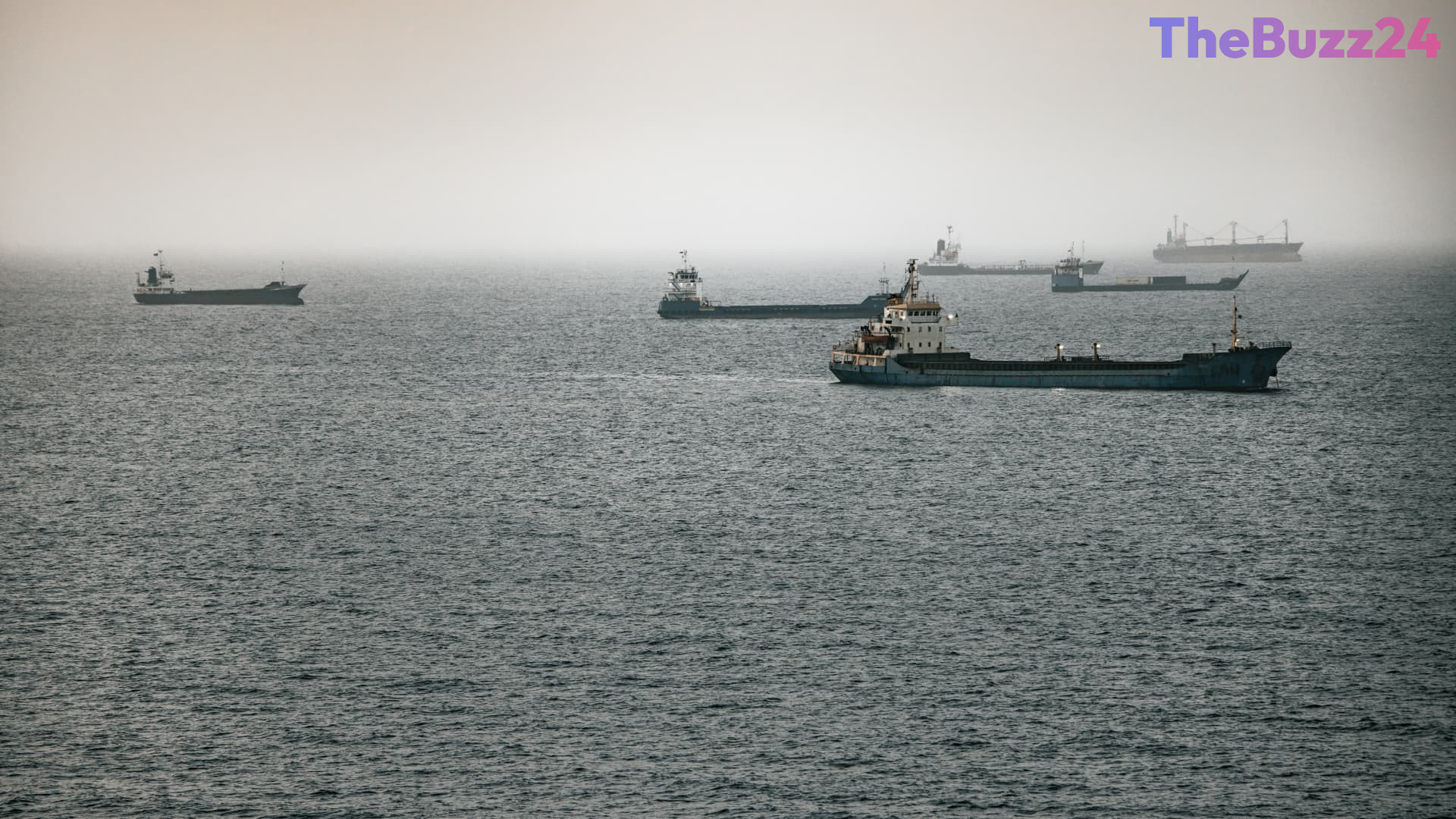
A large-scale humanitarian operation is currently underway to evacuate over 11,000 seafarers who have been stranded in the Persian Gulf following the outbreak of hostilities on February 28. The mission, coordinated by international maritime authorities, aims to safely extract personnel from tankers and cargo vessels that have been unable to navigate the region due to ongoing security threats and the mining of key shipping lanes.
To facilitate the safe passage of these individuals, authorities have established two temporary maritime corridors located north and south of the existing Traffic Separation Scheme. This phased approach is necessary because standard shipping routes remain compromised by extensive mining operations. The operation is being conducted through a collaborative effort involving Iran, Oman, the United States, and various regional coastal states, all of which have provided the safety guarantees required for transit.
While the signing of a memorandum of understanding between Iran and the United States has allowed for a gradual increase in vessel traffic, current transit levels remain significantly lower than pre-conflict averages. Officials are contacting individual vessels to provide specific departure instructions and transit schedules. This evacuation marks a critical step in addressing the humanitarian crisis that has unfolded since the disruption of one of the world’s most vital energy transit chokepoints.
Key Takeaways
- Over 11,000 seafarers are being evacuated from the Persian Gulf via two newly established, temporary maritime corridors.
- The operation is a collaborative effort involving the U.S., Iran, Oman, and other regional states to ensure safe passage through mined waters.
- Shipping traffic in the Strait of Hormuz is slowly recovering following a memorandum of understanding, though it remains well below pre-war levels.
Editor’s Analysis & Impact
The evacuation of 11,000 seafarers from the Persian Gulf represents a significant de-escalation effort in a region that serves as the jugular of global energy markets. The Strait of Hormuz, which historically handled roughly 20% of the world’s oil supply, has been effectively paralyzed since late February. While the establishment of safe corridors is a positive development for humanitarian and logistical reasons, the broader economic implications remain severe. The mining of these waters and the subsequent collapse of tanker traffic have already triggered historic supply chain disruptions. Moving forward, the success of this evacuation will serve as a litmus test for the durability of the recent U.S.-Iran memorandum. If these corridors remain secure, it could signal a slow normalization of trade, though global energy markets will likely remain volatile until full, unrestricted navigation is restored.
Frequently Asked Questions
Q: Why are the standard shipping lanes in the Strait of Hormuz currently unusable?
A: The standard Traffic Separation Scheme (TSS) is considered unsafe due to the presence of naval mines deployed during the conflict, necessitating the use of temporary, cleared corridors.
Q: How are ships being notified of their evacuation schedule?
A: Vessels are being contacted individually by maritime authorities to receive specific departure instructions and their designated transit day to ensure an orderly and safe exit.
AI Disclosure: This article is based on verified data and official reports. Our Team and AI have cross-referenced every financial detail with primary sources to ensure total accuracy.
More from this Category