Media Giant in Limbo: Warner Bros. Discovery’s Future Uncertain Amid Stalled Paramount Merger
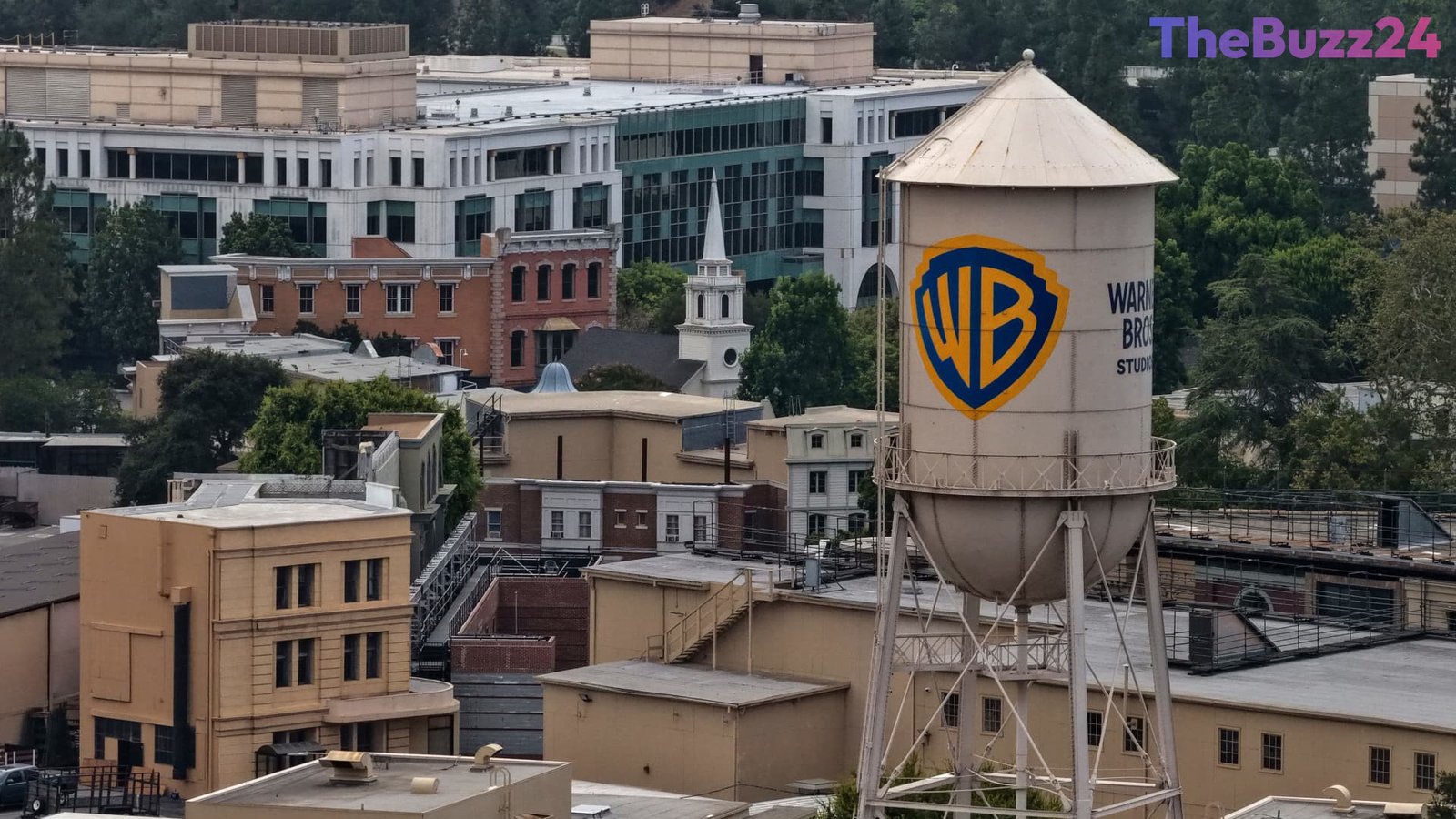
Warner Bros. Discovery (WBD) finds itself in a prolonged state of uncertainty, with its proposed acquisition by Paramount Skydance facing significant delays. This limbo, stretching over a year, began with WBD’s initial plans to split the company, evolved through a tense sale process, and now centers on antitrust challenges that have halted the merger’s progression.
The primary obstacle to the deal stems from a coalition of states, led by California Attorney General Rob Bonta, who filed to block the acquisition on antitrust grounds. While preliminary settlement discussions between the California AG and Paramount reportedly faltered, the regulatory scrutiny casts a long shadow over WBD’s strategic direction. Despite being able to operate its business independently under interim covenants, the company is constrained from major mergers and acquisitions, limiting its agility in a rapidly evolving media landscape. This situation is particularly challenging as WBD’s streaming growth, largely driven by international expansion of HBO Max, is projected to slow.
Industry observers note that the proposed $110 billion sale, which includes a ‘ticking fee’ if regulatory approval extends beyond September, represents a substantial opportunity for WBD. However, the ongoing delay raises critical questions about the value of the acquisition if it eventually proceeds, and the viability of WBD’s standalone operations if the deal collapses. Analysts suggest that both Paramount+ and HBO Max, currently operating as subscale streaming services, would face significant competitive hurdles against larger players like Disney, Amazon, and Netflix if they fail to combine.
Despite the strategic paralysis regarding major M&A, WBD has continued to leverage its extensive content library through licensing deals, a lucrative model that has seen HBO titles like “Sex and the City” and “Band of Brothers” licensed to other platforms. While the broader industry explores new streaming business models, such as content bundling, WBD’s uncertain future makes it a less attractive partner for new agreements. The longer the merger remains in flux, the more time competitors have to solidify their positions, potentially leaving WBD and Paramount’s streaming services at a disadvantage if they cannot integrate.
Key Takeaways
- Warner Bros. Discovery's proposed merger with Paramount Skydance is significantly delayed due to antitrust concerns raised by state attorneys general, led by California.
- The prolonged uncertainty limits WBD's strategic options, particularly in major M&A, and poses challenges for its streaming growth and competitive positioning in the evolving media industry.
- If the merger fails, both WBD and Paramount's streaming services (HBO Max and Paramount+) face an uphill battle to compete individually against larger, more established platforms.
Editor’s Analysis & Impact
The protracted delay in the Warner Bros. Discovery-Paramount Skydance merger highlights a growing trend of increased antitrust scrutiny, particularly from state-level regulators, which could set a precedent for future large-scale corporate transactions. For WBD, this limbo creates significant operational and strategic challenges, hindering its ability to adapt swiftly in a dynamic media environment characterized by intense competition and evolving streaming models. Should the deal ultimately fall through, both companies would face immense pressure to find alternative paths to scale their streaming services, potentially leading to further industry consolidation or divestitures of key assets. The situation underscores the critical need for media companies to achieve scale and diversified revenue streams to remain competitive, and the increasing difficulty of doing so through traditional M&A in the current regulatory climate.
Frequently Asked Questions
Q: Why is the Warner Bros. Discovery-Paramount Skydance merger delayed?
A: The merger is delayed primarily due to antitrust concerns raised by a coalition of states, led by California Attorney General Rob Bonta, who filed to block the deal. Preliminary settlement talks have reportedly stalled, prolonging the regulatory review process.
Q: What are the implications for Warner Bros. Discovery if the merger doesn't happen?
A: If the merger falls through, Warner Bros. Discovery would likely face significant challenges. Its streaming service, HBO Max, would continue to operate as a standalone platform, potentially struggling to compete with larger rivals like Netflix and Disney+ without the combined scale and resources of Paramount+. This could necessitate a re-evaluation of its long-term strategy, including potential asset sales or new partnerships.
Q: Can Warner Bros. Discovery still operate and make deals while the merger is pending?
A: Yes, under interim operating covenants laid out in the merger agreement, Warner Bros. Discovery can continue to run its business as an independent entity. It can ink licensing deals and other types of agreements or partnerships with media peers, but it is restricted from engaging in major mergers and acquisitions without Paramount's approval.
AI Disclosure: This article is based on verified data and official reports. Our Team and AI have cross-referenced every financial detail with primary sources to ensure total accuracy.
More from this Category