Medicare Launches Landmark Bridge Program to Cover Obesity Drugs for Seniors
In a historic shift for federal healthcare benefits, eligible Medicare beneficiaries can now access highly sought-after GLP-1 weight-loss medications for a flat copay of just $50 per month. This unprecedented access is made possible through a newly launched, temporary initiative called the Bridge demonstration program. The rollout marks the first time Medicare is covering medications specifically prescribed for obesity, effectively bypassing a long-standing federal ban on such coverage. The move is expected to open the doors to millions of older Americans who previously found these highly effective but expensive treatments financially out of reach.
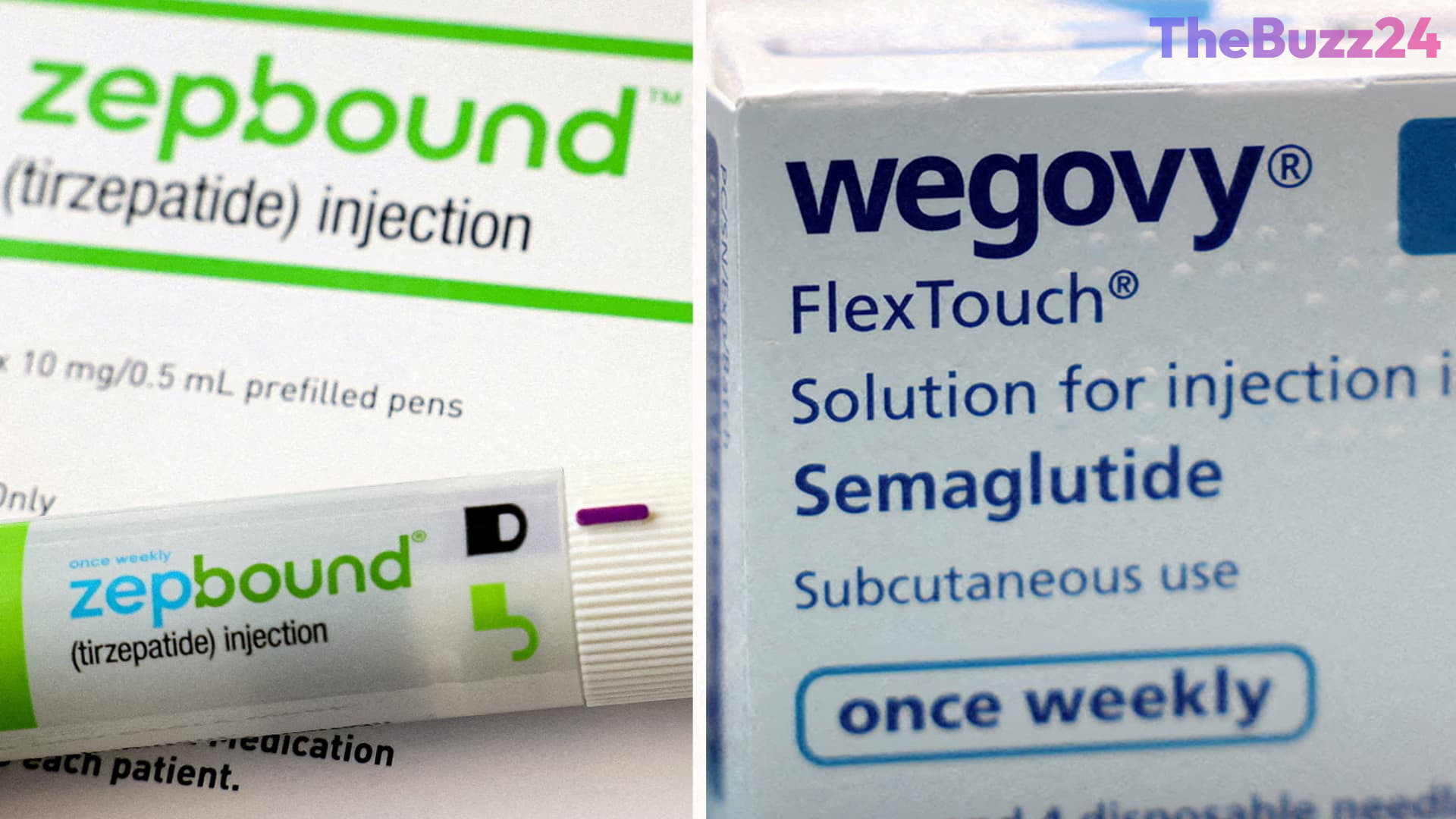
Under the Bridge program, which is funded by taxpayer dollars and patient copays rather than private insurers, eligibility is determined by clinical criteria rather than traditional insurance plan approvals. Eligible seniors include those with a body mass index (BMI) of 35 or higher, as well as individuals with lower BMIs who suffer from at least one related condition, such as prediabetes, uncontrolled hypertension, or cardiovascular issues. To obtain the drugs—which include Novo Nordisk’s Wegovy and Eli Lilly’s Zepbound and Foundayo—healthcare providers must submit prior authorization requests directly to Humana, the contracted administrator for the program. Notably, the $50 copay does not count toward a patient’s Part D deductible or the annual out-of-pocket prescription cap.
The program represents a massive commercial opportunity for pharmaceutical giants Eli Lilly and Novo Nordisk, who currently dominate the booming weight-loss drug market. Industry analysts estimate the initiative could generate over a billion dollars in annual revenue for each manufacturer, particularly as oral formulations like Novo’s Wegovy pill and Lilly’s Foundayo gain traction among seniors who prefer daily tablets over weekly injections. However, the sudden influx of demand is expected to strain healthcare infrastructure. Medical professionals warn that clinics and pharmacies may face initial administrative bottlenecks due to the high volume of prior authorization requests, potentially delaying immediate access for some patients.
Despite the excitement, a major cloud of uncertainty hangs over the program’s long-term viability. The Bridge program is currently scheduled to expire at the end of 2027. While the Centers for Medicare & Medicaid Services (CMS) originally envisioned transitioning patients to a voluntary, insurer-led program called Balance, major private insurers have resisted participating due to cost concerns. If the program expires without a permanent legislative solution—such as the bipartisan Treat and Reduce Obesity Act—millions of seniors risk losing coverage for therapies that medical experts widely agree must be taken long-term to prevent weight regain.
Key Takeaways
- Medicare's new Bridge program allows eligible seniors to access GLP-1 obesity medications for a flat $50 monthly copay.
- The temporary program bypasses a federal ban on Medicare coverage for weight-loss drugs but is currently set to expire at the end of 2027.
- The initiative could generate billions in revenue for Eli Lilly and Novo Nordisk, though clinics and pharmacies face potential administrative strain from surging demand.
Editor’s Analysis & Impact
The introduction of Medicare coverage for obesity drugs represents a watershed moment for the pharmaceutical industry and public health policy. By establishing the Bridge program, the federal government is acknowledging obesity as a chronic disease requiring medical intervention, which could pressure private employers and commercial insurers to expand their own coverage. For Eli Lilly and Novo Nordisk, this opens up a massive, previously untapped demographic of 15 to 20 million eligible seniors, accelerating the competitive race between their injectable and oral GLP-1 offerings. However, the temporary nature of the program highlights a critical systemic risk. If Congress does not pass the Treat and Reduce Obesity Act to permanently lift the Medicare coverage ban before the program expires in 2027, millions of patients could face a devastating ‘coverage cliff,’ leading to widespread treatment discontinuation and subsequent weight regain.
Frequently Asked Questions
Q: Who is eligible for obesity drug coverage under the Medicare Bridge program?
A: Medicare beneficiaries with Part D coverage are eligible if they have a body mass index (BMI) of 35 or higher, or a lower BMI accompanied by at least one related health condition, such as prediabetes, high blood pressure, or cardiovascular disease.
Q: Which weight-loss medications are covered under this program?
A: Covered GLP-1 medications include Novo Nordisk's Wegovy (both injection and tablet forms) and Eli Lilly's Zepbound (KwikPen formulation) and Foundayo tablet.
Q: What happens to patients when the Bridge program ends in 2027?
A: Currently, the program is temporary. Unless the federal government extends it, transitions patients to a permanent program, or passes legislation to lift the Medicare ban on obesity drugs, coverage could expire, leaving patients to pay out-of-pocket or discontinue treatment.
AI Disclosure: This article is based on verified data and official reports. Our Team and AI have cross-referenced every financial detail with primary sources to ensure total accuracy.
More from this Category