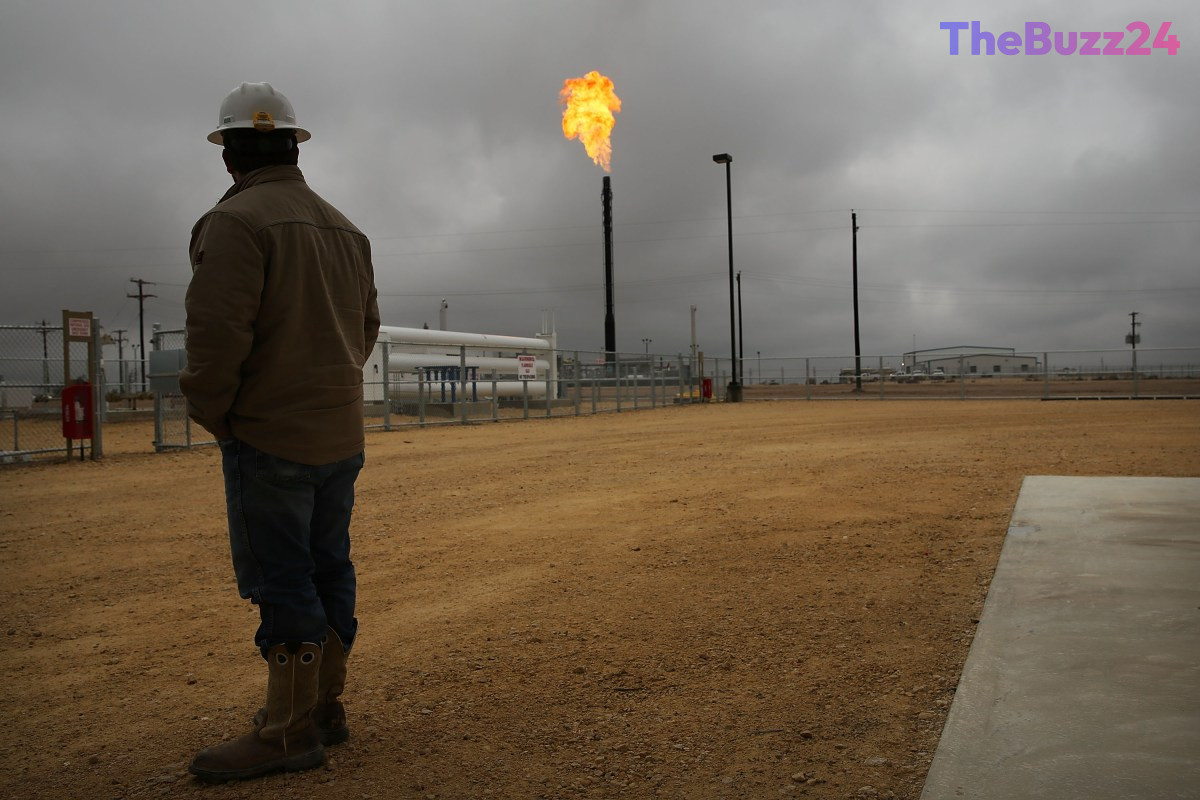
Meta Exits Renewable Energy Initiative Amidst Massive Natural Gas Expansion
Meta has officially ended its decade-long membership with the RE100, a prominent corporate initiative dedicated to transitioning global businesses to 100% renewable energy. The departure comes at a critical juncture for the tech giant, which has significantly ramped up its investment in natural gas infrastructure to meet the surging power demands of its artificial intelligence data centers.
Over the past year, Meta has funded the development of at least a dozen natural gas power plants. Among these is a massive project in Louisiana, where the company is backing ten plants capable of generating 7.5 gigawatts of electricity—a capacity exceeding the total energy consumption of the entire state of South Dakota. While Meta maintains that it remains committed to matching its operational electricity usage with clean energy, the reliance on fossil fuels has drawn scrutiny regarding the environmental impact of its rapid AI growth.
The exit from RE100 coincides with the organization’s implementation of more rigorous reporting standards for its members. While Meta continues to utilize environmental attribute certificates to claim renewable status, critics argue that this method of ‘annual matching’ fails to account for the real-time, 24/7 power requirements of modern data centers. Unlike some industry peers who are moving toward hourly matching and battery-integrated renewable solutions, Meta’s strategy relies heavily on fossil fuel-based generation to ensure consistent uptime for its computing infrastructure.
Despite the shift in its membership status, Meta asserts that its commitment to sustainability remains intact. However, the environmental cost of its current trajectory is significant, as natural gas combustion releases nitrogen oxides, sulfur oxides, and particulate matter, all of which are linked to various public health concerns. As the tech industry grapples with the energy-intensive nature of AI, Meta’s pivot highlights the growing tension between the race for computational dominance and the pursuit of genuine carbon neutrality.
Key Takeaways
- Meta has exited the RE100 renewable energy initiative after ten years of membership.
- The company is aggressively funding natural gas power plants to support the high energy demands of its AI data centers.
- Meta's reliance on 'annual matching' and environmental certificates is being contrasted with more stringent, hourly-based renewable energy strategies adopted by other tech firms.
Editor’s Analysis & Impact
Meta’s departure from the RE100 signals a pragmatic, albeit controversial, shift in how major tech firms prioritize energy reliability over strict sustainability metrics. As AI development creates an unprecedented demand for consistent, high-capacity power, the limitations of current renewable infrastructure—specifically the intermittency of solar and wind—are forcing companies to reconsider fossil fuel reliance. The industry is currently at a crossroads: either invest heavily in grid-scale battery storage and advanced nuclear, or revert to natural gas to bridge the gap. Meta’s decision to prioritize gas suggests that the ‘AI arms race’ is currently taking precedence over corporate climate pledges. Moving forward, we can expect increased regulatory pressure and public scrutiny regarding how ‘clean energy’ is defined, particularly as data centers become some of the largest single-point consumers of electricity globally.
Frequently Asked Questions
Q: Why did Meta leave the RE100 initiative?
A: While Meta did not provide a specific reason, the departure follows the organization's move to enforce more rigorous reporting standards and comes as Meta has significantly increased its investment in natural gas power plants.
Q: How does Meta claim to be 100% renewable while building gas plants?
A: Meta utilizes environmental attribute certificates, which allow the company to offset its total annual electricity consumption by investing in renewable energy projects elsewhere, even if the data centers themselves are powered by fossil fuels.
AI Disclosure: This article is based on verified data and official reports. Our Team and AI have cross-referenced every financial detail with primary sources to ensure total accuracy.
More from this Category