Meta Partners with Plastics Innovator MacroCycle to Boost Recycling and Offset AI’s Carbon Footprint
In a significant move to address the environmental impact of its burgeoning artificial intelligence operations, Meta has entered into a groundbreaking agreement with plastics recycling startup MacroCycle. This partnership aims to accelerate the development of MacroCycle’s first commercial recycling facility, marking Meta’s first foray into purchasing environmental attribute credits.
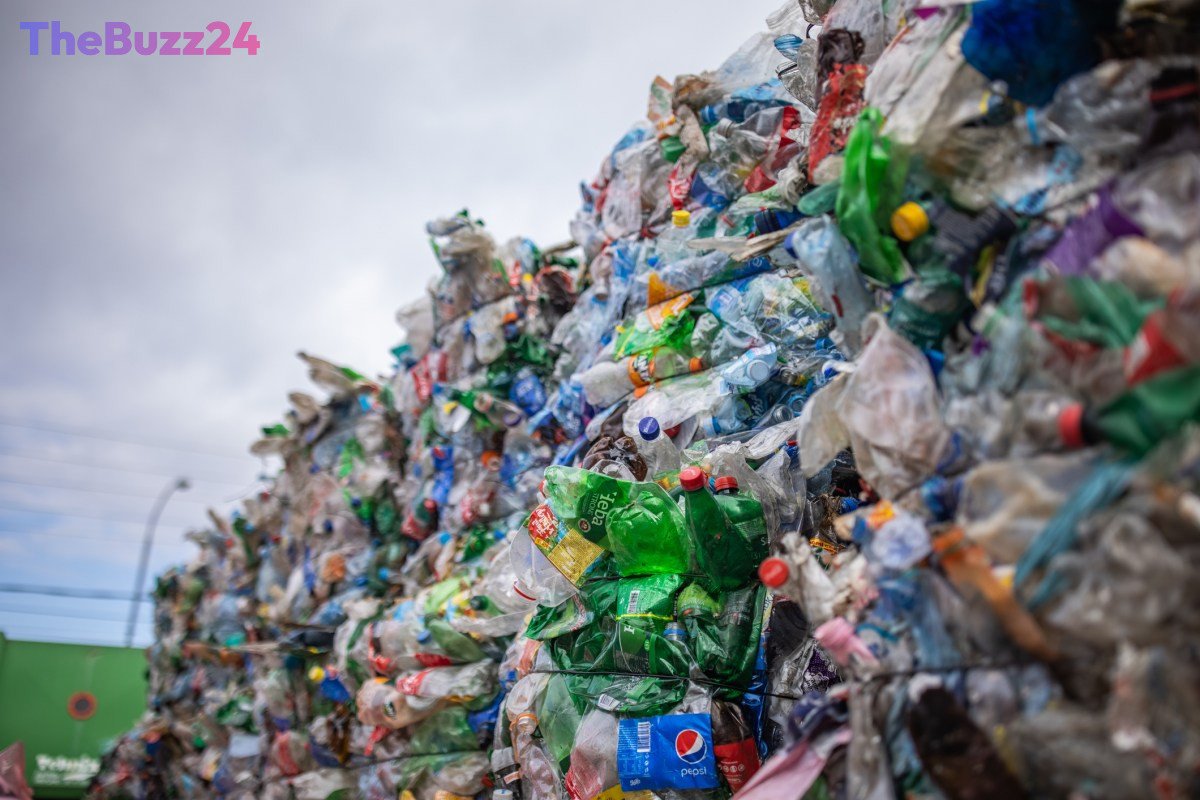
The collaboration will see Meta financially support MacroCycle in exchange for credits representing the reduction in carbon emissions achieved through the startup’s innovative recycling process. MacroCycle, based in Cambridge, Massachusetts, has developed a proprietary method for processing plastic waste, particularly PET, that effectively removes contaminants. This purification process results in recycled material that is virtually indistinguishable from virgin plastic, while reportedly generating 80% fewer carbon emissions compared to the production of new PET.
This deal provides MacroCycle with a crucial revenue stream to fund the construction of its new plant in the U.S., which is projected to produce 5,000 metric tons of recycled plastic annually. Beyond the immediate financial benefit, Meta’s involvement signals a broader strategic interest in fostering a market for low-carbon materials. As the tech giant’s AI infrastructure expands, so does its carbon footprint, making initiatives like this vital for meeting its sustainability goals. The recycled materials could eventually be integrated into Meta’s own supply chain for packaging and hardware.
MacroCycle’s technology focuses on dissolving and purifying PET from various waste streams, including textiles, which currently have a very low recycling rate. The process creates ring-like structures called macrocycles, from which the company derives its name. By using solvents instead of heat, MacroCycle achieves significant energy savings, aiming to produce recycled textiles domestically at competitive prices. This could revitalize the U.S. textile manufacturing sector, which has seen a substantial decline over the past decades.
Key Takeaways
- Meta has partnered with plastics recycling startup MacroCycle to purchase environmental attribute credits, supporting the construction of MacroCycle's first commercial plant.
- MacroCycle's technology offers a novel way to recycle PET plastic, producing material comparable to virgin plastic with significantly lower carbon emissions.
- The deal allows Meta to offset its growing carbon footprint, particularly from AI operations, and potentially integrate recycled materials into its supply chain.
Editor’s Analysis & Impact
This partnership between Meta and MacroCycle highlights a growing trend of major technology companies seeking innovative solutions to mitigate their environmental impact, especially concerning the energy-intensive AI sector. By investing in advanced recycling technologies and purchasing environmental credits, Meta is not only addressing its carbon footprint but also actively contributing to the development of a circular economy for plastics. This could set a precedent for other corporations looking to enhance their sustainability credentials and create demand for recycled materials. MacroCycle, in turn, gains crucial funding and market validation, positioning itself for future expansion and potentially disrupting the traditional plastics industry.
Frequently Asked Questions
Q: What is MacroCycle's core technology?
A: MacroCycle utilizes a solvent-based process to dissolve and purify PET plastic waste, removing contaminants and reforming the polymers into high-quality recycled material that is indistinguishable from virgin plastic. This method reportedly uses less energy and generates fewer carbon emissions than traditional recycling or virgin plastic production.
Q: How does this deal benefit Meta?
A: The agreement allows Meta to purchase environmental attribute credits, which helps Meta count the reduction in carbon emissions towards its own sustainability goals, particularly those related to its expanding AI infrastructure. It also signals Meta's interest in developing a market for low-carbon materials that could eventually be used in its own operations.
Q: What is the significance of recycling textiles for MacroCycle?
A: MacroCycle's process can handle PET found in textiles, a material with a very low recycling rate. By enabling the production of high-quality recycled textile materials domestically, the company aims to compete with overseas suppliers and potentially revitalize the U.S. textile manufacturing industry.
AI Disclosure: This article is based on verified data and official reports. Our Team and AI have cross-referenced every financial detail with primary sources to ensure total accuracy.
More from this Category