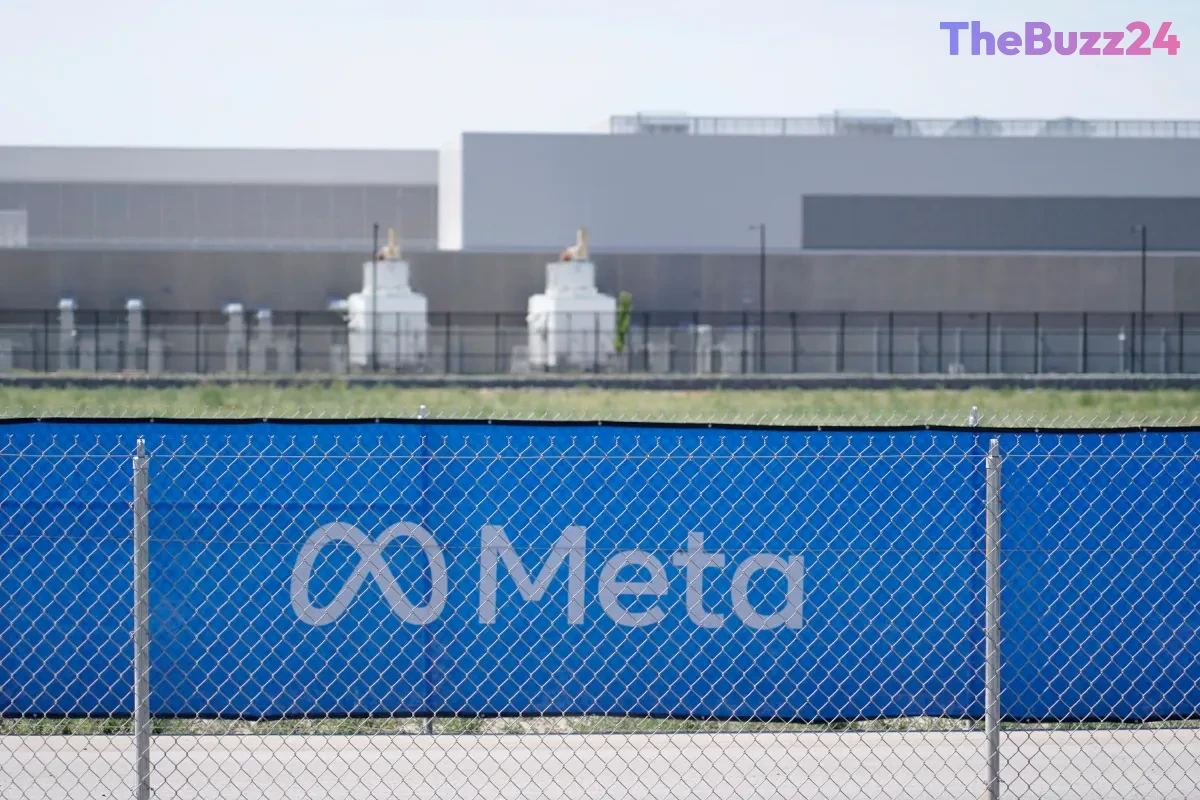
Meta Retreats from 2030 Net-Zero Pledge Amid AI Expansion Push
Meta Platforms is re-evaluating its ambitious goal to achieve net-zero emissions by 2030, citing the rapid and unforeseen demands of its burgeoning artificial intelligence infrastructure. The company’s latest sustainability report indicates a need to adjust timelines and interim milestones to reflect current operational realities, without committing to a new target date.
This strategic shift comes as Meta’s greenhouse gas emissions have more than doubled over the past four years. Notably, its data center emissions surged over twelve-fold between 2024 and 2025, even before its major Hyperion data center in Louisiana, which relies on natural gas, is fully operational. This increased reliance on fossil fuels led to Meta’s departure from RE100, a global corporate renewable energy initiative, in July, after a decade of participation. The initiative had begun requiring more rigorous reporting standards for renewable energy targets.
While Meta attributes the re-evaluation to the unprecedented pace and scale of AI infrastructure development, the decision to heavily invest in natural gas for power, and to aggressively pursue AI, were conscious corporate choices. CEO Mark Zuckerberg remains optimistic about improving the energy efficiency of AI models like Muse. However, critics point out that natural gas power plants, while offering constant operation, are not ideally suited for the fluctuating energy demands of AI data centers, suggesting that alternative solutions like grid connections with battery buffers or emerging long-duration energy storage and geothermal technologies (from companies like Fervo, Mazama, and Quaise) might offer more sustainable pathways.
Meta’s decision risks undermining broader industry efforts towards sustainability and eroding public trust in voluntary corporate climate commitments. Coming at a time when public perception of AI and data centers is already sensitive to environmental concerns, this move could inadvertently pave the way for stricter regulatory oversight across the technology sector, impacting not just Meta but its competitors as well.
Key Takeaways
- Meta is re-evaluating its 2030 net-zero emissions goal, citing the rapid expansion of AI infrastructure as a primary challenge.
- The company's greenhouse gas emissions have significantly increased, partly due to investments in natural gas-powered data centers, leading to its departure from the RE100 initiative.
- This strategic shift raises concerns about the credibility of voluntary corporate climate pledges and the environmental impact of the burgeoning AI industry.
Editor’s Analysis & Impact
Meta’s decision to reconsider its net-zero target marks a significant moment for the tech industry, highlighting the growing tension between rapid AI development and environmental sustainability. This move could prompt other companies to re-evaluate their own climate commitments, potentially slowing the collective progress towards decarbonization if growth is prioritized over green initiatives. For the market, it signals increased operational costs associated with AI, which may not always align with sustainability goals. Looking ahead, this could accelerate innovation in energy-efficient AI hardware and cleaner data center power solutions, or conversely, lead to a rollback of voluntary pledges across the sector. Broader implications include potential calls for stricter regulatory frameworks for data center emissions, as public and investor scrutiny on corporate environmental responsibility intensifies.
Frequently Asked Questions
Q: How has Meta's emissions profile changed recently?
A: Despite past clean energy procurement, Meta's greenhouse gas emissions have more than doubled in the last four years, with data center emissions increasing over twelve-fold between 2024 and 2025, partly due to investments in natural gas facilities like the Hyperion data center.
Q: What are the broader implications of Meta's decision for the tech industry?
A: This move could erode public and industry trust in voluntary corporate sustainability pledges, potentially leading to calls for more stringent regulations on emissions for data centers and AI infrastructure across the technology sector, as well as influencing how other companies approach their own climate targets.
AI Disclosure: This article is based on verified data and official reports. Our Team and AI have cross-referenced every financial detail with primary sources to ensure total accuracy.
More from this Category