Michael Burry Questions SpaceX Valuation but Declines to Short the Stock
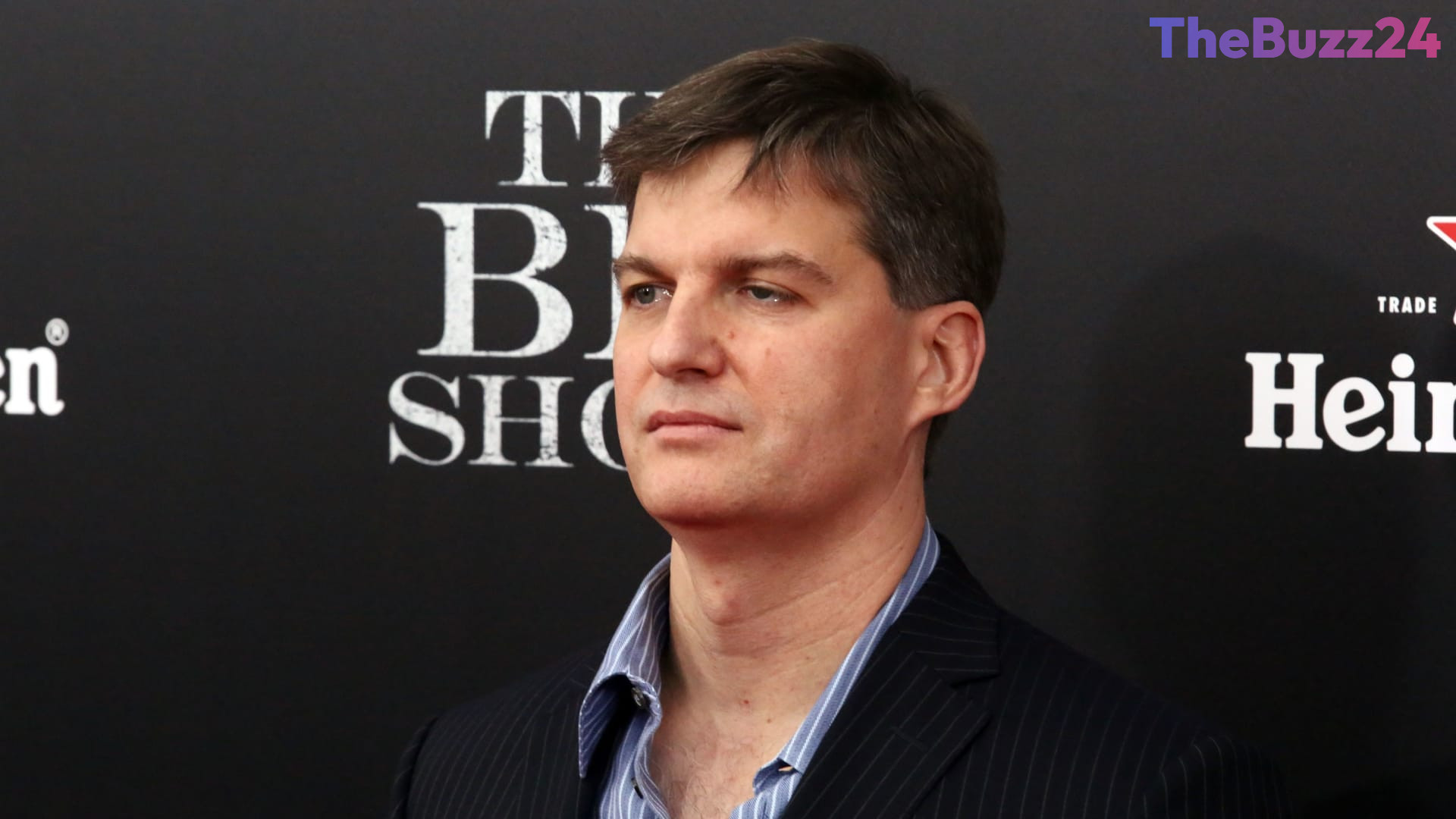
Renowned investor Michael Burry, famously known for his prescient bet against the U.S. housing market prior to the 2008 financial crisis, has publicly addressed his stance on SpaceX. Despite expressing skepticism regarding the company’s massive market valuation, which has recently climbed toward the $3 trillion mark, Burry confirmed that he currently holds no position in the aerospace giant, neither long nor short.
Burry noted that while he explored potential bearish strategies, the cost of put options currently available on the market remains prohibitively high. He specifically cited the pricing of various strike prices and expiration dates, suggesting that the premiums required to bet against the stock do not offer a favorable risk-reward profile at this time. He expressed a preference to wait for volatility to subside rather than paying the current market price for downside protection.
Beyond the mechanics of the trade, Burry offered a critical assessment of SpaceX’s fundamental business model. He characterized the company as a collection of niche operations—spanning satellite telecommunications and launch services—that currently generate less than $20 billion in annual revenue. He contrasted this with the company’s astronomical market capitalization, which he noted has rapidly eclipsed the value of established conglomerates like Berkshire Hathaway, an entity built over decades by legendary investors.
This commentary arrives amidst a broader market debate regarding the sustainability of current valuations for high-growth technology and space-sector firms. Burry has consistently warned that the current market fervor, particularly surrounding artificial intelligence and momentum-driven assets, mirrors the speculative excesses seen during the dot-com bubble. He continues to urge investors to exercise caution and avoid succumbing to market greed.
Key Takeaways
- Michael Burry confirmed he has no financial position in SpaceX, citing expensive option premiums as the primary barrier to shorting the stock.
- Burry criticized SpaceX's nearly $3 trillion valuation, arguing that its annual revenue of under $20 billion does not justify its current market cap.
- The investor warned that the current market enthusiasm for high-growth tech stocks resembles the speculative environment of the late 1990s dot-com bubble.
Editor’s Analysis & Impact
Michael Burry’s skepticism highlights a growing divide between retail-driven momentum and traditional value-based fundamental analysis. By comparing SpaceX’s valuation to Berkshire Hathaway, Burry is pointing to a potential disconnect in how modern markets price ‘future potential’ versus ‘realized earnings.’ The market impact of such commentary is significant, as it serves as a reality check for investors caught in the euphoria of recent high-profile IPOs. If SpaceX’s valuation continues to decouple from its revenue growth, it could become a focal point for a broader market correction. The future outlook remains precarious; if volatility in the options market decreases as Burry hopes, we may see institutional investors begin to take more aggressive bearish positions, potentially leading to increased price discovery and volatility for the stock.
Frequently Asked Questions
Q: Does Michael Burry currently hold a short position against SpaceX?
A: No, Michael Burry explicitly stated that he is not involved with SpaceX, holding neither long nor short positions.
Q: Why does Michael Burry think SpaceX is overvalued?
A: Burry argues that the company's market capitalization is disproportionate to its annual revenue of less than $20 billion, noting that it has surpassed the value of long-standing, highly profitable companies like Berkshire Hathaway.
AI Disclosure: This article is based on verified data and official reports. Our Team and AI have cross-referenced every financial detail with primary sources to ensure total accuracy.
More from this Category