Michelin-Starred Seoul Eatery Fined Over Unapproved Ant Garnish and Heavy Metal Concerns
Evett, a prestigious two-Michelin-starred restaurant located in South Korea’s capital, Seoul, has faced significant legal repercussions for incorporating unapproved ants into its dishes. The establishment’s owner was recently handed a fine of 15 million won (approximately $10,965 USD), while the company overseeing the restaurant incurred a separate penalty of 10 million won for violating the nation’s stringent Food Sanitation Act.
The core of the legal issue stems from the fact that ants are not among the ten specific insect species officially sanctioned for human consumption within South Korea. While the approved list includes items like grasshoppers and certain silkworms, the use of ants is explicitly prohibited. Prosecutors had initially sought a more severe sentence, including a one-year prison term for the owner, but the court considered the owner’s admission of guilt and lack of prior criminal record. However, the presiding judge emphasized that the culpability was not light, particularly after tests revealed the presence of heavy metals exceeding safety standards in the ants themselves, compounding the food standard violation.
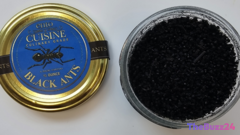
The unauthorized culinary practice at Evett came to light following an investigation by the Ministry of Food and Drug Safety, prompted by online reviews featuring photographs of the unusual garnish. It was determined that the owner had been sprinkling three to five ants on select dishes, primarily sorbets, to impart a ‘sour taste’ over a period spanning nearly four years. This extensive use amounted to an estimated 49,000 ants, predominantly imported from the United States, with some originating from Thailand.
Despite the owner’s defense that ants constituted only a ‘small part’ of the restaurant’s 15-course tasting menu and that diners were offered alternative toppings, the court’s decision underscores South Korea’s strict adherence to food safety regulations. The incident also highlights a cultural contrast, as ants are indeed consumed and even prized as a delicacy in various cultures across Asia, Africa, and Latin America, including specific weaver ant species in Thai and Cambodian cuisine, and queen ants in Colombia.
Key Takeaways
- Michelin-starred Evett in Seoul was fined 25 million won for using unapproved ants as a garnish.
- The ants were found to contain heavy metals exceeding safety standards, increasing the severity of the violation.
- South Korea's Food Sanitation Act prohibits the use of ants for consumption, as they are not on the country's approved list of edible insects.
Editor’s Analysis & Impact
This incident involving a high-profile Michelin-starred restaurant could send ripples through the fine dining industry, particularly for establishments known for experimental or globally-inspired cuisine. It highlights the critical importance of rigorous adherence to local food safety regulations, even when ingredients are considered delicacies in other cultures. The detection of heavy metals in the ants adds a serious health dimension, potentially leading to increased scrutiny of exotic food imports and novel ingredients across the board. For consumers, it reinforces the role of regulatory bodies in safeguarding public health. In the future, restaurants might face greater pressure to transparently source and verify the safety of all ingredients, potentially leading to more standardized global guidelines for non-traditional food items to prevent similar issues.
Frequently Asked Questions
Q: Why were ants prohibited as a food garnish in South Korea?
A: South Korea maintains a specific list of 10 insect species approved for human consumption, and ants are not included on this official list, making their use in food illegal under the Food Sanitation Act.
Q: What was the total fine imposed on the restaurant and its owner?
A: The owner of Evett was fined 15 million won, and the company operating the restaurant received a separate fine of 10 million won, totaling 25 million won (approximately $18,275 USD or £13,573 GBP).
Q: Were there additional concerns beyond the unapproved use of ants?
A: Yes, tests conducted on the ants revealed that they contained heavy metals exceeding safety standards. This finding significantly increased the culpability in the court's judgment, compounding the violation of food standards.
AI Disclosure: This article is based on verified data and official reports. Our Team and AI have cross-referenced every financial detail with primary sources to ensure total accuracy.
More from this Category