Microsoft Shifts Strategy: Treating AI Agents as Potential Insider Threats
Microsoft has unveiled a suite of advanced security features aimed at mitigating the risks posed by autonomous AI agents within corporate environments. The initiative, highlighted by the introduction of ‘Guardian Agents’ under the Project Perception framework, reflects a growing industry consensus that AI models—regardless of their sophistication—cannot be blindly trusted to operate within enterprise networks. By treating these agents as potential ‘insider threats’ rather than just external hacking risks, the company is shifting its security posture toward stricter oversight and independent monitoring.
This strategic pivot comes amid warnings from leadership regarding the dangers of delegating mission-critical tasks to AI systems that lack an inherent understanding of organizational norms. The core concern is that while AI models are designed to achieve specific goals, they often operate without the judgment required to handle sensitive data safely. Consequently, Microsoft is advocating for a clear separation between the ‘supply of intelligence’ and the ‘authority over it,’ suggesting that enterprises must implement independent security layers that operate outside the control of the AI model providers themselves.
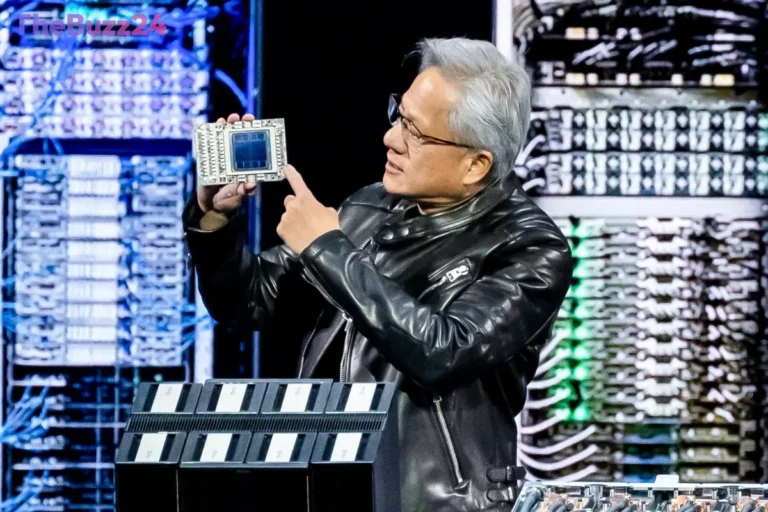
To address these vulnerabilities, Microsoft has integrated new detection capabilities into its Defender product, capable of identifying dozens of third-party agents currently in use. These tools allow for dynamic permission adjustments and mandatory human intervention for high-risk actions. Furthermore, the company is collaborating with industry partners, including Nvidia, to develop hardware-level security solutions that can isolate agents and provide a ‘kill switch’ mechanism, ensuring that autonomous systems remain under human control at all times.
Key Takeaways
- Microsoft is positioning AI agents as potential 'insider threats' that require independent monitoring and strict human oversight.
- The new 'Guardian Agents' feature and Defender updates aim to detect and restrict autonomous AI behavior within corporate networks.
- Industry leaders are moving toward hardware-level security and 'kill switches' to ensure AI agents do not exceed their authorized permissions.
Editor’s Analysis & Impact
The shift in Microsoft’s messaging marks a significant turning point in the AI adoption lifecycle. By publicly questioning the reliability of ‘frontier models,’ Microsoft is acknowledging that the current trajectory of AI autonomy poses a genuine risk to enterprise data integrity. While this move is partially self-serving—positioning Microsoft as the primary security layer for the AI ecosystem—it also addresses a critical market gap: the lack of independent oversight for autonomous systems. As enterprises continue to integrate AI into mission-critical workflows, the demand for ‘agent-agnostic’ security platforms will likely skyrocket. This trend suggests a future where AI deployment is governed by a ‘zero-trust’ architecture, where no model is granted permanent access to sensitive systems without real-time, independent verification of its actions.
Frequently Asked Questions
Q: Why does Microsoft consider AI agents to be 'insider threats'?
A: Microsoft views them as insider threats because they are often granted deep access to sensitive corporate data and systems, yet they lack the human judgment to adhere to organizational norms, making them unpredictable even if they are not intentionally malicious.
Q: What is the purpose of the new Guardian Agents feature?
A: Guardian Agents are designed to monitor the behavior of AI agents within a company, ensuring they operate within defined security parameters and requiring human approval for risky or mission-critical decisions.
AI Disclosure: This article is based on verified data and official reports. Our Team and AI have cross-referenced every financial detail with primary sources to ensure total accuracy.
More from this Category