Geopolitical Instability Drives Unprecedented Growth in India’s Domestic Tourism Sector
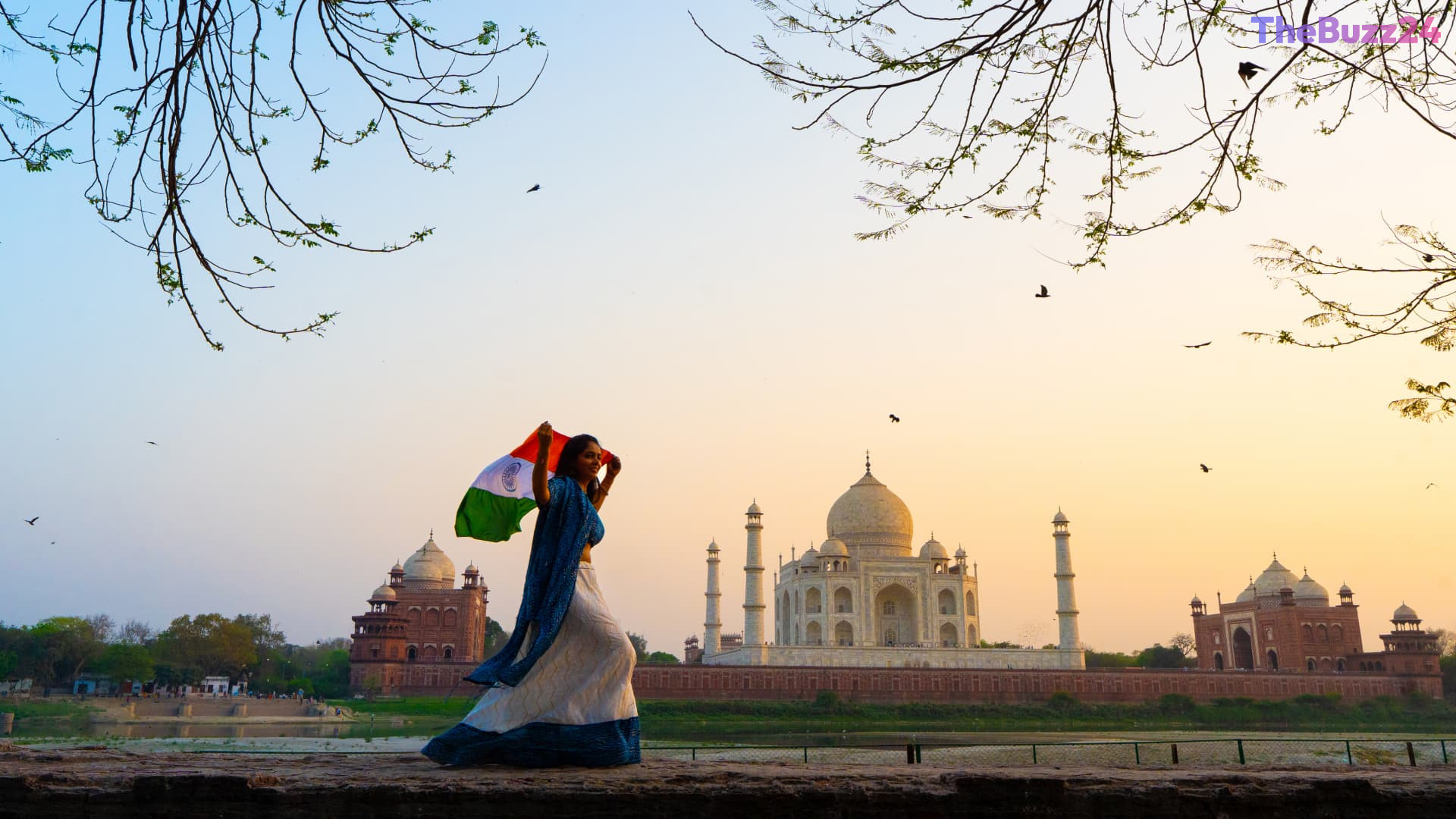
The ongoing instability in the Middle East is reshaping India’s economic landscape, prompting a significant pivot in consumer behavior. As the nation faces currency fluctuations and increased import costs, government leadership has urged citizens to prioritize domestic travel and fiscal prudence. This strategic shift has catalyzed a major surge in the local hospitality industry, as families increasingly abandon international summer travel plans in favor of domestic alternatives.
Major hospitality chains, such as the Indian Hotels Company and Marriott International, are reporting substantial gains in occupancy rates and overall revenue. The combination of international flight disruptions and the rising cost of overseas travel has funneled demand directly into the domestic market. Premium rental platforms, including SaffronStays, have recorded a nearly 50% increase in bookings compared to previous years, with luxury properties in the Himalayan region seeing the highest levels of interest.
This trend extends beyond traditional leisure travel, significantly impacting the destination wedding market. Couples are increasingly opting to host large-scale celebrations within India, creating a surge in demand for high-end venues that is currently outpacing supply. Industry analysts project that this sustained demand will likely drive room rates up by 8% to 12% in the coming months as the hospitality sector adapts to the shifting economic climate.
Key Takeaways
- Middle East instability is causing a shift in Indian consumer spending toward domestic tourism.
- Major hospitality firms and luxury rental platforms are reporting significant occupancy and booking surges.
- The domestic destination wedding market is growing rapidly, leading to projected hotel rate increases of 8% to 12%.
Editor’s Analysis & Impact
The current surge in India’s domestic tourism is a classic example of market substitution driven by geopolitical risk. By redirecting capital that would have been spent on international travel back into the local economy, the hospitality sector is experiencing a period of forced growth. While this provides a short-term buffer against broader economic headwinds, it also highlights the vulnerability of the travel industry to global instability. Looking ahead, the sustained demand for high-end domestic venues suggests a permanent shift in consumer preference for ‘staycations’ and local luxury experiences. If this trend persists, it will likely incentivize further infrastructure investment in domestic tourism hubs, potentially transforming India into a more self-reliant and robust global travel destination, though it may also lead to inflationary pressures on local hospitality services.
Frequently Asked Questions
Q: Why are Indian travelers choosing domestic destinations over international ones?
A: Travelers are opting for domestic trips due to rising costs associated with international travel, currency fluctuations, and the instability in the Middle East, which has led to flight cancellations and increased travel expenses.
Q: What impact is this trend having on hotel prices in India?
A: Due to the surge in demand for high-end accommodations and destination weddings, industry experts anticipate that hotel room rates will increase by approximately 8% to 12% in the near future.
AI Disclosure: This article is based on verified data and official reports. Our Team and AI have cross-referenced every financial detail with primary sources to ensure total accuracy.
More from this Category