Midjourney Challenges Hollywood Studios to Disclose Internal AI Practices Amid Copyright Battle
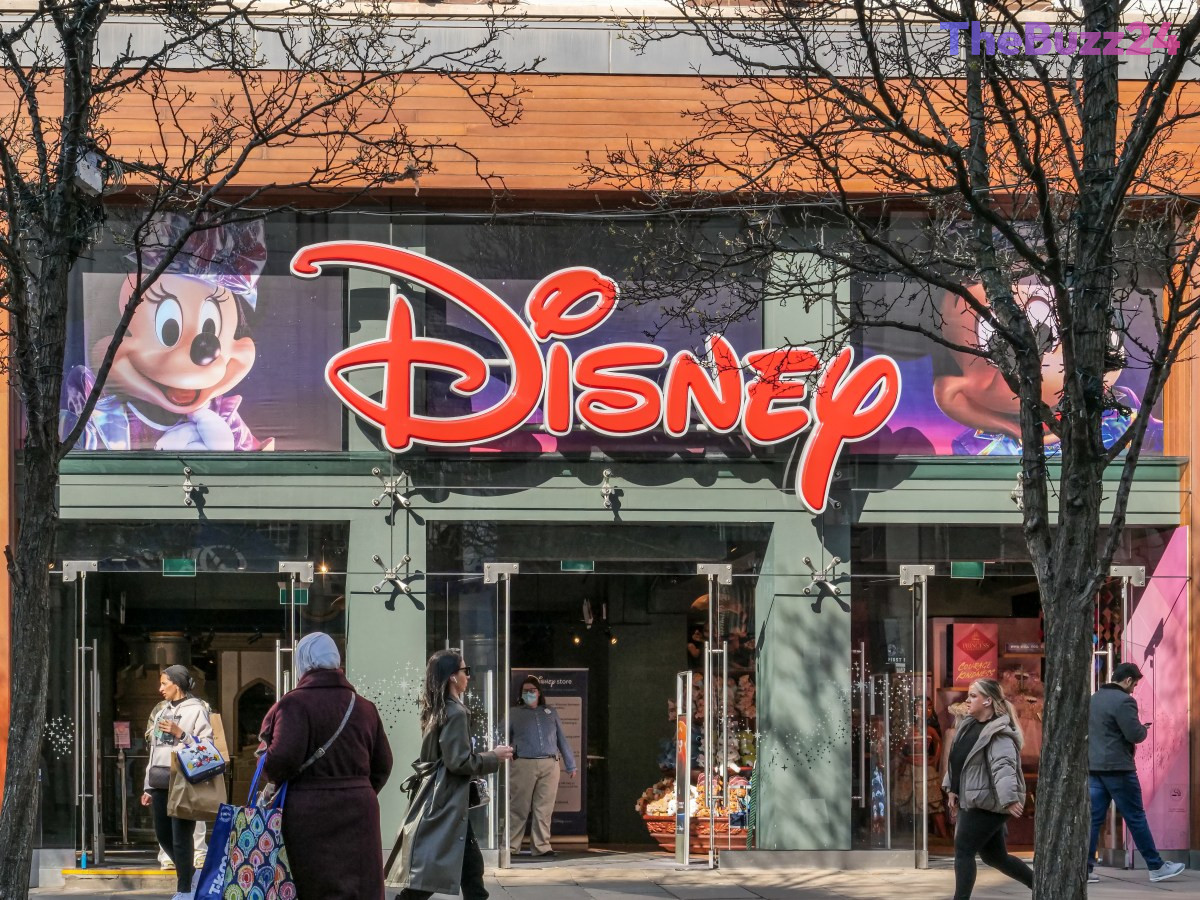
The legal standoff between AI image-generation platform Midjourney and major Hollywood studios has entered a new phase, as the startup moves to compel entertainment giants to disclose their own internal artificial intelligence practices. Disney, Universal, and Warner Bros. previously initiated litigation against Midjourney, alleging that the platform’s models infringe on intellectual property rights by generating unauthorized depictions of iconic characters such as Darth Vader and Bart Simpson.
Midjourney maintains that its model training processes fall under the protections of fair use. The current point of contention involves the scope of discovery. While a judge previously mandated that the studios provide documentation regarding their generative AI usage, this requirement was limited to content that is consumer-facing. Midjourney is now challenging this restriction, arguing that it creates an uneven playing field that allows studios to selectively present evidence while withholding information that could bolster the startup’s defense.
In its latest court filing, Midjourney contends that the studios may be utilizing AI internally for storyboarding and content ideation in ways that mirror the very activities they are currently litigating against. The startup argues that if studios are training their own internal models on unlicensed copyrighted material, it would establish an industry-wide custom that undermines the studios’ claims of market harm. Furthermore, Midjourney is requesting access to a broader range of prompts and outputs used by the studios to better understand the full extent of their AI engagement.
Key Takeaways
- Midjourney is seeking to expand the scope of discovery to include the internal AI development practices of Disney, Universal, and Warner Bros.
- The startup argues that if studios use AI internally for ideation, it may prove that training on copyrighted content is an accepted industry standard.
- Hollywood studios have characterized Midjourney's request as an overreaching 'fishing expedition' intended to distract from copyright infringement claims.
Editor’s Analysis & Impact
This legal battle represents a pivotal moment for the intersection of generative AI and intellectual property law. By attempting to force Hollywood studios to reveal their own internal AI workflows, Midjourney is effectively shifting the narrative from a simple copyright infringement case to a broader inquiry into industry-wide AI adoption. If Midjourney succeeds in obtaining these internal documents, it could expose a ‘hypocrisy gap’ where major studios are utilizing the same technologies they are actively seeking to regulate or penalize in the startup sector. The outcome of this discovery dispute will likely set a significant precedent for how AI companies defend themselves against legacy media entities, potentially forcing a more transparent dialogue regarding how creative industries integrate machine learning into their production pipelines.
Frequently Asked Questions
Q: Why are Hollywood studios suing Midjourney?
A: The studios allege that Midjourney’s AI models infringe on their copyrights by generating images of famous characters without authorization.
Q: What is Midjourney trying to prove by accessing the studios' internal AI documents?
A: Midjourney aims to demonstrate that the studios themselves may be using AI in ways that involve training on copyrighted content, which would suggest that such practices are an industry-wide custom rather than a unique violation.
AI Disclosure: This article is based on verified data and official reports. Our Team and AI have cross-referenced every financial detail with primary sources to ensure total accuracy.
More from this Category