Mississippi Smoke Shop Owners Arrested Following Fatal Student Overdoses Linked to Kratom Derivatives
A father and son operating a local smoke shop in Mississippi have been taken into custody and face federal charges following the tragic deaths of two university students. The victims, both enrolled at the University of Mississippi, were discovered dead from suspected drug overdoses within a short timeframe of each other last month.
Federal prosecutors have formally charged 51-year-old Yahya Mohamed Mosleh and 18-year-old Islam Yahya Mosleh with intent to distribute controlled substances. Authorities executed a search warrant at the retail establishment where the suspects were employed, uncovering packages of suspected kratom derivatives. Investigators traced the fatal products back to the store after discovering partially used packages at the scenes where the students were found.
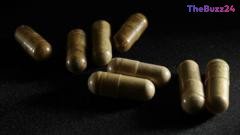
The herbal substance at the center of the investigation, commonly known as kratom, delivers opioid-like effects and has gained widespread availability across the United States over the past decade. While natural kratom remains legal in various states, federal and state scrutiny has intensified due to the emergence of potent synthetic derivatives. Prosecutors emphasized that specific derivatives found during the investigation are classified as schedule I controlled substances, exhibiting potency levels that can significantly exceed traditional kratom leaf products and even morphine.
Key Takeaways
- A Mississippi father and son were arrested and charged with intent to distribute controlled substances following two student deaths.
- Investigators linked packages of suspected kratom derivatives found near the deceased students to a local shop where the suspects worked.
- Legal experts highlight that the specific kratom derivatives involved are classified as schedule I controlled substances with extreme potency.
Editor’s Analysis & Impact
The tragic incidents in Mississippi spotlight the ongoing regulatory and public health challenges surrounding unregulated herbal supplements and their synthetic derivatives in the United States. Often marketed loosely and sold over the counter, substances like kratom occupy a dangerous regulatory gray area that leaves consumers vulnerable to highly potent formulations. This case marks a significant escalation in how law enforcement and federal prosecutors are targeting the commercial distribution of dangerous derivatives under controlled substance laws. Moving forward, this enforcement action could pave the way for stricter state and federal oversight, increased pressure on retail vendors, and broader public awareness campaigns regarding the severe risks associated with purchasing unregulated chemical alternatives from local shops.
Frequently Asked Questions
Q: What is kratom?
A: Kratom is a plant-based herb that produces opioid-like effects. It is typically consumed in pill, powder, or liquid form and has grown in popularity across the United States over the last decade.
Q: Why is kratom sometimes called 'gas station heroin'?
A: The nickname stems from its widespread availability over the counter at convenience stores and smoke shops, combined with its opioid-like properties and potential for abuse and high potency in derivative forms.
Q: Are kratom and its derivatives legal in the US?
A: While natural kratom remains legal in some states and is not currently regulated by the US Food and Drug Administration, certain potent chemical derivatives have been classified as schedule I controlled substances.
AI Disclosure: This article is based on verified data and official reports. Our Team and AI have cross-referenced every financial detail with primary sources to ensure total accuracy.
More from this Category