Modernizing Space Education: Professors Update Astronomy Curriculum with Interactive Space Data
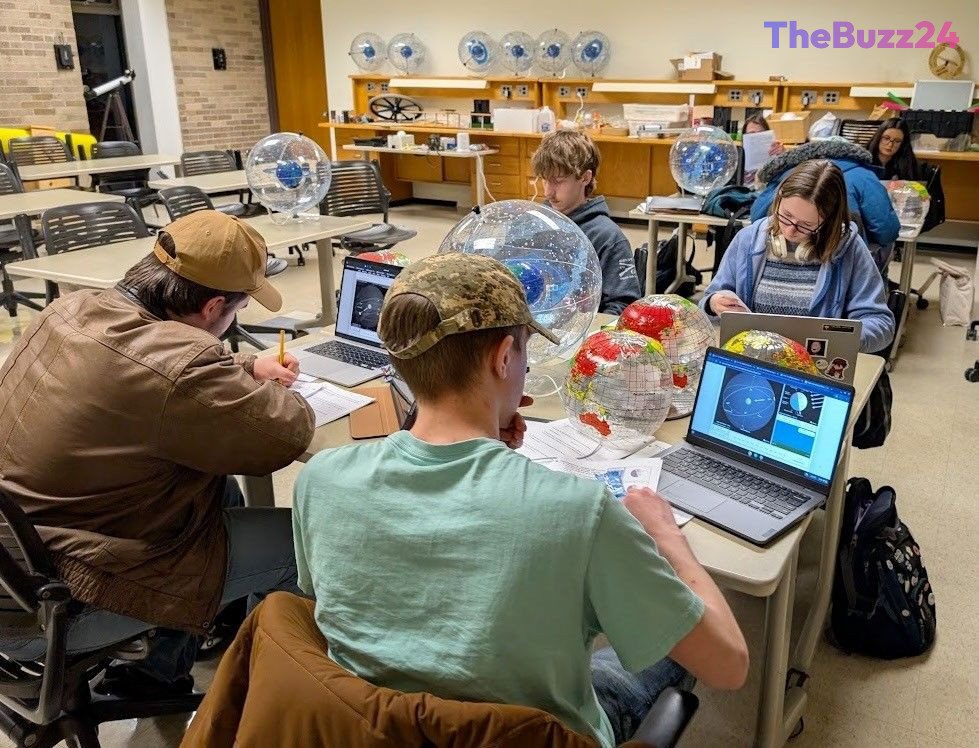
Community college educators are redefining traditional astronomy instruction by combining foundational textbook content with real-world scientific data and digital visualization tools. Working alongside project teams from NASA’s Science Activation program—including the NASA Community College Network, Infiniscope, and NASA Treks—faculty members are rethinking how introductory space science is taught in post-secondary education. The initiative aims to shift instruction away from passive textbook readings and toward dynamic, hands-on learning experiences tailored to modern student needs.
The project began with a collaborative workshop where educators started converting the open-access OpenStax Astronomy 101 textbook into interactive Relevant Engaging Active Learning (REAL) courseware. Faculty members from institutions such as Jackson College, Scottsdale Community College, Modesto Community College, Pima Community College, and Glendale Community College redesigned initial chapters. They embedded interactive tools from platforms like Universe of Learning, NASA Treks, and Cosmic Data Stories directly into the narrative text.
The updated active-learning modules are scheduled for field testing in community college classrooms beginning in the Fall 2026 semester. Educators will evaluate how well the enhanced interactive format boosts student engagement and improves comprehension of core astronomical principles compared to standard reading assignments.
Following the initial pilot phase, project leaders plan to expand the initiative to cover the remaining chapters of the OpenStax astronomy text. This comprehensive revamp aims to create a scalable model for STEM education, leveraging actual space mission findings to inspire students pursuing science pathways across higher education.
Key Takeaways
- Community college professors are updating the OpenStax Astronomy 101 textbook with interactive data tools.
- The modernized curriculum, known as REAL, integrates visualization tools like NASA Treks and Cosmic Data Stories.
- Classroom field testing for the interactive astronomy courseware is slated to begin in Fall 2026.
Editor’s Analysis & Impact
Integrating authentic space research data into introductory college courses represents a crucial step forward for STEM education. Traditional textbook models frequently struggle to capture student interest or reflect the rapid pace of modern scientific discovery. By linking open-educational resources with interactive visualization platforms, instructors can bridge the gap between abstract theoretical concepts and practical scientific inquiry. This active learning methodology is particularly meaningful for community colleges, which train diverse student bodies and frequently serve as the entry point for tech and science careers. If the upcoming Fall 2026 pilot yields positive learning outcomes, this cross-institutional framework could be expanded to revitalize curricula across physics, geology, and atmospheric sciences.
Frequently Asked Questions
Q: What is the purpose of modernizing the OpenStax astronomy textbook?
A: The project seeks to replace traditional passive textbook reading with interactive learning modules that use real scientific data, visualizations, and digital activities to increase student engagement.
Q: When will the updated astronomy curriculum be tested in classrooms?
A: The modified Relevant Engaging Active Learning (REAL) modules will undergo field testing in community college classrooms during the Fall 2026 term.
Q: Which organizations and colleges are participating in the project?
A: Instructors from Jackson, Scottsdale, Modesto, Pima, and Glendale community colleges collaborated with teams from the NASA Community College Network, the SETI Institute, Arizona State University's Infiniscope project, and NASA Treks.
AI Disclosure: This article is based on verified data and official reports. Our Team and AI have cross-referenced every financial detail with primary sources to ensure total accuracy.
More from this Category