Iranian Naval Crew Departs Sri Lanka Following Deadly Maritime Clash
Over 200 Iranian naval personnel have officially departed Sri Lanka, marking the conclusion of a month-long stay that followed a major military confrontation in the Indian Ocean. The group, comprising survivors from the sunken Iris Dena and the full crew of the Irins Bushehr, boarded a flight on Tuesday evening. During their stay, the sailors were accommodated in secure government military facilities under special visa arrangements facilitated by Sri Lankan authorities.
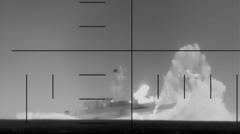
The crisis originated on March 4, when the Iranian warship Iris Dena was struck by a torpedo launched from a US submarine approximately 40 kilometers off the southern coast of Sri Lanka. The vessel, which was transiting back from naval exercises in India, sank following the impact. The incident resulted in the loss of 104 lives, with 84 bodies recovered and repatriated to Iran in the weeks following the tragedy.
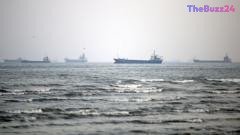
Simultaneously, the Irins Bushehr sought emergency refuge in Sri Lankan waters on March 5 after experiencing catastrophic engine failure. Sri Lankan officials permitted the vessel to dock, citing humanitarian obligations under international maritime law. While the majority of the crew has now returned home, a small technical team of roughly 15 personnel remains in Trincomalee to oversee the grounded ship.
This maritime standoff has unfolded against a backdrop of escalating geopolitical tensions involving the United States, Israel, and Iran. Throughout the ordeal, Sri Lanka has attempted to maintain a policy of non-alignment, navigating intense diplomatic and economic pressures while emphasizing a neutral, humanitarian response to the regional crisis.
Key Takeaways
- More than 200 Iranian sailors have left Sri Lanka after a month-long stay following a military engagement.
- The Iranian warship Iris Dena sank on March 4 after being struck by a torpedo from a US submarine, resulting in 104 fatalities.
- Sri Lanka provided humanitarian refuge to the crew of the Irins Bushehr, which remains partially docked in Trincomalee for maintenance.
Editor’s Analysis & Impact
The sinking of the Iris Dena represents a significant escalation in maritime friction between the United States and Iran. By occurring in the Indian Ocean—a critical artery for global trade and energy transit—this incident highlights the fragility of regional stability. Sri Lanka’s role as a neutral host underscores the difficult position smaller nations face when caught in the crossfire of major power rivalries. Moving forward, the incident is likely to trigger intense diplomatic scrutiny regarding rules of engagement in international waters. The presence of a remaining maintenance crew in Trincomalee suggests that the diplomatic fallout is far from over, as the vessel’s status could become a focal point for further negotiations or potential regional posturing. The international community will be watching closely to see if this event leads to a broader shift in naval patrol policies in the Indian Ocean.
Frequently Asked Questions
Q: Why were the Iranian sailors in Sri Lanka?
A: The sailors were in Sri Lanka after their warship, the Iris Dena, was sunk in a military engagement, and their support vessel, the Irins Bushehr, required emergency repairs.
Q: Is the Irins Bushehr still in Sri Lanka?
A: Most of the crew has been repatriated, but a small maintenance team of approximately 15 sailors remains in Trincomalee to oversee the grounded vessel.
AI Disclosure: This article is based on verified data and official reports. Our Team and AI have cross-referenced every financial detail with primary sources to ensure total accuracy.
More from this Category