NASA Initiative Empowers Next-Gen Planetary Scientists in Science Communication
The NASA Science Mission Directorate’s (SMD) Community of Practice for Education (SCoPE), a key component of the NASA Science Activation (SciAct) Program, is actively working to enhance the ability of Earth and Space Science and Engineering Subject Matter Experts to effectively share their groundbreaking research. This initiative ensures that vital scientific discoveries reach a broader audience, supported by SciAct’s dedicated education specialists.
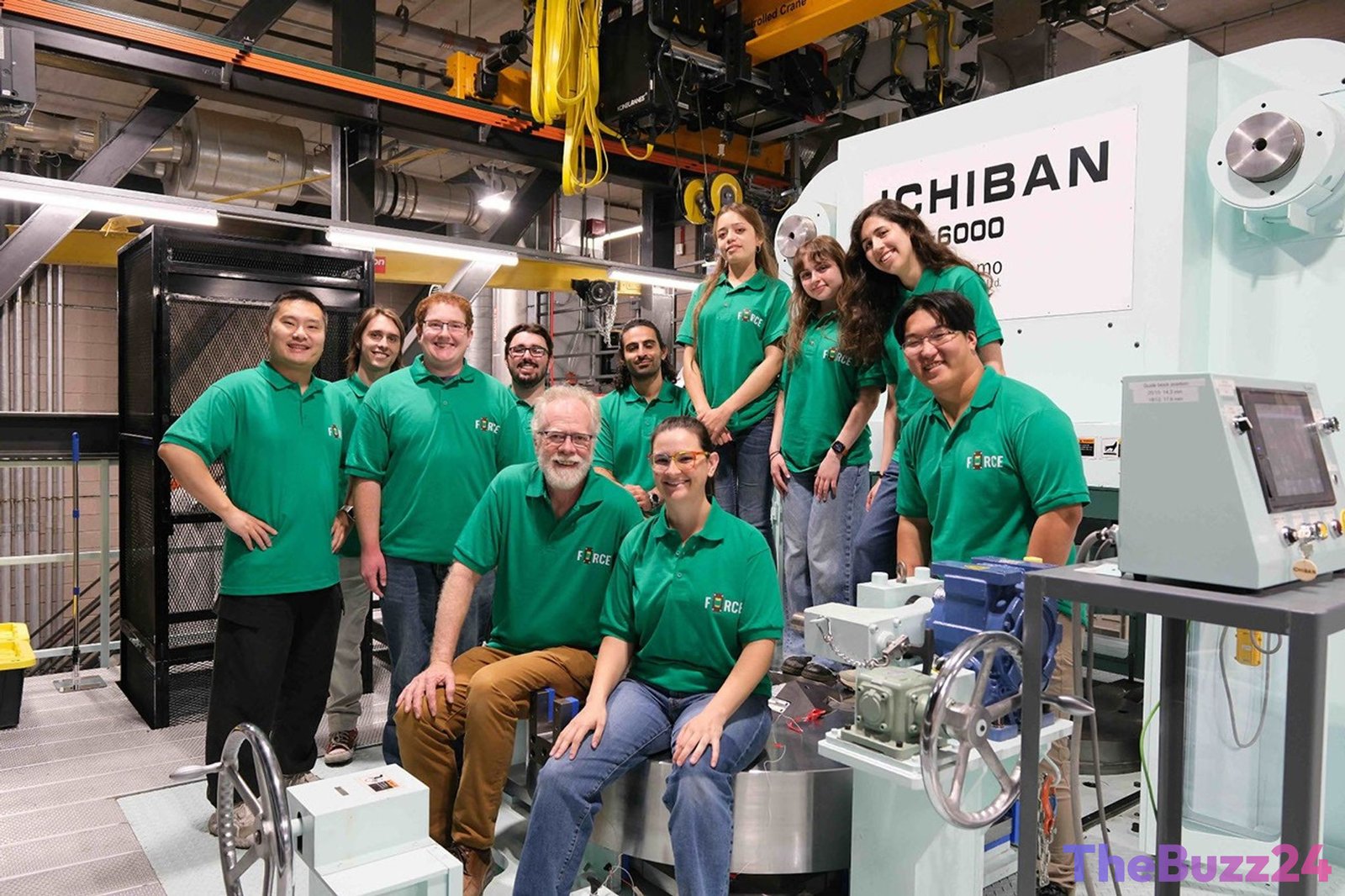
In the summer of 2026, SCoPE collaborated with Arizona State University’s Facility for Open Research in a Compressed Environment (FORCE) Summer School. This partnership focused on empowering seven undergraduate student interns by honing their science communication skills, crucial for conveying complex research to diverse audiences. The FORCE laboratory itself is a state-of-the-art facility, utilizing high-pressure experimental equipment to replicate the extreme conditions found deep within Earth and other celestial bodies. This unique capability allows researchers to gain profound insights into how planets form, evolve, and behave under immense pressures.
As part of the intensive Summer School curriculum, SCoPE orchestrated two hands-on workshops on June 25 and 26, complemented by follow-up office hours. These sessions were meticulously designed to guide interns in transforming their highly technical research into compelling narratives accessible to non-expert audiences. The training emphasized identifying core themes, crafting clear and engaging messages, strategizing effective public interactions, and managing the logistical aspects of public engagement. Interns also received tailored advice on preparing both their research posters and interactive outreach stations.
The program culminated in two significant outreach events. The first was the FORCE Open House, which welcomed approximately 50 members of the general public. Visitors were offered an exclusive tour of the laboratory, had the opportunity to meet the research team, explore the specialized equipment used for planetary simulations, and engage directly with interns at themed outreach stations that demystified the science behind the experiments. The second event was a dedicated poster session for Arizona State University faculty, staff, and students, where interns presented their research, fostering discussions on their scientific findings and receiving valuable feedback from the academic community. This integrated approach by NASA SCoPE successfully equipped emerging planetary scientists with practical skills, boosting their confidence and forging stronger connections between cutting-edge planetary science and the communities it serves.
Key Takeaways
- NASA SCoPE partnered with Arizona State University's FORCE Summer School to train undergraduate interns in science communication.
- The program included workshops on translating technical research for non-experts, culminating in a public open house and a university poster session.
- The initiative aims to equip future planetary scientists with essential skills to engage both scientific peers and the broader public, fostering greater understanding and connection to cutting-edge research.
Editor’s Analysis & Impact
This initiative by NASA SCoPE and ASU’s FORCE is a critical step in bridging the gap between scientific discovery and public understanding. In an era where scientific literacy is paramount, empowering future researchers with robust communication skills ensures that complex findings are not confined to academic circles but are effectively disseminated to the public. This fosters greater public engagement, inspires future generations of scientists, and builds trust in scientific institutions. Furthermore, strong public communication can indirectly influence funding for scientific endeavors by demonstrating the tangible benefits and excitement of research. The program’s focus on practical application, through events like the Open House, sets a valuable precedent for integrating outreach as a core component of scientific training, ultimately strengthening the societal impact of planetary science.
Frequently Asked Questions
Q: What is NASA SCoPE?
A: NASA SCoPE (Science Mission Directorate Community of Practice for Education) is part of the NASA Science Activation (SciAct) Program. Its purpose is to help Earth and Space Science and Engineering Subject Matter Experts, particularly those funded by NASA, efficiently and effectively share their scientific work with the public, supported by SciAct education experts.
Q: What is the FORCE Summer School?
A: FORCE (Facility for Open Research in a Compressed Environment) Summer School is a program at Arizona State University. It partners with NASA SCoPE to provide undergraduate interns with training in science communication. The FORCE laboratory itself is a world-class facility that uses high-pressure experimental equipment to simulate extreme conditions found within Earth and other planetary bodies.
Q: Why is science communication important for planetary scientists?
A: Science communication is crucial for planetary scientists to effectively share their research with a variety of audiences, including the general public and fellow scientists. It helps translate complex technical information into understandable and engaging stories, fostering public interest, inspiring future scientists, and building support for scientific exploration and discovery.
AI Disclosure: This article is based on verified data and official reports. Our Team and AI have cross-referenced every financial detail with primary sources to ensure total accuracy.
More from this Category