NASA Moves Core Stage for Artemis III as Moon Mission Momentum Builds
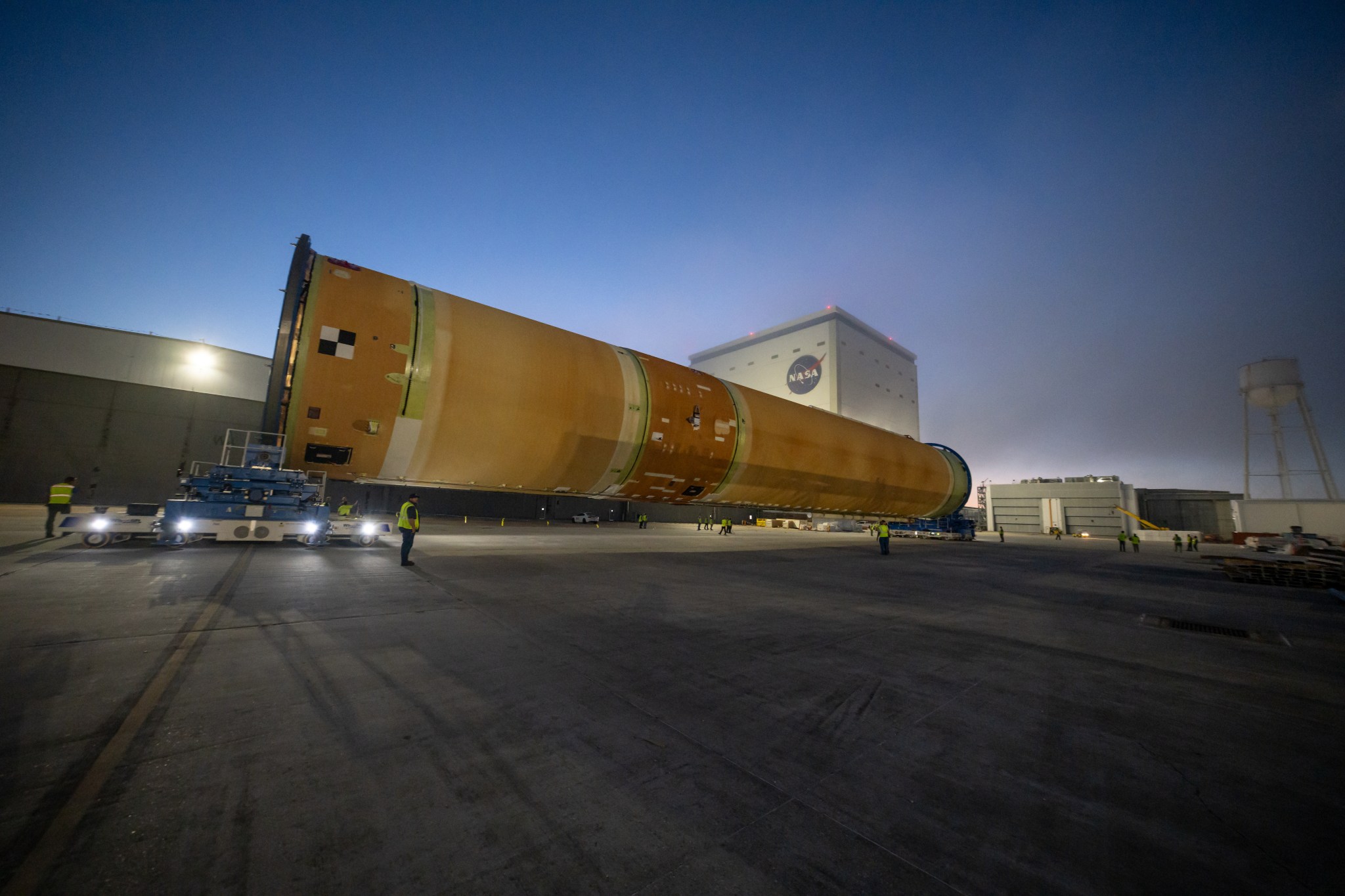
NASA has reached a pivotal milestone in its lunar exploration program as it prepares to transport the core stage of the Space Launch System (SLS) rocket. On April 20, the massive hardware component, which contains the critical liquid hydrogen and oxygen tanks, will depart the Michoud Assembly Facility in New Orleans. The stage will be loaded onto the Pegasus barge for a maritime journey to the Kennedy Space Center in Florida, where it will undergo final integration and preparation for the upcoming Artemis III mission.
As the primary engine of the SLS, the core stage is designed to generate over 2 million pounds of thrust, providing the raw power necessary to propel the Orion spacecraft toward the Moon. Once the hardware arrives at the Kennedy Space Center, specialized teams—including partners from Boeing and L3Harris Technologies—will begin the final outfitting process. This phase is essential for ensuring the structural integrity and operational performance required for the rigors of deep-space travel.
Building on the insights gained from the Artemis II flight, the Artemis III mission is currently scheduled for 2027. This mission will serve as a critical test for rendezvous and docking procedures between the Orion vehicle and commercial lunar landers. By standardizing manufacturing and assembly processes, NASA aims to maintain a reliable launch configuration for the SLS, which remains the only vehicle capable of delivering the Orion capsule, its crew, and necessary cargo to the lunar vicinity in a single launch.
The Artemis program represents a cornerstone of long-term space exploration, aiming to establish a sustainable human presence on the lunar surface. Beyond immediate scientific discovery, these missions act as a proving ground for the logistical and technological advancements needed for future crewed expeditions to Mars. The successful transit of the Artemis III core stage marks a significant step in the ongoing effort to expand human reach throughout the solar system.
Key Takeaways
- The core stage of the SLS rocket is being transported from New Orleans to the Kennedy Space Center for final assembly.
- The Artemis III mission, scheduled for 2027, will focus on testing docking protocols between the Orion spacecraft and commercial lunar landers.
- The SLS remains the only launch vehicle currently capable of transporting the Orion capsule, crew, and cargo to the Moon in one launch.
Editor’s Analysis & Impact
The movement of the Artemis III core stage signals that NASA is successfully transitioning from the design and testing phases of the SLS program into a more consistent production cadence. By leveraging data from the Artemis II mission, the agency is effectively refining its supply chain and integration protocols, which is vital for the long-term sustainability of the Artemis program. The reliance on commercial partnerships, such as those with Boeing and L3Harris, underscores a broader industry shift toward public-private collaboration in deep-space exploration. As the program matures, the ability to maintain a standardized, reliable launch vehicle will be the primary determinant of whether NASA can meet its ambitious 2027 timeline and eventually pivot toward the logistical complexities of a crewed Mars mission. The success of these upcoming lunar landings will likely dictate future funding and public support for deep-space initiatives.
Frequently Asked Questions
Q: What is the primary purpose of the SLS core stage?
A: The core stage acts as the powerhouse of the rocket, generating over 2 million pounds of thrust to launch the Orion spacecraft and its crew toward the Moon.
Q: Why is the Artemis III mission considered a critical test?
A: Artemis III is vital because it will test rendezvous and docking protocols between the Orion vehicle and commercial lunar landers, which is a necessary step for landing humans on the Moon.
AI Disclosure: This article is based on verified data and official reports. Our Team and AI have cross-referenced every financial detail with primary sources to ensure total accuracy.
More from this Category