NASA Opens Doors for Collaboration in Next-Gen Aviation Research
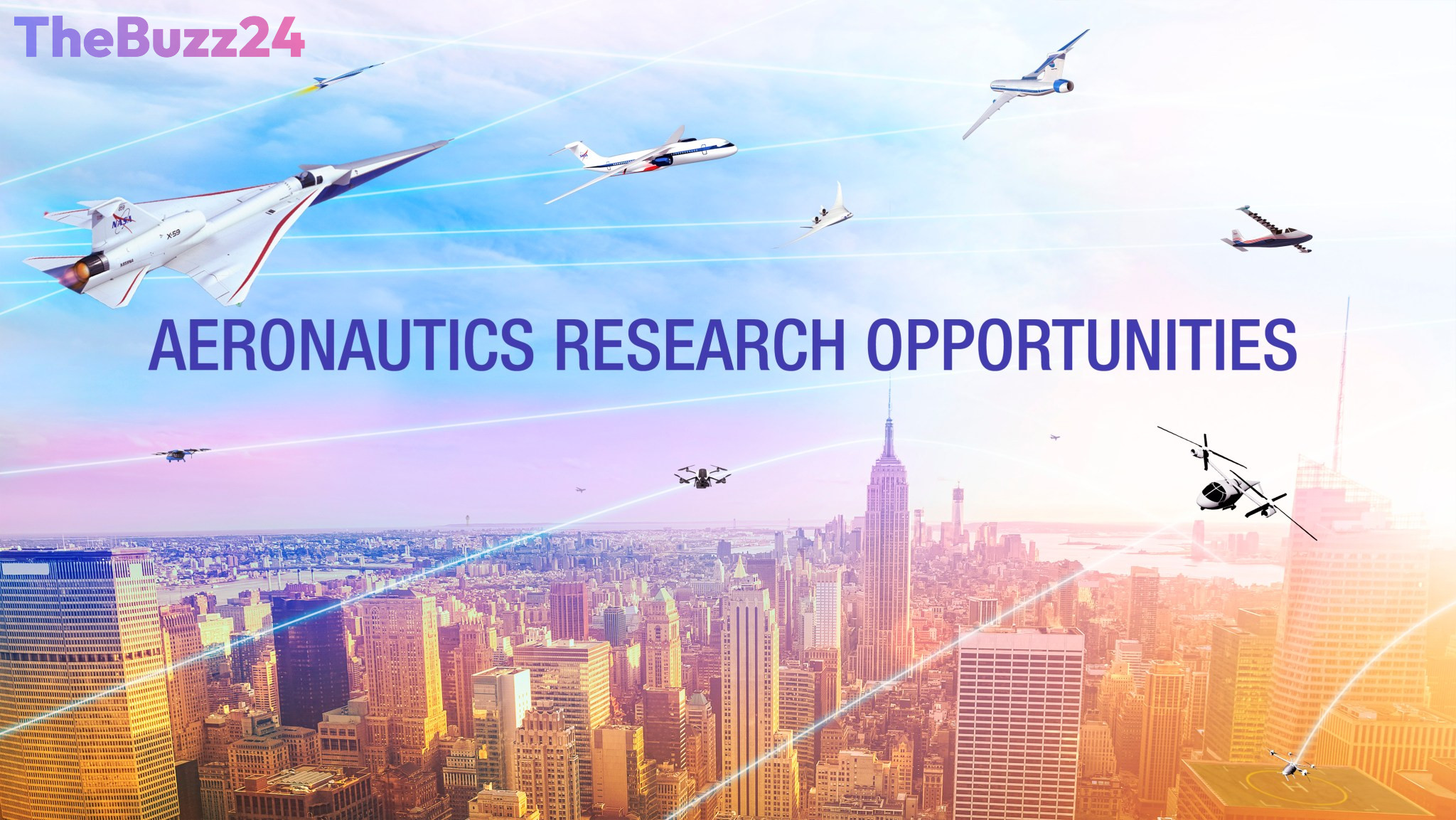
NASA’s Aeronautics Research Mission Directorate (ARMD) is actively seeking partnerships and contributions from industry, academia, and government to advance the future of air transportation. The agency has outlined a series of research solicitations and opportunities designed to foster innovation in areas ranging from advanced engine technologies to the development of sustainable aviation systems.
Key among the current opportunities is a solicitation for proposals related to the Development Plan for Open Fan Flight Demonstration. This initiative, part of NASA’s Advanced Air Vehicles Program, aims to explore radical aircraft and engine technologies through collaboration with industry partners. The goal is to ensure these advancements are applicable to future aircraft designs, with proposals due by August 3, 2026. Additionally, NASA continues to engage the academic community through its Aeronautics Innovation Challenges, encouraging students to tackle real-world aviation problems.
While some solicitations, such as those for the Aeronautics Flight Accelerator and the NASA Aerospace Skilled Technical Workforce Hubs (NAS_Hub), have recently closed, they highlight NASA’s ongoing commitment to developing both cutting-edge technology and a skilled workforce. The NAS_Hub initiative, in particular, focused on creating regional centers to train and sustain a technical workforce essential for the growing aerospace and defense sectors, partnering with educational institutions and industry leaders.
NASA encourages interested parties to monitor the NASA Solicitation and Proposal Integrated Review and Evaluation System (NSPIRES) for official announcements and updates. This platform serves as the primary channel for discovering opportunities to collaborate with NASA’s aeronautical researchers and contribute to the development of safer, more efficient, and sustainable air travel.
Key Takeaways
- NASA's ARMD is soliciting proposals for collaborations to advance air transportation technologies, with a focus on open fan flight demonstrations.
- The agency is engaging students through Aeronautics Innovation Challenges to solve current aviation problems.
- Past solicitations, like those for the Aeronautics Flight Accelerator and NAS_Hubs, underscore NASA's commitment to technological advancement and workforce development in the aerospace sector.
Editor’s Analysis & Impact
NASA’s proactive solicitation of research and development partnerships signals a strategic push towards accelerating innovation in aviation. By engaging both established industry players and academic institutions, the agency aims to de-risk and fast-track the adoption of transformative technologies. The emphasis on open fan engines and advanced air mobility suggests a future focused on greater efficiency, reduced emissions, and potentially new modes of transport. The continued investment in workforce development through initiatives like NAS_Hubs is crucial for sustaining this progress, ensuring a pipeline of skilled professionals to meet the evolving demands of the aerospace industry. This approach positions NASA as a central facilitator in shaping the future of flight.
Frequently Asked Questions
Q: How can organizations collaborate with NASA's Aeronautics Research Mission Directorate?
A: Organizations can collaborate by responding to official solicitations and opportunities announced through NASA's Solicitation and Proposal Integrated Review and Evaluation System (NSPIRES). This includes submitting proposals for research, participating in innovation challenges, or responding to Requests for Information (RFIs).
Q: What is the deadline for the Open Fan Flight Demonstration proposals?
A: The deadline for proposals related to the Development Plan for Open Fan Flight Demonstration is August 3, 2026.
Q: What is the purpose of the NASA Aerospace Skilled Technical Workforce Hubs (NAS_Hub) initiative?
A: The NAS_Hub initiative aims to establish regional centers that develop and sustain a skilled technical workforce for the aerospace and defense industries by aligning education and training with industry needs and creating clear employment pathways.
AI Disclosure: This article is based on verified data and official reports. Our Team and AI have cross-referenced every financial detail with primary sources to ensure total accuracy.
More from this Category