Intuitive Machines Lands $180 Million NASA Contract for Lunar South Pole Mission
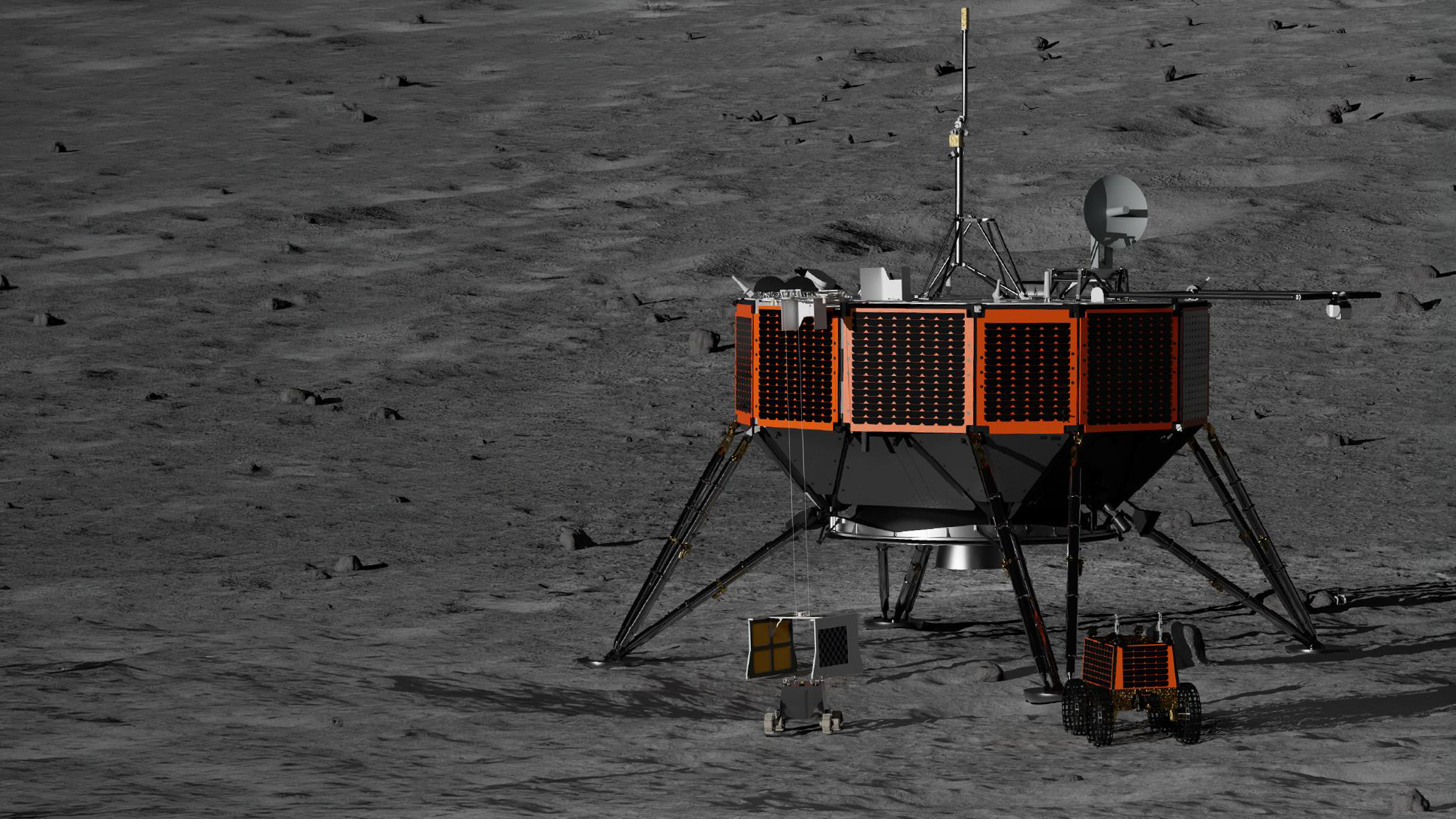
Intuitive Machines has been awarded a $180.4 million contract by NASA to execute a pivotal lunar delivery mission scheduled for 2030. As part of the Commercial Lunar Payload Services (CLPS) program, this mission is designed to bolster the Artemis initiative, which seeks to establish a permanent human presence on the Moon. The mission will focus on the lunar South Pole, a region of significant scientific interest due to its potential for harboring resources and its challenging environmental conditions.
This contract represents the fifth such agreement for the Houston-based aerospace firm, following its previous successful lunar landing missions. The upcoming expedition will carry seven distinct payloads, totaling 165 pounds of scientific equipment. These instruments are tasked with gathering critical data on regolith characteristics, radiation levels, and chemical compositions, all of which are essential for ensuring the safety and sustainability of future human explorers.
Key scientific instruments aboard the lander include the Stereo Cameras for Lunar Plume Surface Studies (SCALPSS) and the Near-Infrared Volatiles Spectrometer System (NIRVSS), which will analyze soil composition and search for water ice. The mission also features international cooperation, notably the Australian Space Agency’s “Roo-ver,” which will test advanced robotics. Furthermore, the inclusion of the Lunar Vehicle Radiation Dosimeter (LVRaD) will provide vital data on radiation risks, while a “Sanctuary on the Moon” time capsule will preserve a record of human civilization on synthetic sapphire discs.
By leveraging private sector expertise, NASA continues to accelerate the pace of lunar exploration. These commercial partnerships are not only reducing the cost of space access but are also providing the technological foundation necessary for long-term lunar operations, which serve as a critical proving ground for the eventual human exploration of Mars.
Key Takeaways
- Intuitive Machines secured a $180.4 million NASA contract for a 2030 lunar South Pole mission.
- The mission will transport seven scientific payloads to study lunar soil, radiation, and potential water ice.
- This initiative is a key component of the Artemis program, aiming to prepare for long-term human lunar habitation and future Mars missions.
Editor’s Analysis & Impact
The awarding of this contract underscores the shift in space exploration strategy, where government agencies increasingly rely on private aerospace firms to handle logistics and payload delivery. By outsourcing these missions to companies like Intuitive Machines, NASA is effectively fostering a competitive commercial space economy that drives down costs and accelerates innovation. The focus on the lunar South Pole is particularly significant, as this region is believed to contain water ice, a resource that could be converted into fuel and oxygen, effectively turning the Moon into a ‘gas station’ for deep space travel. The success of these missions is vital for the long-term viability of the Artemis program and will likely dictate the pace at which humanity can transition from short-term lunar visits to establishing a permanent, sustainable base of operations.
Frequently Asked Questions
Q: What is the primary goal of the 2030 Intuitive Machines lunar mission?
A: The mission aims to explore the Moon's South Pole to gather data on regolith, radiation, and chemical composition, which are essential for establishing a sustainable human presence under the Artemis program.
Q: What is the significance of the CLPS program?
A: The Commercial Lunar Payload Services (CLPS) program allows NASA to contract private companies for lunar deliveries, fostering a commercial space industry and accelerating scientific research at a lower cost than traditional government-led missions.
AI Disclosure: This article is based on verified data and official reports. Our Team and AI have cross-referenced every financial detail with primary sources to ensure total accuracy.
More from this Category