NASA Unveils Robotic Blueprint for Permanent Lunar Settlement
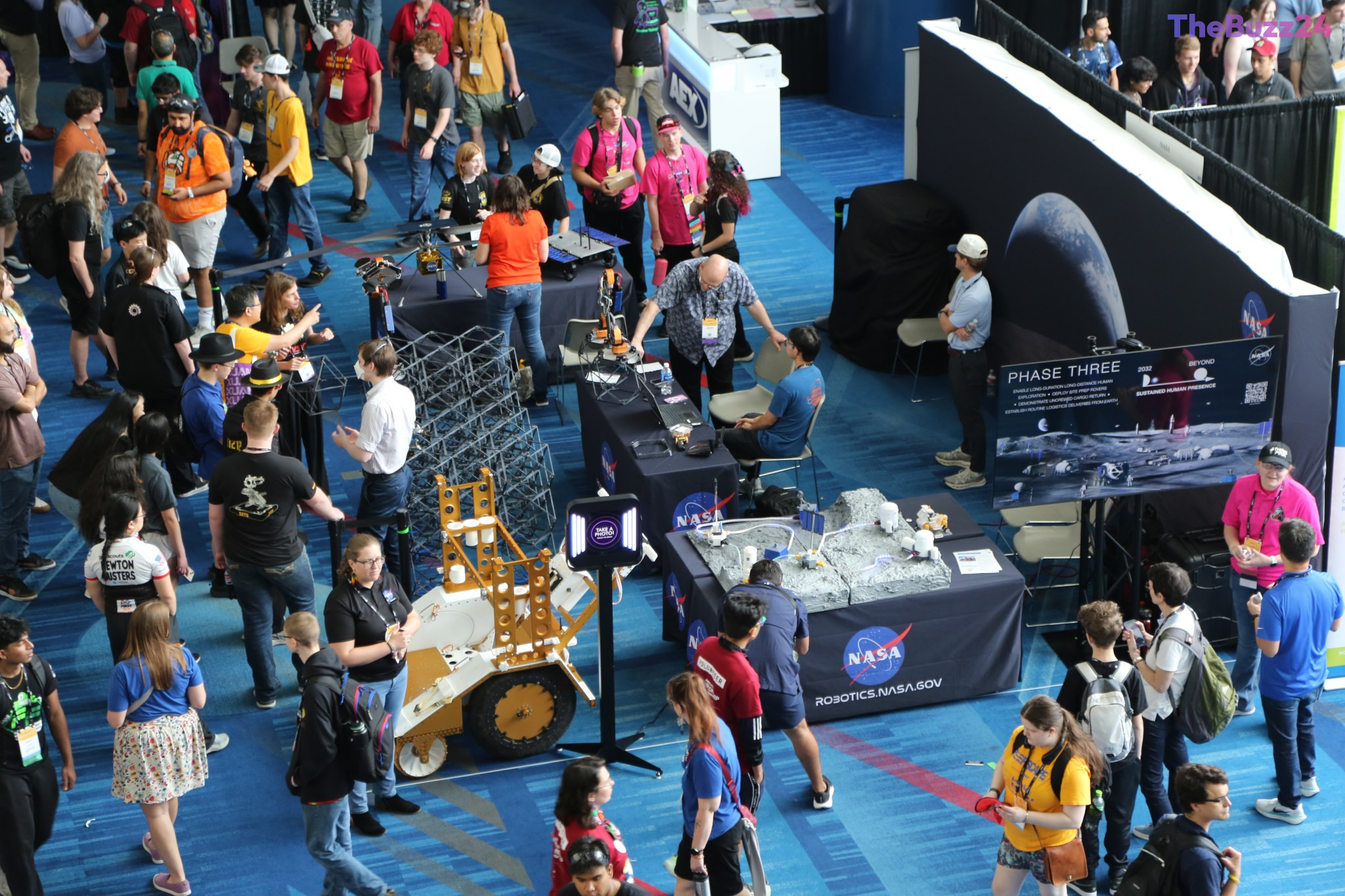
NASA recently utilized the 2026 FIRST Robotics World Championship in Houston to unveil its comprehensive strategy for establishing a permanent human presence on the Moon. Addressing a crowd of over 51,000 attendees, agency officials underscored that advanced robotics will serve as the primary foundation for lunar infrastructure, acting as a vital precursor to future crewed missions to Mars.
The agency’s roadmap centers on an aggressive schedule of uncrewed missions, with plans for up to 30 Commercial Lunar Payload Services (CLPS) landings slated for 2027. These missions will deploy a sophisticated fleet of rovers, drones, and hoppers tasked with scouting lunar terrain and deploying essential scientific equipment. By prioritizing a robotic-first approach, the agency aims to mitigate risks and prepare the environment for the eventual arrival of Artemis crews.
Technological innovation remains at the heart of this initiative. NASA highlighted several breakthroughs, including Automated Reconfigurable Mission Adaptive Digital Assembly Systems, which utilize robot swarms to construct large-scale infrastructure autonomously. Furthermore, the agency showcased Cooperative Autonomous Distributed Robotic Exploration systems designed for hazardous terrain navigation, alongside next-generation aerial reconnaissance technology inspired by the success of the Ingenuity helicopter.
Beyond the hardware, the event served as a strategic recruitment platform. By providing mentorship and technical support to over 160 student teams, the agency is actively cultivating the engineering talent required to execute these complex space objectives. Through this hands-on engagement, the organization hopes to inspire the next generation of scientists and engineers to lead the charge in deep-space exploration.
Key Takeaways
- NASA plans to launch up to 30 robotic lunar missions in 2027 to prepare for long-term human habitation.
- The strategy relies on autonomous robot swarms and advanced aerial reconnaissance to build and scout lunar infrastructure.
- The agency is actively mentoring student robotics teams to build a pipeline of future talent for deep-space exploration.
Editor’s Analysis & Impact
NASA’s pivot toward a ‘robotics-first’ strategy for lunar colonization marks a significant shift in space exploration economics. By utilizing autonomous swarms and commercial payload services, the agency is effectively lowering the barrier to entry for establishing permanent off-world infrastructure. This approach not only reduces the immediate risk to human life but also creates a scalable model for resource utilization on the Moon. The emphasis on engaging student robotics teams suggests a long-term commitment to workforce development, acknowledging that the complexity of Martian and lunar missions will require a new generation of engineers proficient in autonomous systems. If successful, these robotic precursors will likely catalyze a new sector of the space economy, shifting the focus from short-term exploration to long-term industrialization of the lunar surface.
Frequently Asked Questions
Q: Why is NASA prioritizing robotics for the Moon base?
A: Robotics allow for the autonomous construction of infrastructure and the scouting of hazardous terrain, which significantly reduces risk and prepares the environment for human arrival.
Q: What is the role of the Commercial Lunar Payload Services (CLPS) in this plan?
A: CLPS missions are the primary delivery vehicles for the robotic fleet, with up to 30 landings planned for 2027 to transport rovers, drones, and scientific equipment to the lunar surface.
AI Disclosure: This article is based on verified data and official reports. Our Team and AI have cross-referenced every financial detail with primary sources to ensure total accuracy.
More from this Category