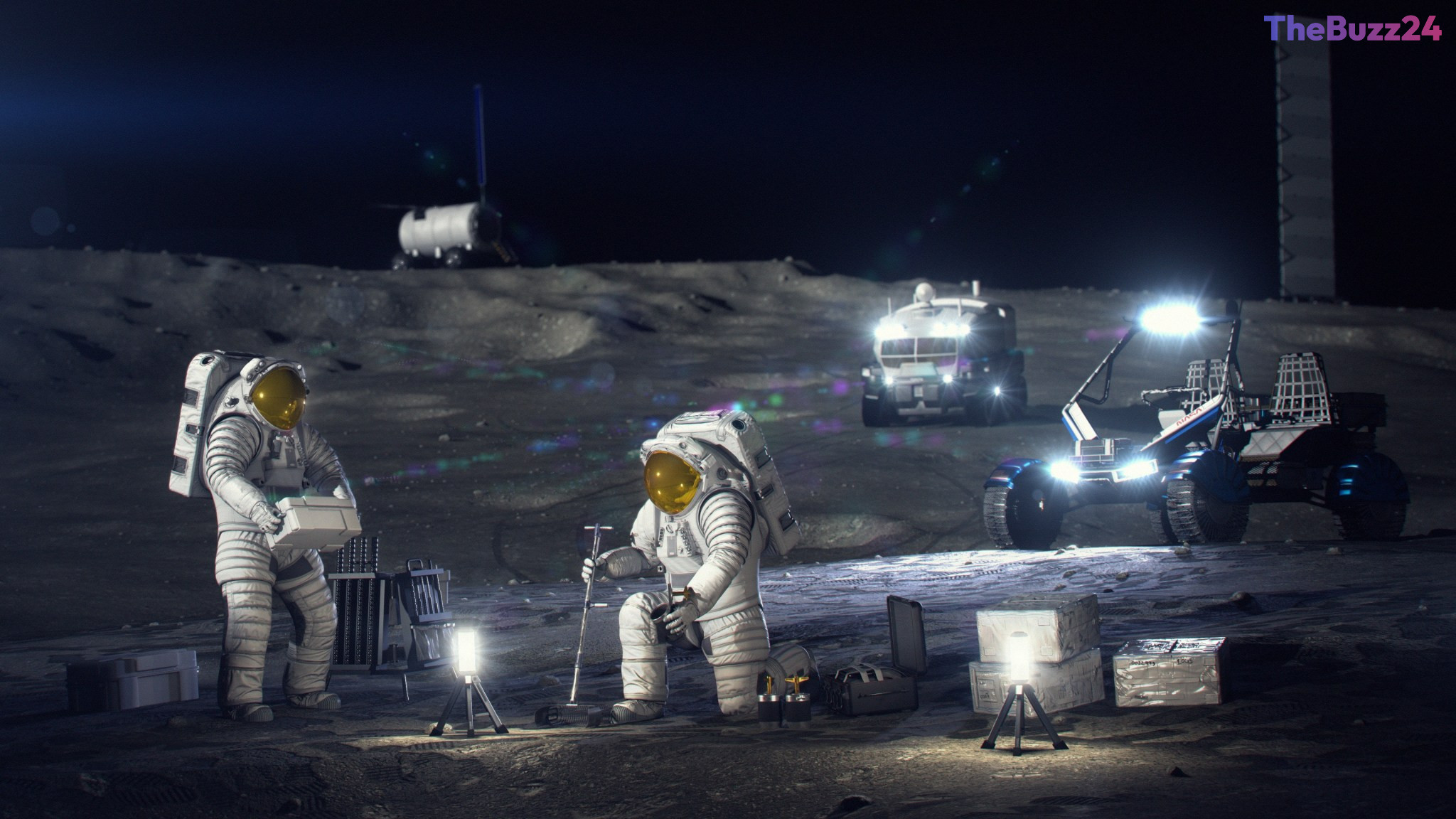
NASA Unveils Bold Plan for Permanent Moon Base
NASA is charting an ambitious course for humanity’s future in space, preparing to reveal a detailed strategic blueprint for establishing a permanent human presence on the Moon. Agency leaders are slated to present the comprehensive roadmap, outlining the critical technological advancements and logistical requirements needed to transition from brief exploratory missions to sustained, long-term habitation on the lunar surface. This initiative represents a significant evolution in space exploration policy, with a primary focus on constructing the foundational infrastructure essential for continuous human life beyond Earth.
The upcoming briefing will feature prominent agency officials, including Administrator Jared Isaacman, who will elaborate on the crucial role of commercial industry partners in realizing this lunar vision. By harnessing the innovative capabilities of the private sector, NASA aims to expedite the development of mission architectures specifically tailored for the lunar South Pole. This particular region has garnered significant attention due to its potential for valuable resources and its strategic importance for ongoing scientific investigations.
This endeavor extends beyond the immediate objective of lunar settlement; it is envisioned as a vital proving ground for future deep-space exploration. The infrastructure developed for the Moon will serve as an indispensable testing facility for the advanced technologies and life-support systems required for eventual human expeditions to Mars. By establishing a robust and enduring foothold on our nearest celestial neighbor, NASA intends to pioneer a sustainable model for long-duration space travel and foster commercial activities far beyond Earth’s orbit.
Key Takeaways
- NASA is developing a strategic plan for a permanent human base on the Moon.
- The initiative relies heavily on partnerships with commercial companies to advance lunar infrastructure.
- The lunar base will serve as a crucial testbed for technologies needed for future Mars missions.
Editor’s Analysis & Impact
NASA’s strategic pivot towards a permanent lunar base signals a profound shift in space exploration, moving beyond symbolic visits to a model focused on sustained presence and resource utilization. The emphasis on the lunar South Pole is strategically sound, targeting potential water ice deposits crucial for life support and propellant production, thereby laying the groundwork for a future lunar economy. This approach not only mitigates risks for the eventual Mars missions by allowing for the testing of habitats and systems in a relevant off-world environment but also highlights the growing importance of public-private collaborations. The future of space exploration appears to be a synergistic blend of governmental oversight and private sector agility, driving innovation and reducing costs.
Frequently Asked Questions
Q: What is the primary goal of NASA's new lunar initiative?
A: The primary goal is to establish a permanent human presence on the Moon by developing the necessary infrastructure and technologies for sustained habitation and exploration.
Q: How will commercial partners contribute to NASA's lunar plans?
A: Commercial partners will play a key role in accelerating the development of mission architectures and hardware, leveraging private sector innovation to build lunar infrastructure more efficiently.
Q: Why is the lunar South Pole a focus for this program?
A: The lunar South Pole is of significant interest due to the potential presence of water ice in permanently shadowed regions, which is vital for life support, fuel production, and scientific research.
AI Disclosure: This article is based on verified data and official reports. Our Team and AI have cross-referenced every financial detail with primary sources to ensure total accuracy.
More from this Category