National Park Service Endorses Controversial 250-Foot Triumphal Arch Project
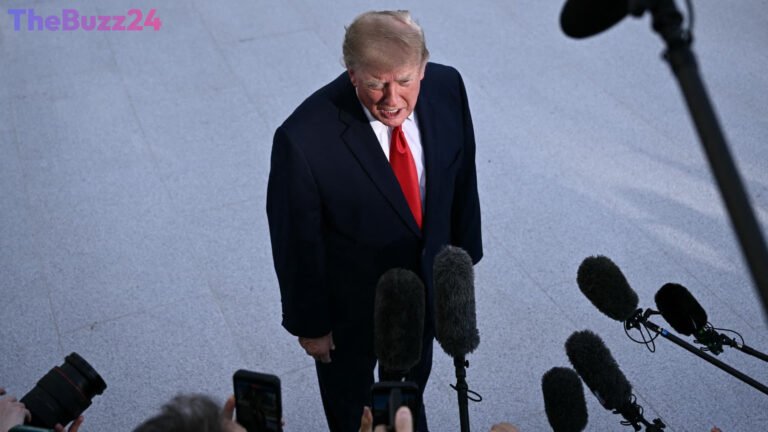
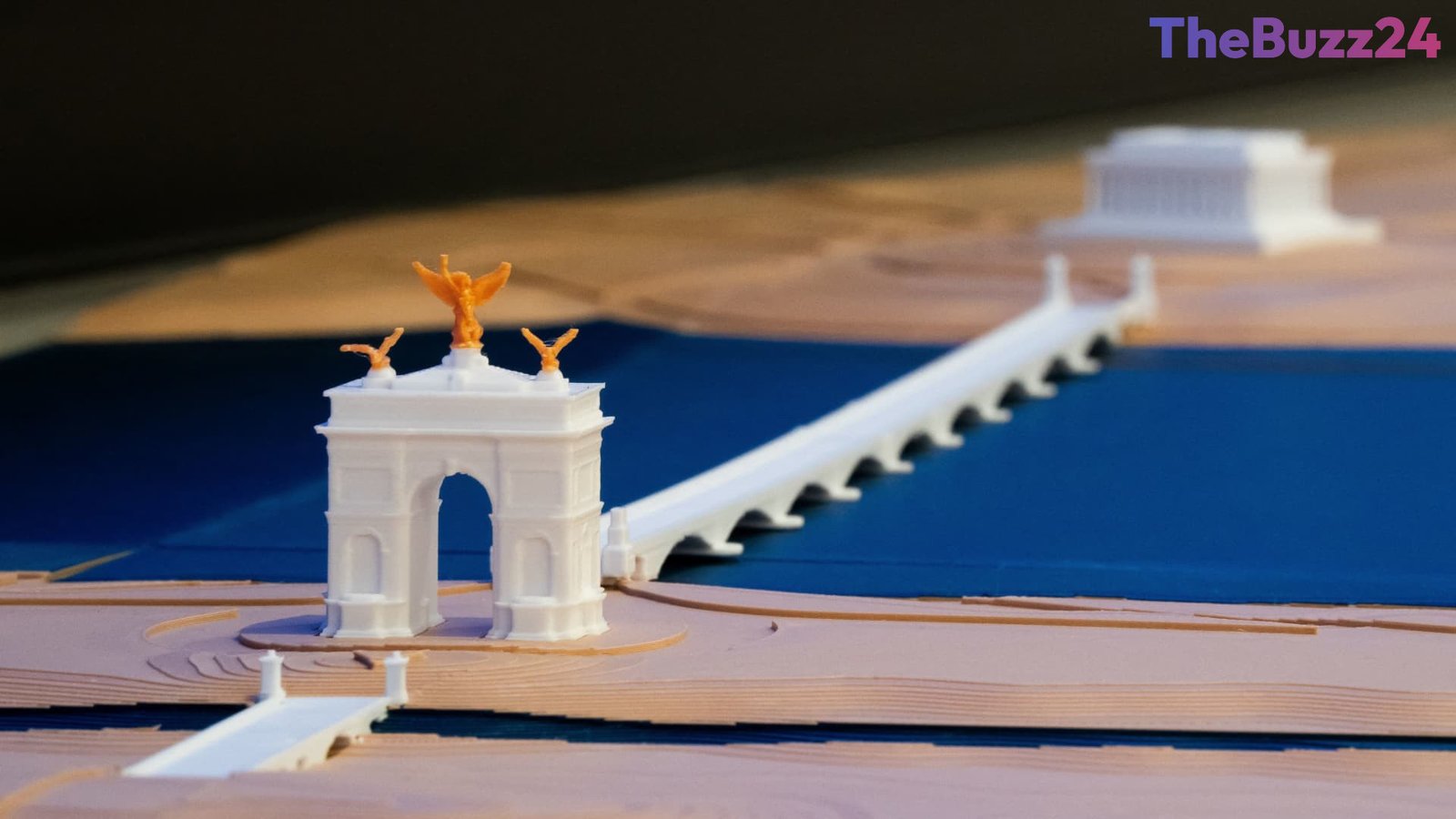
The National Park Service has officially moved forward with its support for a proposed 250-foot Triumphal Arch, a project championed by Donald Trump. The structure is slated for construction at Memorial Circle, a roundabout situated near the primary entrance of Arlington National Cemetery in Virginia. Despite the agency’s own findings that the monument would create significant ‘adverse effects’ on the surrounding historic landscape and skyline, officials argue that the arch aligns with the site’s intended character as a monumental gateway.
In its formal report, the agency acknowledged that the massive structure would impact the visual integrity of several iconic landmarks, including the Lincoln Memorial and the Washington Monument. However, the report suggests that the arch serves as a continuation of a historic planning lineage, intended to celebrate 250 years of American independence. Officials noted that while the project alters sightlines, it does not pose a risk of physical damage to existing historic properties.
Addressing concerns regarding the scale of the project, the agency argued that alternative locations or smaller designs could prove more detrimental. Specifically, the report claims that a smaller structure would likely obstruct the historic view corridor between the Lincoln Memorial and Arlington National Cemetery more severely than the proposed 250-foot design, which is intended to frame the view through its central opening. The proposal has faced intense scrutiny from veterans, conservationists, and lawmakers, with the agency processing over 100,000 public comments during the consultation phases.
Key Takeaways
- The National Park Service has formally backed the construction of a 250-foot Triumphal Arch at Memorial Circle in Virginia.
- The agency admits the project will have 'adverse effects' on historic sightlines, including views of the Lincoln Memorial and Washington Monument.
- Proponents argue the arch serves as a necessary focal point for the site, claiming smaller designs would cause greater visual obstruction.
Editor’s Analysis & Impact
The endorsement of the Triumphal Arch by the National Park Service highlights a complex intersection between modern political legacy projects and federal historic preservation mandates. By acknowledging ‘adverse effects’ while simultaneously greenlighting the project, the agency has set a precedent that prioritizes the ‘intended character’ of a site over the preservation of existing visual corridors. This decision is likely to fuel ongoing litigation and public debate regarding the use of federal land for commemorative structures. From an industry perspective, this case underscores the challenges of integrating large-scale architecture into protected historic districts. Future implications include potential shifts in how federal agencies weigh public sentiment against executive-led infrastructure initiatives, potentially leading to more rigorous oversight requirements for future monumental projects in the nation’s capital.
Frequently Asked Questions
Q: Where is the proposed Triumphal Arch intended to be built?
A: The arch is planned for Memorial Circle, a roundabout located near the main entrance of Arlington National Cemetery in Virginia.
Q: Why does the National Park Service believe the 250-foot height is acceptable?
A: The agency argues that the height and design allow the arch to frame the view between the Lincoln Memorial and Arlington National Cemetery, whereas a smaller structure would likely obstruct that sightline entirely.
AI Disclosure: This article is based on verified data and official reports. Our Team and AI have cross-referenced every financial detail with primary sources to ensure total accuracy.
More from this Category