Nationwide FAA Ground Stop Linked to L3Harris Telecommunications Upgrade
A historic nationwide ground stop that paralyzed U.S. air travel and triggered massive weekend flight cancellations was caused by a technical glitch during an infrastructure upgrade, officials revealed. The unprecedented disruption, which marked the longest halt in flight departures since the September 11 terrorist attacks, stemmed from updates performed on a telecommunications system managed by contractor L3Harris Technologies.
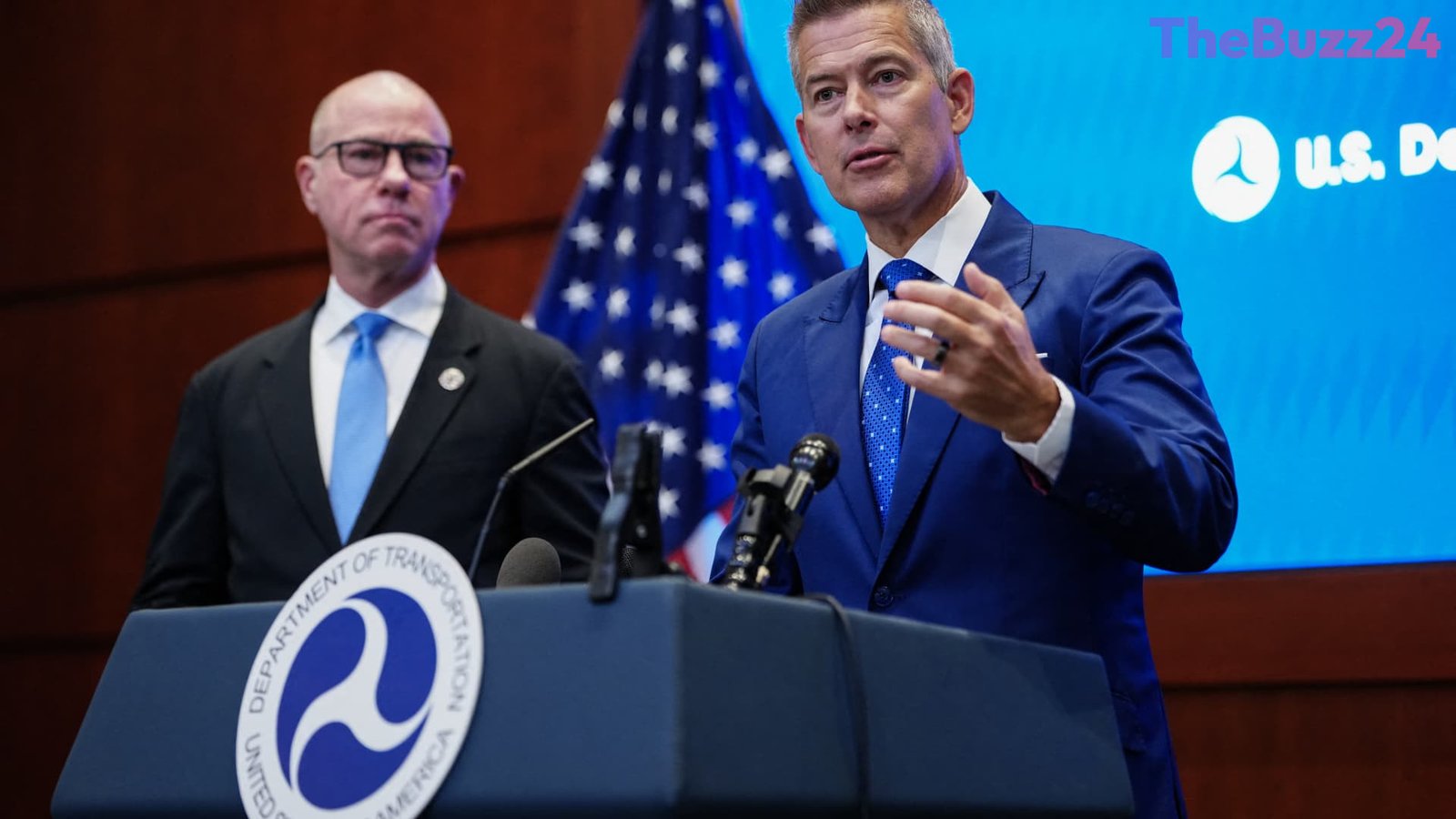
Transportation Secretary Sean Duffy explained that the incident occurred as technicians worked to transition an aging copper wire network to modern fiberoptic cabling. During the process, a newly installed router flooded surrounding air traffic control systems with an overwhelming volume of connection attempts—roughly 1,000 requests every five seconds. This data surge caused severe instability in radar feeds and communication channels, prompting the Federal Aviation Administration to implement a precautionary ground stop to ensure passenger safety.
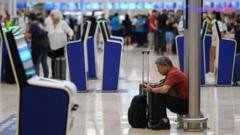
Federal officials quickly ruled out any malicious intent or artificial intelligence involvement. Nevertheless, the resulting logistical nightmare left thousands of passengers stranded, forced sports teams to reschedule events, and prompted major carriers like Delta, American, and United to offer premium incentives to flight crews in an effort to restore normal operations. The crisis has once again ignited intense scrutiny over the state of America’s aging aviation infrastructure, with lawmakers and industry leaders renewing calls for substantial federal investment to modernize air traffic control systems and prevent future nationwide shutdowns.
Key Takeaways
- The nationwide FAA ground stop was triggered by a router update during a transition from copper wire to fiberoptic cables on an L3Harris telecommunications system.
- Officials confirmed there was zero evidence of malicious activity or cyberattacks involved in the network instability.
- Major U.S. airlines offered extra and double pay to flight crews to help recover schedules and reposition stranded aircraft ahead of the holiday period.
Editor’s Analysis & Impact
The recent nationwide FAA ground stop serves as a stark wake-up call regarding the fragility of critical national infrastructure. While the immediate crisis was attributed to a router malfunction during a routine L3Harris upgrade, the underlying issue points to decades of underinvestment in the United States’ air traffic control architecture. The economic fallout extends far beyond delayed passengers and postponed sporting events, inflicting heavy financial losses on commercial airlines that are already grappling with staffing shortages and high operating costs. Moving forward, this incident will likely accelerate legislative pressure for a comprehensive federal overhaul of aviation technology. If private contractors and federal agencies fail to modernize legacy systems safely, the U.S. risks facing more frequent bottlenecks in the world’s busiest airspace, ultimately damaging public confidence in air travel reliability.
Frequently Asked Questions
Q: What caused the nationwide FAA ground stop?
A: The ground stop was caused by a router update during a telecommunications system upgrade by L3Harris, which flooded air traffic control networks with excessive connection attempts and created radar feed instability.
Q: Was the incident a cyberattack?
A: No, federal officials stated there was zero evidence of anything nefarious, foul play, or a cyberattack.
Q: How did airlines respond to the travel disruptions?
A: Airlines offered schedule flexibility with no change fees, while carriers like Delta, American, and United provided extra or double pay to flight attendants and pilots to help position crews and recover flight schedules.
AI Disclosure: This article is based on verified data and official reports. Our Team and AI have cross-referenced every financial detail with primary sources to ensure total accuracy.
More from this Category