NATO Navigates Strategic Shift as U.S. Pushes for European Defense Autonomy
As leaders gather in Ankara for the latest NATO summit, the alliance is navigating a significant transition in its security architecture. U.S. Ambassador to NATO Matthew Whitaker has characterized the current friction regarding defense spending as ‘growing pains’ rather than a systemic crisis, emphasizing that the alliance is undergoing a necessary evolution to ensure long-term stability. The core objective of this shift is for European nations to assume primary responsibility for the conventional defense of their own continent, allowing the United States to recalibrate its role within the organization.
This strategic pivot follows a landmark agreement reached at last year’s summit in The Hague, where allies committed to a defense spending target of 5% of GDP by 2035, with 3.5% specifically earmarked for core defense. While nations such as Poland, Germany, Denmark, and the Baltic states have been recognized for their proactive stance on these requirements, others face complex fiscal constraints that complicate rapid military expansion. The pressure from Washington remains firm, with officials signaling that failure to meet these benchmarks could lead to significant consequences for non-compliant members.
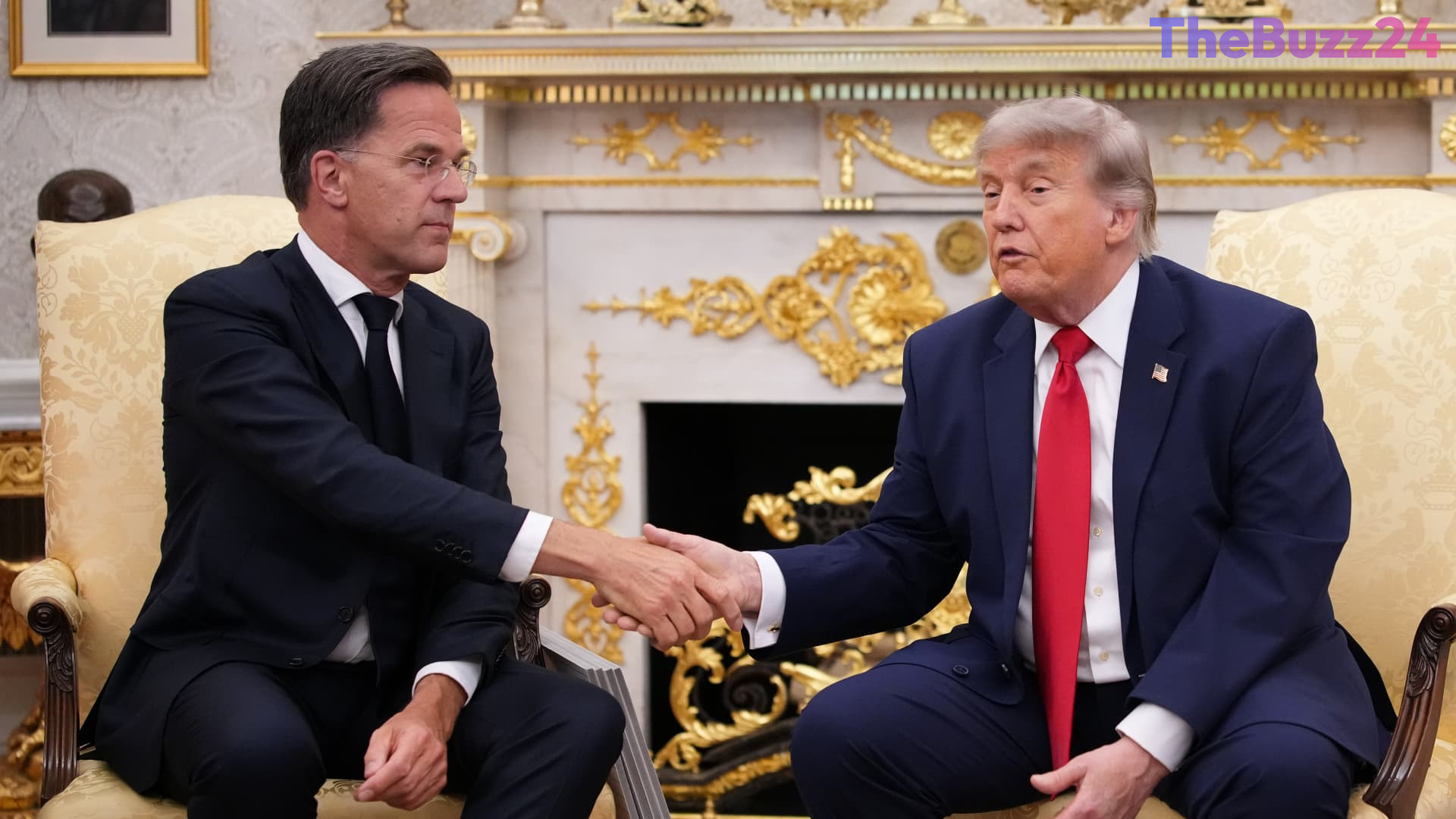
NATO Secretary General Mark Rutte has underscored the urgency of moving beyond mere commitments to achieving tangible military capabilities. As the summit progresses, the focus is shifting toward ‘burden shifting,’ a process that involves streamlining fragmented national defense industries and reducing bureaucratic hurdles. With tens of billions of dollars in new defense contracts expected to be unveiled, the alliance is attempting to revitalize its collective strength and move past a period of relative complacency in European security policy.
Key Takeaways
- NATO allies have committed to a 5% GDP defense spending target by 2035 to bolster European security autonomy.
- The U.S. is shifting its role within the alliance, aiming for European nations to take the lead in conventional continental defense.
- The Ankara summit is expected to focus on industrial integration and the announcement of major new defense contracts to address security gaps.
Editor’s Analysis & Impact
The ongoing transformation of NATO represents a fundamental shift in the transatlantic security paradigm that has defined the post-WWII era. By demanding that European nations take greater financial and operational responsibility, the U.S. is effectively forcing a modernization of the European military-industrial complex. While this creates short-term political friction and budgetary strain for some member states, it is designed to create a more resilient and self-sufficient alliance. The long-term implication is a move toward a multi-polar security framework where the U.S. acts as a strategic partner rather than the sole guarantor of European safety. Success will depend on whether European governments can overcome domestic fiscal resistance and successfully integrate their fragmented defense sectors to meet the ambitious 2035 targets.
Frequently Asked Questions
Q: What is the new defense spending target for NATO members?
A: NATO allies have agreed to a target of 5% of GDP for total defense spending by 2035, with 3.5% of that dedicated specifically to core defense.
Q: Why is the U.S. pushing for changes in NATO defense spending?
A: The U.S. aims to shift the burden of conventional defense to European nations, allowing the U.S. to reduce its direct involvement while ensuring the continent remains secure through increased European military capability.
AI Disclosure: This article is based on verified data and official reports. Our Team and AI have cross-referenced every financial detail with primary sources to ensure total accuracy.
More from this Category