Navigating Global Supply Chains and Resource Allocation: Inside China’s Evolving Tech and Business Sector
China is facing heightened discussions surrounding capital allocation and market dynamics as the country continues its aggressive push into high-tech manufacturing while managing an ongoing shift away from its property sector. During discussions at the recent Bund Summit in Shanghai, representatives from the International Monetary Fund emphasized the necessity of allowing market forces to drive capital distribution rather than relying on selective sector intervention by policymakers. Despite these macro-level policy challenges, domestic enterprises are moving rapidly to capture emerging market opportunities and expand both locally and internationally.
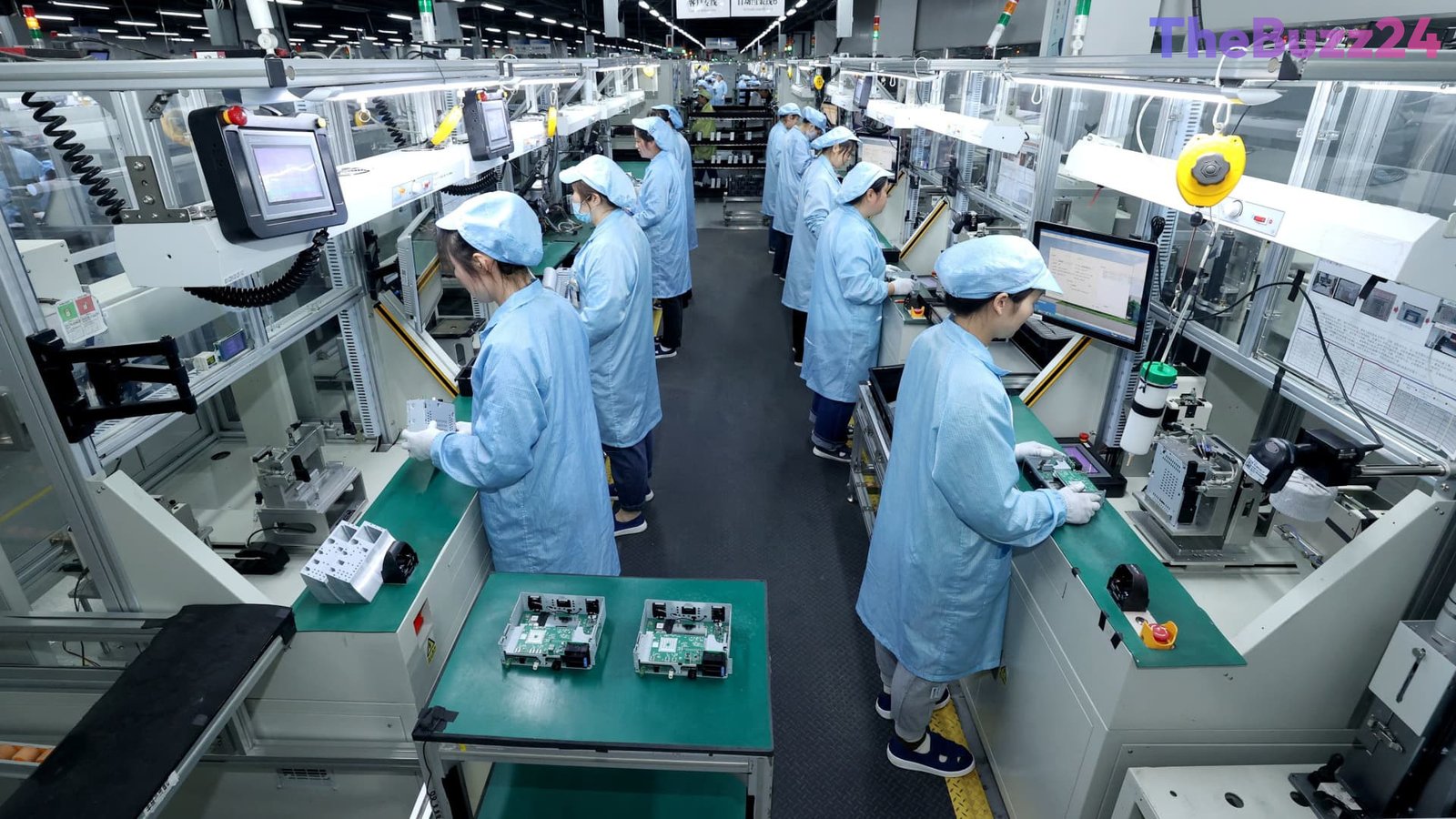
Chinese technology startups and retail innovators are actively pursuing global expansion despite ongoing geopolitical frictions. In Shenzhen, local tech showcases and services operated by companies like INNO100 under the Longham Group are generating substantial monthly revenues through retail, 3D printing services, and public events. The group plans to expand its retail footprint significantly within China while opening international stores to directly engage American consumers. Similarly, sensor manufacturers such as Kunwei Technology, which supplies major domestic humanoid robotics producers, are preparing to establish U.S. manufacturing facilities to serve American startups and navigate supply chain complexities.
Supply chain integration remains a critical factor for hardware companies globally. While some international startups aim to build non-China supply networks to mitigate geopolitical risks, exceptionally long lead times for specialized foreign components highlight the deep integration of Chinese manufacturing in global tech production. Simultaneously, foreign financial institutions are securing deeper access to the domestic market, highlighted by Visa receiving official approval for its bank card business after decades of activity in China, signaling ongoing commercial engagement alongside broader economic discussions.
Key Takeaways
- Economic leaders at the International Monetary Fund urge China to rely more on market forces for capital distribution during its transition away from real estate.
- Chinese technology and robotics firms are actively establishing manufacturing and retail presences in the U.S. to bypass supply chain barriers.
- Visa has officially obtained regulatory approval to operate its bank card business in China, marking a significant milestone for foreign financial firms.
Editor’s Analysis & Impact
China’s ongoing economic transformation highlights a balance between state-guided industrial policy and market-driven growth. As the nation pivots from real estate toward advanced technology, robotics, and consumer electronics, domestic companies are showing high agility by directly targeting international markets despite geopolitical tensions. The persistent reliance on Chinese components in global hardware production underlines the difficulty of decoupling supply chains entirely. Furthermore, the regulatory green light granted to major financial institutions like Visa indicates that economic interdependency remains strong. The coming years will reveal whether market-driven resource allocation can fully absorb structural economic shifts while keeping foreign trade channels viable.
Frequently Asked Questions
Q: What recommendations did international financial experts make regarding China's economic policy?
A: Experts recommended that policymakers avoid picking specific sectors for direct support and instead allow market forces to guide capital allocation, helping correct resource imbalances during the transition away from real estate.
Q: How are Chinese technology companies expanding into the U.S. market?
A: Firms are establishing retail locations and setting up physical manufacturing plants directly within the United States to maintain closer relationships with American startups and mitigate cross-border supply chain friction.
Q: What milestone did Visa recently reach in China?
A: Visa received official regulatory authorization to operate its bank card payment business directly in China following over 40 years of commercial engagement in the country.
AI Disclosure: This article is based on verified data and official reports. Our Team and AI have cross-referenced every financial detail with primary sources to ensure total accuracy.
More from this Category