Navigating Volatility: Jim Cramer’s Call to Remain Invested Despite Market Uncertainty
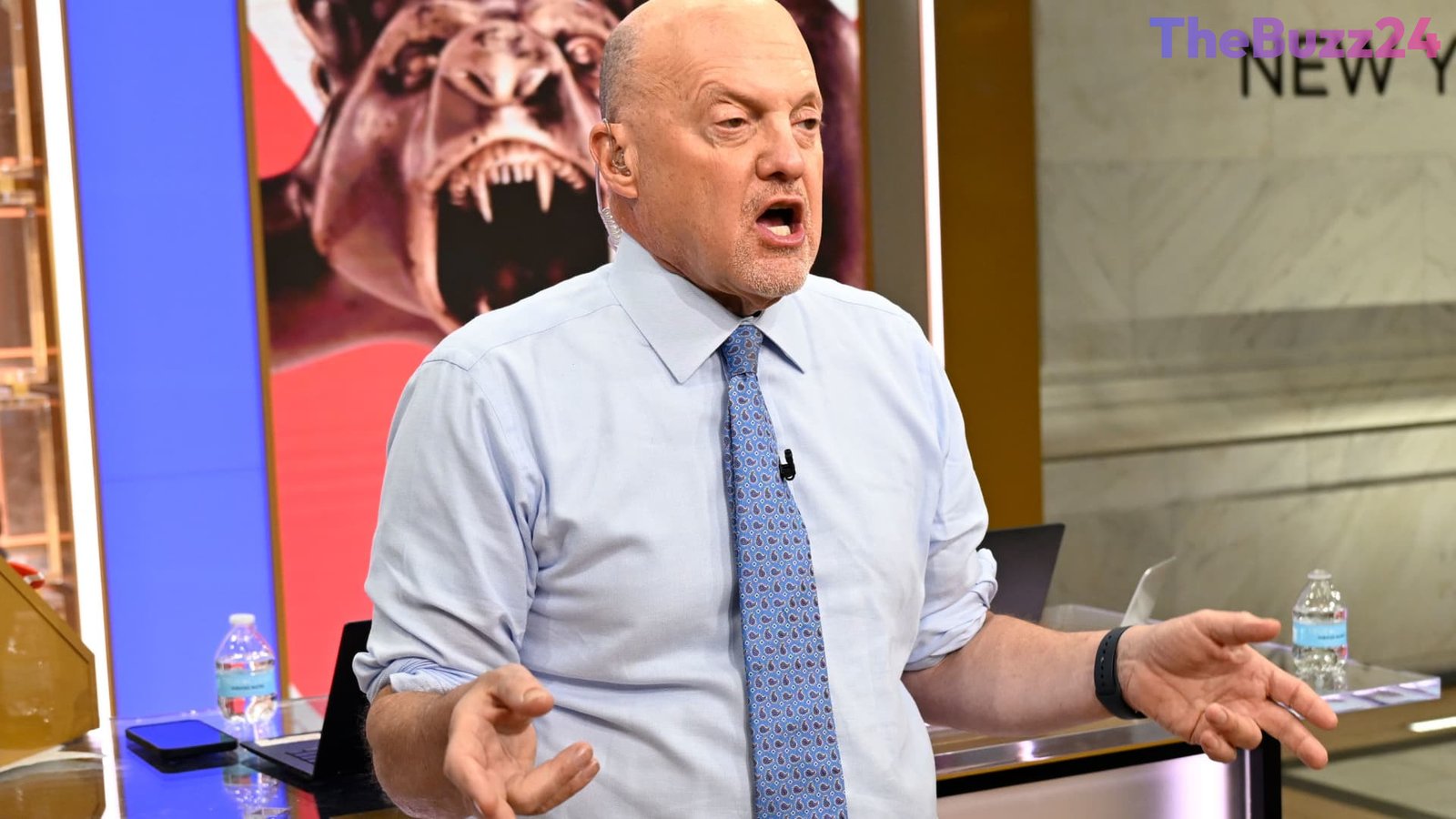
Financial expert Jim Cramer recently urged investors to maintain their positions in the market, despite its current volatility and a series of recent declines. He emphasized that abandoning investments now could lead to missing crucial periods of significant gains, a common pitfall for those who react to short-term downturns.
The market has indeed seen considerable turbulence, with major indices like the S&P 500, Nasdaq, and Dow Jones Industrial Average experiencing notable drops. This unpredictability is fueled by ongoing concerns surrounding inflation, the trajectory of interest rates, and geopolitical tensions. Cramer highlighted that historical data supports his caution, citing analysis indicating that investors who missed just the ten best trading days over nearly two decades (2005-2024) would have accumulated less than half the wealth of those who remained fully invested.
Recent economic indicators have only added to the complexity. A September inflation report showed consumer prices rising more than anticipated, initially pushing Treasury yields higher before an unexpected reversal. This occurred even as oil prices continued their ascent. Typically, elevated inflation signals potential for more aggressive interest rate hikes from the Federal Reserve, yet the market’s reaction has been less straightforward. Corporate earnings reports, such as those from Morgan Stanley and semiconductor equipment maker ASML, also failed to provide clear positive momentum, with stocks falling despite strong underlying results.
Given the conflicting signals from economic data and corporate performance, establishing strong conviction has become challenging for investors. However, Cramer reiterated his warning against divesting entirely, suggesting that while avoiding further losses might seem appealing, the greater risk lies in being absent during the market’s inevitable recovery phases. He even speculated that a resolution to geopolitical conflicts could swiftly ease inflationary pressures by lowering oil prices, potentially reducing the need for further Federal Reserve intervention.
Key Takeaways
- Jim Cramer advises investors to remain invested in the current unpredictable market, despite recent downturns.
- Historical data suggests that missing even a few of the market's 'best days' can significantly diminish long-term investment returns.
- Conflicting economic signals (inflation, interest rates, geopolitics) and mixed corporate earnings make market conviction difficult, but exiting carries the risk of missing future rallies.
Editor’s Analysis & Impact
Jim Cramer’s advice underscores a critical challenge for investors in today’s volatile economic landscape: the psychological battle between fear and the long-term imperative of staying invested. The market’s current state, characterized by inflation concerns, interest rate uncertainty, and geopolitical tensions, creates an environment ripe for panic selling. However, as Cramer highlights with historical data, market recoveries often occur swiftly and unpredictably, making timing the market nearly impossible. This perspective suggests that while short-term losses can be painful, a disciplined, long-term approach remains crucial. The broader implication is that investor behavior, more than specific economic indicators, often dictates individual portfolio performance during periods of high uncertainty, emphasizing the value of resilience and strategic patience.
Frequently Asked Questions
Q: Why does Jim Cramer advise staying invested in an unpredictable market?
A: Cramer argues that attempting to time the market by selling off investments risks missing the few crucial days each year when the majority of market gains are made, significantly impacting long-term returns.
Q: What factors are contributing to the current market unpredictability?
A: Key factors include persistent inflation concerns, uncertainty surrounding future interest rate hikes by the Federal Reserve, and ongoing geopolitical tensions, all of which create conflicting signals for investors.
Q: Does historical data support the idea of staying invested during volatile times?
A: Yes, historical analysis indicates that investors who missed even a small number of the best trading days over several years ended up with significantly less wealth compared to those who remained fully invested.
AI Disclosure: This article is based on verified data and official reports. Our Team and AI have cross-referenced every financial detail with primary sources to ensure total accuracy.
More from this Category