New Democratic Legislation Targets Foreign Influence in U.S. Elections
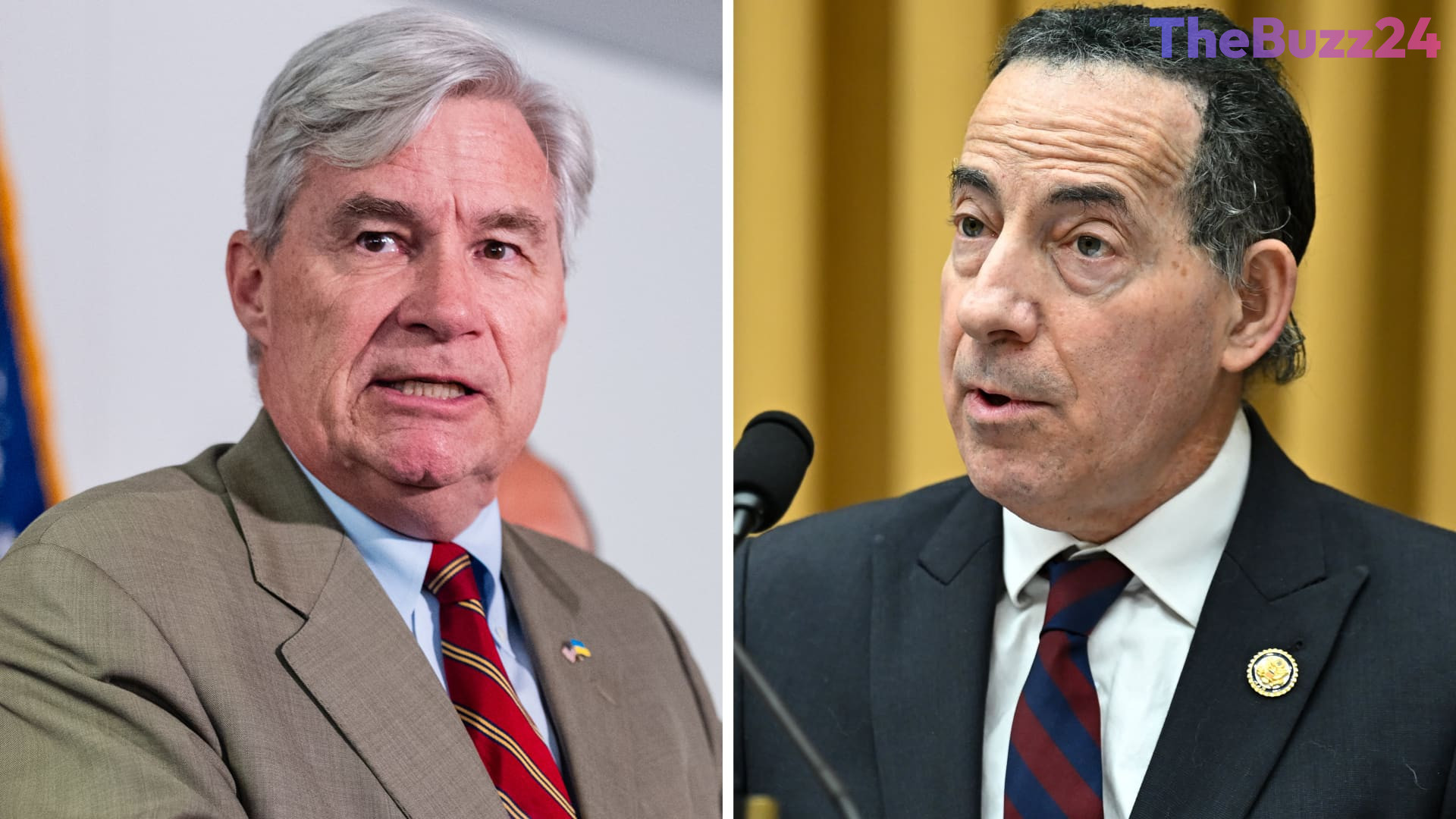
A group of Democratic lawmakers has introduced new legislation aimed at closing perceived loopholes in campaign finance laws that allow foreign-influenced corporations to contribute to U.S. elections. The proposed ‘Get Foreign Money out of U.S. Elections Act,’ spearheaded by Representative Jamie Raskin and Senator Sheldon Whitehouse, seeks to establish specific foreign ownership thresholds that would disqualify certain domestic companies from participating in political spending.
The bill is a direct response to the 2010 Supreme Court ruling in Citizens United, which critics argue opened the door for foreign entities to exert influence over American democratic processes through corporate spending. While federal law already prohibits direct contributions from foreign nationals, the proposed legislation aims to extend these restrictions to U.S.-registered companies that maintain significant foreign equity or control. Under the proposal, entities with 50% foreign ownership or those where a single foreign national holds at least 1% of voting shares could be barred from making political contributions.
Despite gaining support from over 65 House Democrats and 11 Senate co-sponsors, the bill faces a difficult path to enactment given the current political composition of Congress. The push for this legislation coincides with broader concerns regarding the rise of foreign equity in domestic firms and recent judicial decisions that have further deregulated political party spending. Proponents of the bill argue that these measures are essential to ensuring that American elections remain insulated from the interests of foreign oligarchs and international adversaries.
Key Takeaways
- The proposed legislation seeks to ban U.S. companies with significant foreign ownership from making political contributions.
- The bill aims to address loopholes created by the 2010 Citizens United Supreme Court decision.
- The proposal faces significant legislative hurdles and is unlikely to pass in the current Congress.
Editor’s Analysis & Impact
The introduction of this legislation highlights a growing bipartisan and ideological tension regarding the intersection of global capital and national sovereignty. As foreign investment in U.S. corporations continues to reach historic highs, the difficulty of distinguishing between ‘domestic’ and ‘foreign-influenced’ political activity becomes a significant regulatory challenge. If passed, this bill would force a major compliance shift for multinational corporations operating within the U.S., potentially chilling political spending by firms with complex international ownership structures. However, the current legislative gridlock suggests that substantive changes to campaign finance laws remain unlikely in the near term. The broader implication is a persistent, long-term effort by lawmakers to re-examine the role of corporate money in politics, setting the stage for future debates on the limits of the Citizens United precedent.
Frequently Asked Questions
Q: Are foreign nationals currently allowed to contribute to U.S. elections?
A: No, it is already illegal for foreign nationals to contribute directly to U.S. elections; however, this bill seeks to extend those restrictions to U.S.-based companies that have significant foreign ownership.
Q: What is the primary goal of the 'Get Foreign Money out of U.S. Elections Act'?
A: The goal is to prevent foreign-influenced corporations from using their financial resources to influence American elections, ballot initiatives, and referendums.
AI Disclosure: This article is based on verified data and official reports. Our Team and AI have cross-referenced every financial detail with primary sources to ensure total accuracy.
More from this Category