New York City Rent Freeze Approved: A Landmark Shift for Tenants
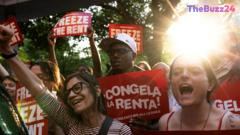
In a significant policy shift for New York City, the Rent Guidelines Board (RGB) has officially approved a rent freeze for approximately one million rent-stabilized apartments. The decision, which covers both one and two-year leases, marks a major fulfillment of a core campaign promise made by Mayor Zohran Mamdani. The policy will apply to rent-stabilized buildings across all five boroughs, effective from October 2026 through September 2027.
The vote, which passed 7-1, followed a period of intense debate regarding the economic pressures facing both tenants and property owners. Supporters of the measure argued that rising costs of living have outpaced wage growth, leaving many residents unable to afford basic housing needs. Conversely, the decision faced sharp criticism from landlord representatives, including the Real Estate Board of New York, which warned that the freeze could lead to reduced investment in building maintenance and accelerated deterioration of the city’s housing stock.
The approval of the freeze was preceded by the resignation of board member Christina Smyth, who alleged that the panel’s outcome was predetermined by the administration. In response, board chair Chantella Mitchell defended the integrity of the process, citing comprehensive data that highlights the severe affordability crisis facing tenants. This move follows a broader trend of political shifts in the city, as Mayor Mamdani continues to implement his platform focused on cost-of-living relief and structural changes to municipal oversight boards.
Key Takeaways
- The New York City Rent Guidelines Board approved a rent freeze for one million rent-stabilized apartments, effective October 2026 to September 2027.
- The policy fulfills a major campaign pledge by Mayor Zohran Mamdani, who restructured the board shortly after taking office.
- Landlord advocacy groups warn that the freeze may lead to deferred maintenance and long-term degradation of the city's rent-stabilized housing stock.
Editor’s Analysis & Impact
The implementation of a city-wide rent freeze represents a bold, albeit controversial, intervention in the New York City real estate market. By prioritizing tenant affordability over landlord profit margins, the administration is signaling a departure from traditional market-based housing policies. The long-term implications of this decision are significant; while it provides immediate relief to renters, it risks creating a capital expenditure deficit for property owners, potentially leading to a decline in the quality of older housing stock. Investors and developers will likely view this as a signal of increased regulatory risk, which could dampen future investment in the city’s rent-stabilized sector. The success of this policy will ultimately be measured by whether the administration can balance tenant protection with the necessary incentives for property upkeep, or if it will inadvertently trigger a decline in housing standards.
Frequently Asked Questions
Q: Which apartments are affected by the rent freeze?
A: The rent freeze applies to rent-stabilized apartments across all five boroughs of New York City.
Q: When does the rent freeze take effect?
A: The rent freeze is scheduled to be in effect from October 2026 through September 2027.
AI Disclosure: This article is based on verified data and official reports. Our Team and AI have cross-referenced every financial detail with primary sources to ensure total accuracy.
More from this Category