NFL Urges Supreme Court: Prediction Markets Are Gambling, Not Federal Swaps
The National Football League is intensifying its push for state-level regulation of prediction markets, formally urging the Supreme Court to classify these platforms as gambling rather than financial swaps. This intervention comes in an amicus brief supporting New Jersey regulators in their legal challenge against Kalshi, a prominent prediction market operator. The league contends that such contracts are fundamentally a form of betting, not sophisticated financial instruments that should be exclusively overseen by federal agencies.
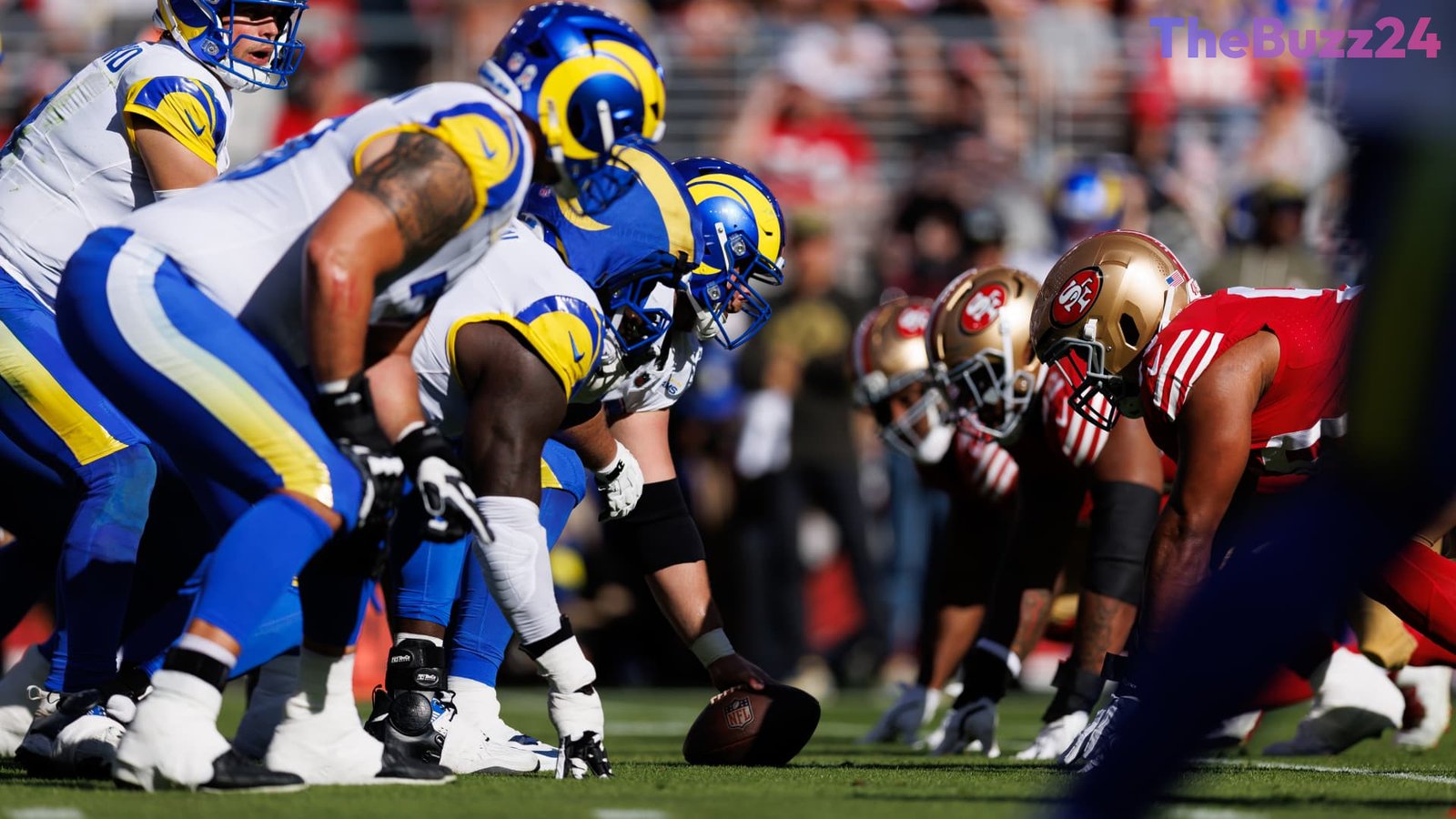
Highlighting the substantial volume within these markets, the NFL pointed out that football-related prediction contracts generated $1.8 billion in trading on the season’s opening Sunday, comprising more than half of the total market activity. The league’s primary apprehension centers on the vulnerability of certain contracts to manipulation, citing examples like a kicker intentionally missing a field goal or a wide receiver fumbling a pass. Concerns also extend to wagers tied to player injuries, officiating decisions, and other sensitive information that could be exploited by insiders.
A critical point of contention for the NFL is the age requirement for participants, advocating for a minimum of 21 years, consistent with most state regulations for traditional sports betting. This contrasts with platforms like Kalshi, which permit individuals as young as 18 to participate. The league asserts that neither the Commodity Futures Trading Commission (CFTC) nor the prediction market companies themselves have sufficiently addressed the risks of manipulation or adopted the requested age limits, despite repeated appeals. Emphasizing the paramount importance of game integrity, the NFL has steadfastly maintained an advertising ban on prediction platforms.
This cautious approach by the NFL, NBA, and PGA stands in contrast to other major sports organizations, including the NHL, MLB, Major League Soccer, and UFC, which have established partnerships with prediction market platforms like Kalshi and Polymarket. Commissioner Roger Goodell has articulated the league’s patient stance, stressing the necessity for robust protections before the NFL would consider engaging with these emerging markets. The legal landscape remains complex, with federal appeals courts issuing divergent decisions on the extent to which states can enforce their gambling laws in areas potentially overlapping with federal regulatory oversight, such as that of the Commodity Futures Trading Commission. The NFL’s brief firmly asserts that the regulation of gambling falls squarely within states’ sovereign police powers, challenging the constitutional authority for federal intervention to supersede these traditional state prerogatives in intrastate gambling.
Key Takeaways
- The NFL is urging the Supreme Court to classify prediction markets as gambling, subject to state regulation, rather than as financial swaps under federal oversight.
- The league expresses significant concerns about market manipulation, the potential for insider information exploitation, and the current 18+ age limit on platforms like Kalshi.
- While other major sports leagues have partnered with prediction market platforms, the NFL maintains a cautious stance, prioritizing game integrity and advocating for stronger regulatory protections.
Editor’s Analysis & Impact
The NFL’s intervention at the Supreme Court could significantly reshape the burgeoning prediction market industry. A ruling in favor of the NFL’s position would likely shift regulatory authority from a federal financial framework to a fragmented system of state-level gambling laws, potentially increasing compliance costs and operational complexities for platforms like Kalshi. This could slow the industry’s growth and necessitate substantial changes to their business models.
The future outlook for prediction markets hinges on this legal precedent. If classified as gambling, it could legitimize state oversight and potentially open doors for more traditional gambling operators. Conversely, if the federal financial classification prevails, it could streamline operations but might not address the integrity concerns raised by sports leagues. Broader implications include a clearer definition of what constitutes a ‘financial product’ versus ‘gambling’ in the digital age, impacting innovation and regulation across various emerging markets.
Frequently Asked Questions
Q: What is the NFL's main argument regarding prediction markets?
A: The NFL argues that prediction markets are essentially a form of gambling and should therefore be regulated by individual states, rather than being classified as financial swaps under federal oversight by the Commodity Futures Trading Commission (CFTC).
Q: Why is the NFL concerned about prediction markets?
A: The league's concerns include the potential for market manipulation in contracts related to specific game events (like fumbles or field goals), the exploitation of insider information (injuries, officiating), and the current age limit of 18 on some platforms, which is lower than the 21+ age typically mandated for sports betting in most states.
Q: How do other sports leagues view prediction markets?
A: In contrast to the NFL's cautious approach, several other major sports leagues, including the NHL, MLB, Major League Soccer, and UFC, have formed partnerships with prediction market platforms like Kalshi and Polymarket.
AI Disclosure: This article is based on verified data and official reports. Our Team and AI have cross-referenced every financial detail with primary sources to ensure total accuracy.
More from this Category