Nicaragua Moves to Extend Presidential Terms Amid Constitutional Overhaul
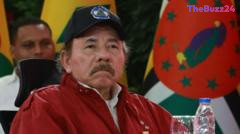
Nicaraguan President Daniel Ortega has introduced a significant proposal to extend the presidential term by an additional year, a move expected to be ratified by the government-controlled National Assembly this September. This legislative adjustment is part of a broader constitutional reform package that seeks to further consolidate executive power. Among the most controversial aspects of the proposal is a provision that would formally bar opposition figures labeled as ‘traitors’ or ‘coup plotters’ from participating in future electoral processes.
Ortega, who has maintained a grip on the presidency since 2007, has overseen a series of legislative changes throughout his 19-year tenure. These include the 2014 removal of presidential term limits and a 2024 extension of the term length from five to six years. Furthermore, the administration has solidified the role of Vice President Rosario Murillo as ‘co-president,’ a title that ensures a clear line of succession should Ortega, who is 80 years old, become unable to fulfill his duties.
The political landscape in Nicaragua remains heavily restricted following the 2021 presidential elections, during which primary opposition candidates were either detained, disqualified, or forced into exile. International observers and human rights organizations have noted a steady erosion of the rule of law, with the government intensifying its crackdown on dissent. Since the suppression of anti-government protests in 2018, the administration has continued to strip political opponents of their citizenship and seize their assets, effectively silencing internal opposition.
Key Takeaways
- President Daniel Ortega has proposed extending the presidential term by one year, with legislative approval expected shortly.
- The constitutional reform includes measures to permanently disqualify opposition members deemed 'traitors' from running for office.
- Rosario Murillo remains the designated successor as 'co-president,' solidifying the current administration's control over the executive branch.
Editor’s Analysis & Impact
The proposed constitutional changes in Nicaragua represent a definitive shift toward a more rigid, centralized authoritarian structure. By codifying the exclusion of political rivals and extending term lengths, the Ortega-Murillo administration is effectively insulating itself from democratic turnover. From a geopolitical perspective, this move signals a rejection of international calls for electoral transparency and human rights protections. The long-term outlook for Nicaragua suggests continued isolation from Western democratic institutions and a potential increase in regional instability as the government further criminalizes political dissent. Investors and international observers should anticipate a sustained period of political volatility, as the narrowing of legal avenues for opposition participation often leads to increased underground resistance and further erosion of the country’s institutional integrity.
Frequently Asked Questions
Q: What is the role of the 'co-president' in Nicaragua?
A: The title of 'co-president' was granted to Rosario Murillo to ensure she can immediately assume the presidency if Daniel Ortega is declared permanently absent or unable to serve.
Q: How has the Nicaraguan government handled political opposition in recent years?
A: The government has systematically detained, disqualified, or forced opposition candidates into exile, while also stripping many dissidents of their citizenship and seizing their property.
AI Disclosure: This article is based on verified data and official reports. Our Team and AI have cross-referenced every financial detail with primary sources to ensure total accuracy.
More from this Category