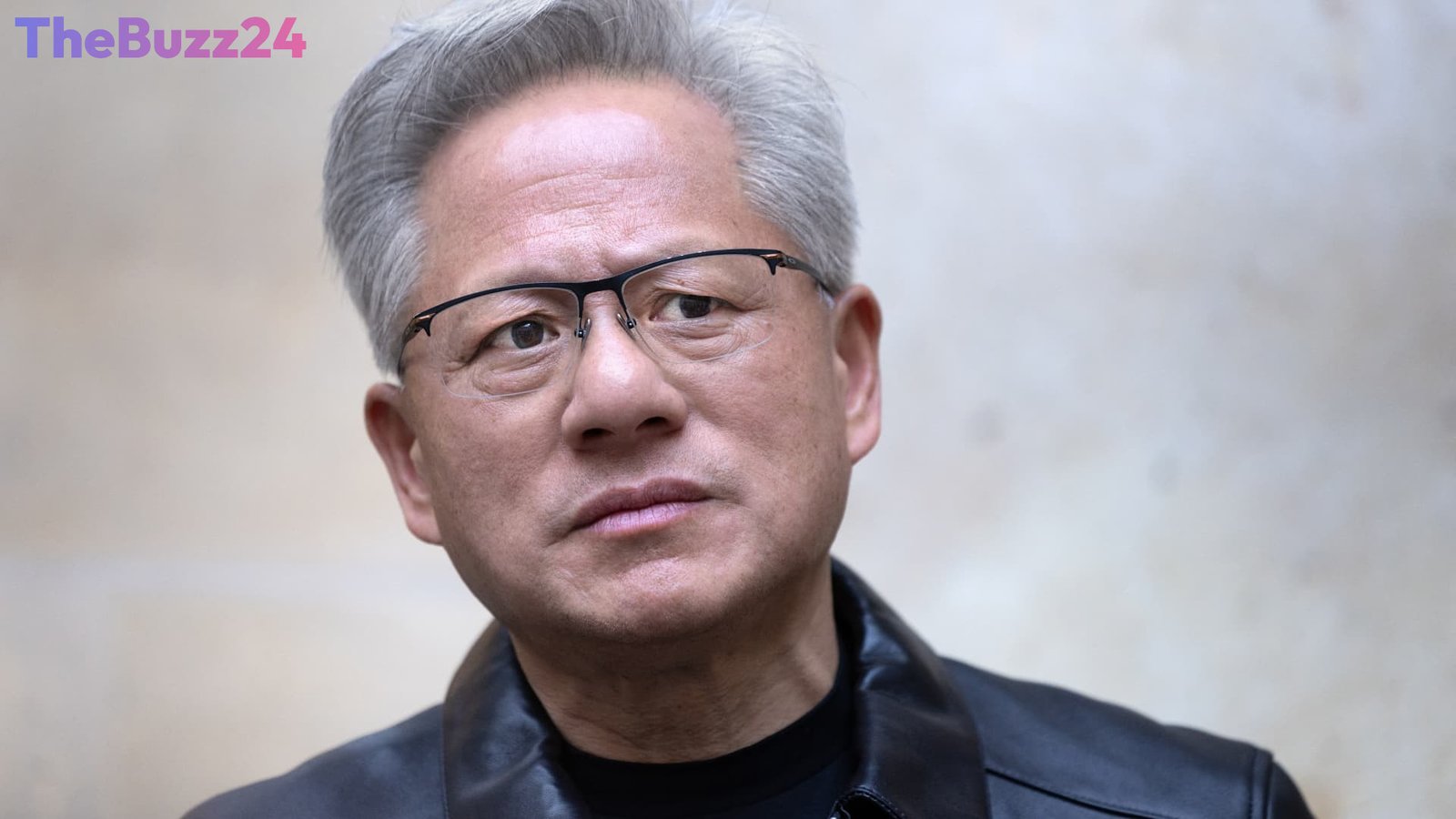
Nvidia Faces Leadership Crisis as CEO Jensen Huang Resigns Amid Revelations
Nvidia, a titan in the artificial intelligence chip industry, is navigating a significant leadership upheaval following the abrupt resignation of its CEO, Jensen Huang. The departure, announced Thursday, comes in the wake of multiple reports detailing personal relationships with subordinates, including an executive who reported directly to him and a second employee. These revelations have cast a shadow over the company’s future and raised concerns among investors.
Longtime Chief Financial Officer Colette Kress has been appointed interim CEO, tasked with steering Nvidia through this turbulent period. The company’s stock experienced a notable downturn following the news, reflecting investor anxiety about the implications of Huang’s exit. Analysts are closely watching how Kress and the executive team will manage the company’s strategic investments and maintain its dominant position in the rapidly evolving AI market.
Huang’s tenure was marked by ambitious investments aimed at solidifying Nvidia’s influence across the AI landscape. These included substantial stakes in companies like Intel and AI cloud provider CoreWeave. Questions now arise regarding the future of these strategic holdings and whether new leadership will adopt a more conservative approach to capital allocation, potentially prioritizing shareholder returns through buybacks.
The situation is further complicated by ongoing investigations into Huang’s conduct and potential violations of U.S. chip export regulations, which could lead to international sanctions. Meanwhile, competitors such as Advanced Micro Devices are intensifying their efforts in the AI chip sector, posing a challenge to Nvidia’s market leadership. Despite these headwinds, Nvidia’s core business fundamentals, including strong cash reserves and a promising product roadmap, remain a source of confidence for some observers.
Key Takeaways
- Nvidia CEO Jensen Huang has resigned following reports of affairs with employees.
- CFO Colette Kress has been named interim CEO, and the company's stock has seen a significant decline.
- The company faces investigations and increasing competition, raising concerns about its future market position and strategic investments.
Editor’s Analysis & Impact
Jensen Huang’s resignation marks a critical juncture for Nvidia, a company that has become synonymous with the AI revolution. While the personal conduct revelations are concerning, the broader market impact hinges on Nvidia’s ability to maintain its technological edge and market dominance under new leadership. The company’s extensive investment portfolio and its strategic importance in global AI development mean that stability and clear direction are paramount. Competitors are poised to capitalize on any perceived weakness, making the transition period crucial for Nvidia’s long-term outlook. The investigations add another layer of risk, potentially impacting international operations and investor confidence.
Frequently Asked Questions
Q: Who has replaced Jensen Huang as interim CEO of Nvidia?
A: Colette Kress, Nvidia's longtime Chief Financial Officer, has been appointed as the interim CEO.
Q: What has caused Jensen Huang's resignation?
A: Jensen Huang resigned following reports of personal relationships with employees, including an executive who reported to him, and allegations of an affair with an executive at a Singapore-based company suspected of spying for China.
Q: How has Nvidia's stock performed following the news?
A: Nvidia's stock experienced a significant drop following the announcement of Huang's resignation, with shares falling more than 4% on Thursday and reaching lows of over 14% down at one point.
AI Disclosure: This article is based on verified data and official reports. Our Team and AI have cross-referenced every financial detail with primary sources to ensure total accuracy.
More from this Category