Oil Markets Rally as Geopolitical Tensions Over Iran Resurface
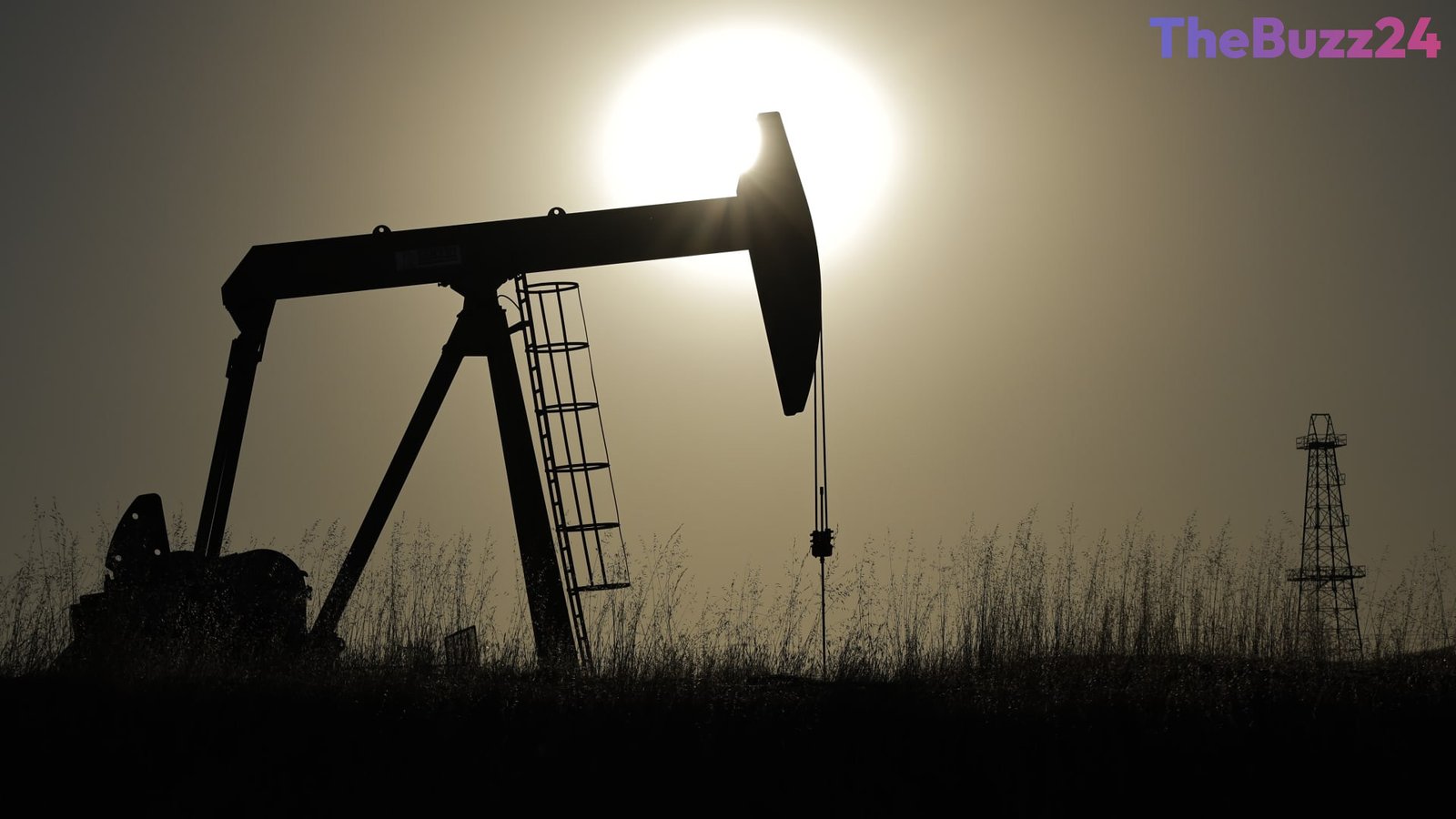
Global oil prices experienced a notable surge on Thursday, reversing recent downward trends as renewed rhetoric regarding the conflict between the United States and Iran heightened supply concerns. Brent crude climbed 1.9% to reach $94.48 per barrel, while West Texas Intermediate (WTI) futures saw a 2% increase, settling at $88.19 per barrel.
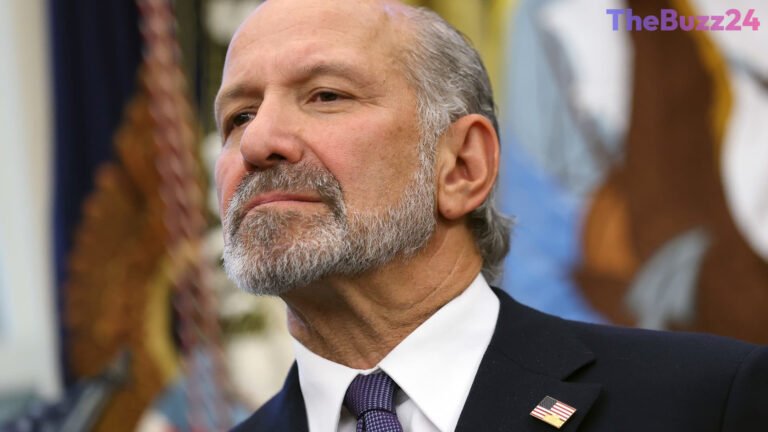
The market shift followed a public statement from former President Donald Trump, who suggested that a formal agreement with Iran is no longer a priority. Emphasizing the U.S. strategic position, Trump noted that the country maintains control over the Strait of Hormuz and holds significant Iranian financial assets, signaling a hardening stance that contradicts earlier market optimism regarding a potential de-escalation of hostilities.
This volatility follows a period of decline for oil prices throughout November, during which Brent and WTI had fallen by 20% and 16%, respectively, on hopes that diplomatic progress would prevent further disruptions to Middle Eastern energy infrastructure. Analysts now warn that the market may have prematurely priced in a resolution to the conflict. The uncertainty surrounding the security of the Strait of Hormuz remains a primary driver for the current price premium, as industry experts suggest that the underlying negotiating positions of both nations remain fundamentally unchanged.
Key Takeaways
- Oil prices rebounded significantly as market sentiment shifted away from expectations of a quick resolution to the U.S.-Iran conflict.
- Statements regarding the strategic control of the Strait of Hormuz have reignited fears of supply chain disruptions in the Middle East.
- Despite recent price drops earlier in the month, the lack of progress in diplomatic negotiations is keeping a security premium on global crude prices.
Editor’s Analysis & Impact
The recent volatility in oil prices underscores the extreme sensitivity of energy markets to geopolitical rhetoric. While the market had previously attempted to price in a ‘peace dividend’ following reports of potential de-escalation, the reality of the entrenched positions held by both Washington and Tehran continues to pose a systemic risk to global supply chains. The Strait of Hormuz remains a critical chokepoint; any sustained escalation or perceived threat to shipping lanes will likely keep upward pressure on crude prices. Looking ahead, investors should expect continued instability as long as the economic blockade remains the primary tool of U.S. policy, as this strategy risks forcing retaliatory actions from Iran that could further tighten global oil availability and exacerbate inflationary pressures.
Frequently Asked Questions
Q: Why did oil prices rise after the recent comments?
A: Prices rose because the comments signaled that a diplomatic resolution to the U.S.-Iran conflict is not imminent, reigniting fears of supply disruptions in the Middle East.
Q: What is the significance of the Strait of Hormuz in this context?
A: The Strait of Hormuz is a vital maritime chokepoint for global oil shipments. Threats to the security of this passage often lead to immediate spikes in oil prices due to the risk of supply blockades.
AI Disclosure: This article is based on verified data and official reports. Our Team and AI have cross-referenced every financial detail with primary sources to ensure total accuracy.
More from this Category