Oil Prices Slide as Israel-Hezbollah Ceasefire Agreement Eases Geopolitical Risk
Global oil benchmarks reversed earlier gains on Friday, turning negative following reports of a ceasefire agreement between Israel and Hezbollah. The truce, scheduled to take effect at 4:00 p.m. local time, prompted a swift reaction in energy markets. Brent crude futures slipped 1% to trade around $79.02 per barrel, while U.S. West Texas Intermediate (WTI) fell 0.8% to $75.96. Both benchmarks are pacing toward a weekly decline of approximately 8%, reflecting easing geopolitical risk premiums.
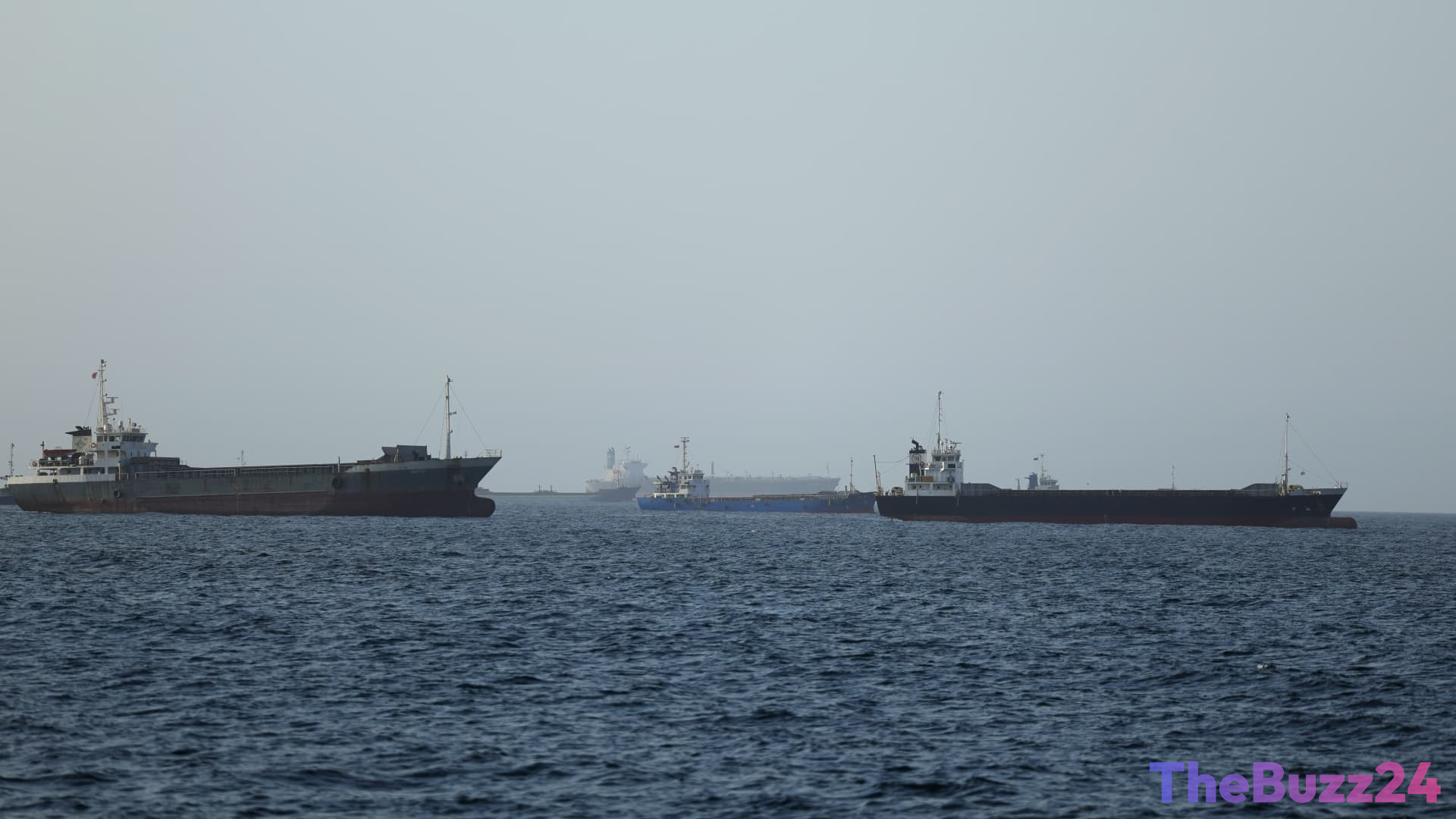
The diplomatic breakthrough occurred despite a sudden halt in parallel negotiations. Scheduled talks between the United States and Iran in Switzerland were unexpectedly canceled, with the White House citing logistical challenges that prevented Vice President JD Vance from traveling to the venue. Nevertheless, security conditions in the critical Strait of Hormuz have shown signs of stabilization. According to official statements, Iranian forces refrained from targeting commercial vessels for two consecutive nights, allowing over 12 million barrels of crude to transit safely.
Meanwhile, OPEC has pushed back against long-term bearish forecasts for the energy sector. OPEC Secretary General Haitham Al Ghais dismissed projections from the International Energy Agency (IEA) suggesting that global oil demand is nearing its peak or that a massive supply glut is on the horizon. Al Ghais emphasized that the organization remains focused on current market fundamentals and hard data rather than speculative scenarios.
Market analysts urge caution despite the positive momentum of the 60-day truce. While the conditional reopening of the Strait of Hormuz and the lifting of shipping restrictions have eased immediate supply fears, full normalization remains a work in progress. Major shipping lines have yet to fully resume regular routes, and maritime insurance premiums remain elevated. Experts predict oil prices will likely consolidate between $75 and $82 per barrel in the near term as the market monitors the durability of the ceasefire.
Key Takeaways
- Oil prices fell, with Brent dropping to $79.02 and WTI to $75.96, following the announcement of an Israel-Hezbollah ceasefire.
- Despite the cancellation of U.S.-Iran talks in Switzerland, shipping security in the Strait of Hormuz has temporarily improved with no recent attacks reported.
- OPEC leadership rejected IEA forecasts of an impending peak in oil demand, reaffirming their focus on robust market fundamentals.
Editor’s Analysis & Impact
The sudden drop in oil prices highlights how quickly geopolitical risk premiums can evaporate when diplomatic progress is made. However, the market’s reaction also reveals underlying skepticism. While a 60-day truce between Israel and Hezbollah is a significant step toward regional stability, the abrupt cancellation of U.S.-Iran talks in Switzerland serves as a reminder that the broader geopolitical landscape remains highly volatile. Furthermore, the physical reality of shipping has not yet caught up with diplomatic optimism; high insurance rates and hesitant transit lines indicate that traders are pricing in the risk of a fragile peace. OPEC’s firm stance against demand-peak theories suggests a divergence in long-term market outlooks between producers and international energy watchdogs, pointing to continued volatility as supply-demand dynamics are continuously reassessed.
Frequently Asked Questions
Q: Why did oil prices drop despite the cancellation of U.S.-Iran talks?
A: Oil prices fell primarily due to the announcement of a ceasefire agreement between Israel and Hezbollah, which significantly reduced immediate fears of a wider regional conflict and supply disruptions.
Q: What is the current status of shipping in the Strait of Hormuz?
A: Shipping has temporarily stabilized, with millions of barrels transiting safely without interference. However, major shipping lines remain cautious, and insurance rates for vessels in the region remain elevated.
Q: How does OPEC view the future of global oil demand?
A: OPEC rejects forecasts that global oil demand will peak in the near future, dismissing predictions of an upcoming supply glut and emphasizing strong current market fundamentals.
AI Disclosure: This article is based on verified data and official reports. Our Team and AI have cross-referenced every financial detail with primary sources to ensure total accuracy.
More from this Category