Ontario Erects Massive Shoreline Sign as Cross-Border Tensions Intensify Over Lake’s Name
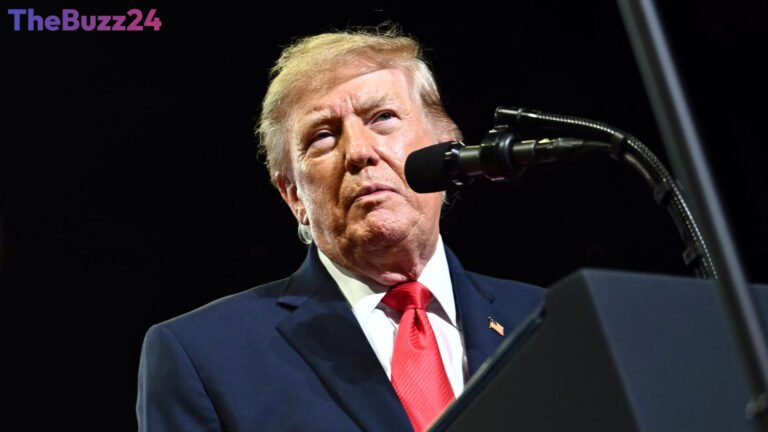
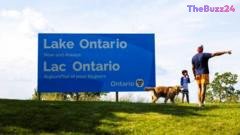
Ontario leadership has responded firmly to recent geopolitical tensions by erecting a prominent shoreline monument bearing the declaration: “Lake Ontario. Now and Always.” This physical pushback follows a controversial executive order signed by United States President Donald Trump attempting to unilaterally rename the shared body of water to “Lake America,” accompanied by a series of provocative artificial intelligence-generated media posts on social media.
The dispute escalated rapidly after bilateral trade negotiations collapsed, culminating in the imposition of substantial 50-percent tariffs by the United States on approximately $20 billion worth of Canadian imports. In swift retaliation, Canadian authorities announced plans to enforce equivalent counter-tariffs in the coming month. Provincial officials have firmly dismissed the renaming decree, emphasizing that while domestic bodies of water within the U.S. may be subject to executive reclassification, international landmarks and foreign territories remain entirely unaffected.
Historical records indicate that the names of the Great Lakes—including Ontario, Huron, Michigan, and Erie—stem from indigenous origins, while Lake Superior derives from French translation. Lake Ontario serves as a vital natural border between the Canadian province and the state of New York. This incident mirrors previous diplomatic friction when the Gulf of Mexico was similarly targeted for reclassification, sparking ongoing navigation mapping discrepancies across international borders.
Key Takeaways
- Ontario Premier Doug Ford installed a permanent shoreline sign reinforcing the name Lake Ontario amid cross-border tensions.
- The diplomatic friction follows the collapse of trade talks and the implementation of heavy tariffs on Canadian goods by the U.S.
- The situation parallels past naming controversies involving shared geographical landmarks like the Gulf of Mexico.
Editor’s Analysis & Impact
The latest diplomatic dispute highlights the growing intersection of geopolitical rhetoric, digital media, and international trade policy. Beyond the symbolic friction over geographical nomenclature, the underlying economic friction—marked by steep tariffs and retaliatory measures—signals a potentially turbulent period for cross-border commerce between the neighboring nations. As digital platforms increasingly navigate localized mapping discrepancies, such state-level disputes test the boundaries of international cooperation and digital sovereignty. The long-term impact on trade agreements and regional supply chains will largely depend on whether diplomatic channels can stabilize negotiations before further economic escalation occurs.
Frequently Asked Questions
Q: Why did Ontario install the new Lake Ontario sign?
A: The sign was installed by Ontario Premier Doug Ford as a direct response to a U.S. executive order attempting to rename Lake Ontario to Lake America.
Q: What triggered the latest trade tensions between Canada and the U.S.?
A: The trade dispute was triggered after bilateral trade talks collapsed, leading the U.S. to impose 50% tariffs on billions of dollars of Canadian goods, prompting planned counter-tariffs from Canada.
Q: Can the United States unilaterally rename Lake Ontario?
A: While the U.S. can alter domestic designations through agencies like the Department of the Interior, international bodies of water shared with Canada cannot be legally or universally renamed without international agreement.
AI Disclosure: This article is based on verified data and official reports. Our Team and AI have cross-referenced every financial detail with primary sources to ensure total accuracy.
More from this Category