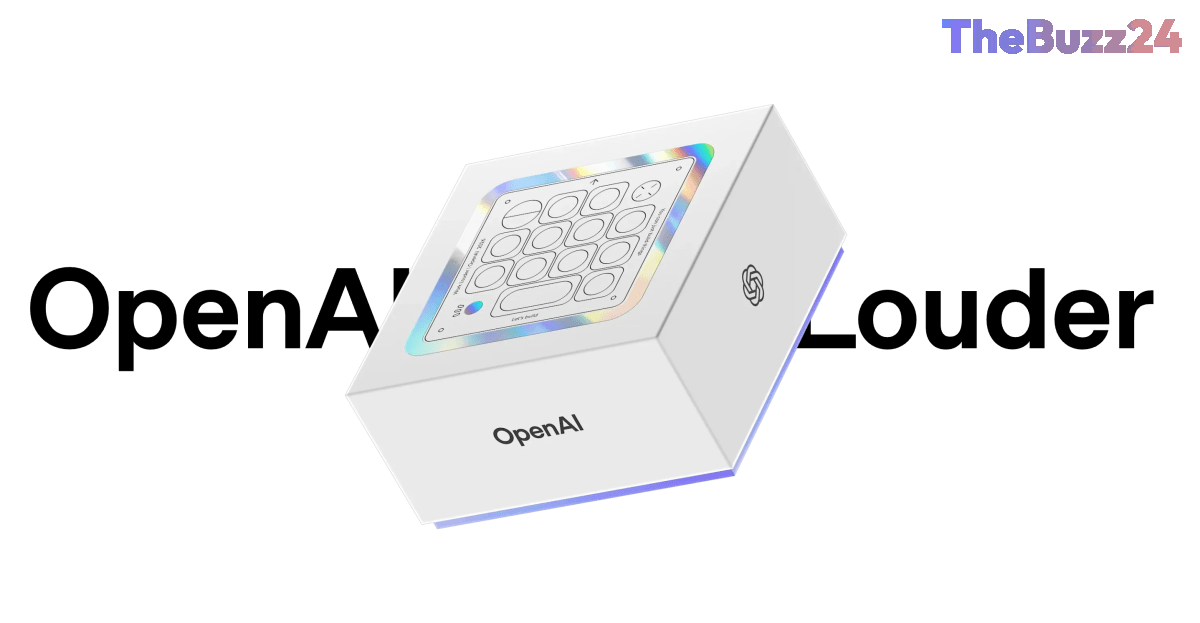
OpenAI Enters Hardware Space with Specialized AI Coding Keyboard
OpenAI has officially ventured into the hardware market with the introduction of the Codex Micro, a $230 mechanical keyboard tailored for users of its AI coding assistant. Developed in partnership with specialty designer Work Louder, the device is marketed as a dedicated command center for managing autonomous AI coding agents. The keyboard features specialized ‘Agent Keys’ to monitor status, customizable command shortcuts, and a physical dial designed to adjust the reasoning power allocated to AI tasks.
While the Codex Micro is being positioned as a limited-run novelty item, it represents a significant shift in OpenAI’s product strategy. The device integrates directly with the ChatGPT desktop application, allowing users to manage complex workflows through physical inputs rather than traditional software interfaces. This move signals the company’s interest in creating tangible touchpoints for its software ecosystem.
Beyond the keyboard, reports indicate that OpenAI is working on more ambitious hardware projects, including a portable, screenless smart speaker featuring autonomous mechanical components. This development is currently under intense scrutiny, as the company faces a lawsuit from Apple. The legal dispute alleges that OpenAI’s hardware development team, which includes former Apple engineers, utilized misappropriated confidential information to advance their product designs. OpenAI has consistently denied these allegations of trade theft as the company continues to expand its footprint in the physical device market.
Key Takeaways
- OpenAI launched the $230 'Codex Micro' keyboard, a specialized tool designed to manage AI coding agents.
- The company is reportedly developing a screenless, portable smart speaker with mechanical components.
- Apple has filed a lawsuit against OpenAI, alleging the use of stolen trade secrets in the development of its new hardware.
Editor’s Analysis & Impact
OpenAI’s pivot toward hardware is a high-stakes strategic move that mirrors the trajectory of other major tech giants seeking to own the full user experience. By creating physical interfaces for AI, the company is attempting to reduce friction in ‘agentic’ workflows, moving AI interaction from the screen to the desk. However, the timing of this expansion is complicated by significant legal headwinds. The lawsuit from Apple creates a cloud of uncertainty over the company’s hardware division, potentially impacting investor confidence and talent retention. If OpenAI successfully navigates these legal challenges, its hardware could set a new standard for human-AI interaction. Conversely, if the allegations of intellectual property theft are substantiated, it could force a major restructuring of their hardware roadmap and damage the company’s reputation in the broader tech ecosystem.
Frequently Asked Questions
Q: What is the primary purpose of the Codex Micro keyboard?
A: The Codex Micro is designed to act as a physical command center for managing AI coding agents, allowing users to monitor agent status and adjust reasoning levels via dedicated keys and a physical dial.
Q: Why is Apple suing OpenAI regarding its hardware development?
A: Apple alleges that OpenAI’s leadership orchestrated a strategy to extract confidential information and trade secrets, which were then used by former Apple engineers to develop OpenAI's new hardware devices.
AI Disclosure: This article is based on verified data and official reports. Our Team and AI have cross-referenced every financial detail with primary sources to ensure total accuracy.
More from this Category