OpenAI Pivots AI Browsing Strategy, Integrates Advanced Web Features into ChatGPT and Chrome
OpenAI has announced the discontinuation of Atlas, its AI-powered browser launched last October with ChatGPT at its core. This move, however, does not signal an abandonment of its ambition to enhance web browsing with artificial intelligence. Instead, the company is strategically reallocating Atlas’s agentic browsing capabilities, integrating them directly into the ChatGPT desktop application and introducing a new Google Chrome extension.
This strategic realignment follows a directive from OpenAI’s CEO of applications, Fidji Simo, to reduce focus on what she termed “side quests,” a mandate that previously led to the shutdown of the AI video-generation tool, Sora. The broader AI industry has seen intense competition over the past year, with companies vying to integrate AI into the web browsing experience. Competitors like Perplexity launched Comet, The Browser Company introduced Dia, and tech giants Google and Microsoft have updated their respective browsers, Chrome and Edge, with new AI-powered functionalities.
OpenAI’s conclusion appears to be that the browser itself is a feature to be enhanced, rather than a standalone destination. Consequently, the new ChatGPT extension for Chrome will provide users with direct access to the context of the page they are viewing. This allows for immediate interaction, such as asking questions about web content, summarizing articles, or initiating more complex tasks directly from the browser. This functionality positions the extension as a direct competitor to Google’s Gemini Side Panel, which offers similar capabilities.
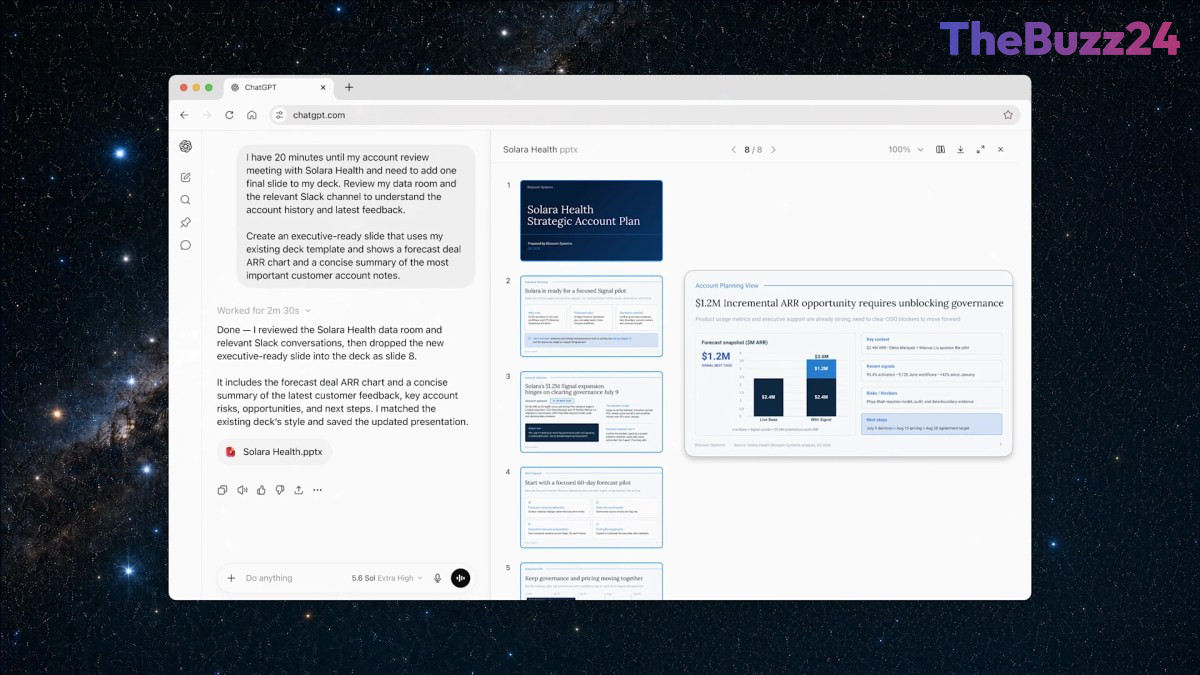
Furthermore, the ChatGPT desktop application is receiving a significant upgrade, featuring a more robust integrated browser. This enhancement will enable users to browse websites, log into accounts, download files, and interact with web pages without needing to leave the ChatGPT environment. A separate cloud browser, running remotely on OpenAI’s servers, will facilitate the app’s AI agents in completing tasks on behalf of the user. These combined updates aim to transform ChatGPT into a seamless, continuous workspace that spans across the Chrome browser, the desktop application, and an intelligent AI agent.
Key Takeaways
- OpenAI is discontinuing its standalone Atlas AI browser, launched in October, to streamline its product offerings.
- Atlas's core AI browsing features will be integrated into the ChatGPT desktop app and a new Google Chrome extension.
- This strategic shift aims to embed AI capabilities directly into existing user workflows, allowing for web page summarization, Q&A, and task completion without leaving ChatGPT or Chrome.
Editor’s Analysis & Impact
OpenAI’s decision to sunset Atlas and integrate its features into ChatGPT and a Chrome extension marks a significant strategic pivot in the AI browsing landscape. This move suggests a recognition that users prefer AI enhancements within their existing digital ecosystems rather than adopting entirely new browsers. For the market, this intensifies competition with Google, particularly with the new Chrome extension directly challenging Gemini Side Panel. It also signals a broader industry trend towards embedding AI agents more deeply into everyday tools, making them more pervasive and less of a separate application. The future outlook points to a more integrated AI experience, where AI agents seamlessly assist users across various platforms, potentially accelerating the adoption of AI-powered functionalities in productivity and information retrieval.
Frequently Asked Questions
Q: Why is OpenAI shutting down its Atlas browser?
A: OpenAI is discontinuing Atlas as part of a strategic decision to focus on integrating its AI browsing capabilities directly into its core ChatGPT products and widely used platforms like Google Chrome, rather than maintaining a standalone browser.
Q: What new features will be available in ChatGPT and the Chrome extension?
A: The ChatGPT desktop app will gain a more robust integrated browser for web interaction and file downloads, while the new Chrome extension will allow users to ask questions, summarize content, and initiate tasks directly from any web page they are viewing.
Q: How does this move impact the AI browsing market?
A: This shift intensifies competition, particularly with Google's Gemini Side Panel, and suggests a trend where AI browsing features are becoming integrated functionalities within existing browsers and applications, rather than standalone AI-centric browsers.
AI Disclosure: This article is based on verified data and official reports. Our Team and AI have cross-referenced every financial detail with primary sources to ensure total accuracy.
More from this Category