OpenAI Pivots Strategy: The Evolution Toward an AI-Powered Super App
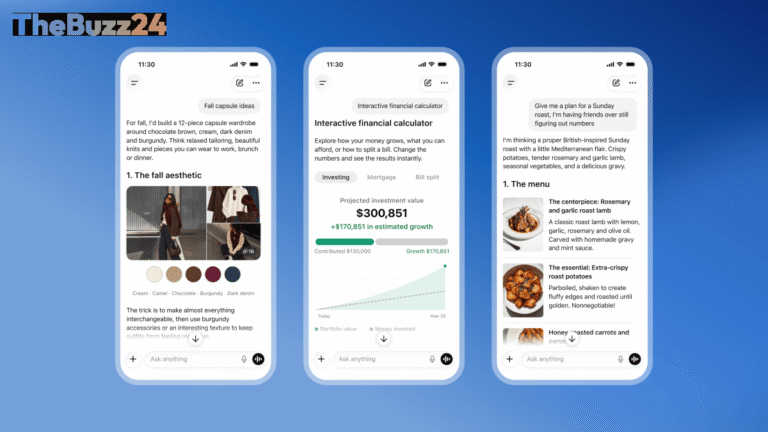
OpenAI is preparing to launch a significantly revamped version of ChatGPT in the coming weeks, signaling a major shift in the company’s product strategy. The updated platform is designed to function as a comprehensive “super app,” integrating advanced coding tools and autonomous AI agents to provide a more versatile user experience. This move marks a departure from the company’s previous focus on standalone products, as leadership aims to consolidate its offerings into a single, high-utility interface.
The strategic pivot is largely driven by the need to increase competitiveness against rivals like Anthropic, particularly within the lucrative enterprise sector. By transforming ChatGPT into a central gateway, OpenAI intends to convert its large base of free users into paying subscribers for specialized tools, such as its Codex coding engine. Internal sentiment suggests a move away from simple conversational interfaces, with some leadership figures noting that the era of basic chat-based interaction is evolving into something more functional and agentic.
Thibault Sottiaux, who oversees OpenAI’s core product and platform, emphasized that the company is building toward a future where users have a personal AI agent capable of assisting with both professional and personal tasks. This shift also reflects a broader effort to streamline operations and move toward profitability ahead of a potential initial public offering. As part of this consolidation, the company is reportedly deprioritizing experimental “side quests” to focus resources on the core super app infrastructure.
Key Takeaways
- OpenAI is consolidating its ecosystem into a single 'super app' to improve user retention and monetization.
- The company is shifting focus toward autonomous AI agents that can assist with complex personal and professional tasks.
- OpenAI is deprioritizing standalone experimental projects to focus on core profitability and enterprise competitiveness.
Editor’s Analysis & Impact
OpenAI’s transition toward a super app model represents a critical maturation phase for the generative AI industry. By moving away from fragmented, standalone tools, the company is attempting to create a ‘sticky’ ecosystem that integrates deeply into the daily workflows of both individual and enterprise users. This strategy is essential for long-term financial sustainability, as it creates a clearer path to monetization through subscription-based agentic services. The decision to deprioritize experimental projects like Sora suggests that OpenAI is under increasing pressure to demonstrate a clear return on investment to stakeholders. If successful, this super app could set a new industry standard, forcing competitors to either consolidate their own offerings or risk losing market share to a more integrated, all-encompassing AI platform.
Frequently Asked Questions
Q: What is the primary goal of OpenAI's new super app strategy?
A: The goal is to consolidate various AI tools into a single platform to increase competitiveness, drive user conversion to paid tiers, and improve overall profitability.
Q: Will OpenAI continue to develop standalone products like Sora?
A: Reports indicate that OpenAI is shifting its strategy to focus on the core super app, effectively deprioritizing 'side quests' or standalone experimental projects.
AI Disclosure: This article is based on verified data and official reports. Our Team and AI have cross-referenced every financial detail with primary sources to ensure total accuracy.
More from this Category