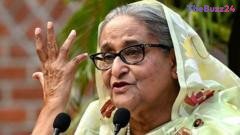
Ousted Leader Sheikh Hasina Announces Intent to Return to Bangladesh Amid Political Turmoil
Former Bangladeshi Prime Minister Sheikh Hasina has declared her intention to return to Dhaka on December 16, a date of profound national significance marking the country’s Victory Day. Hasina, who has been residing in Delhi since fleeing Bangladesh in August 2024 following a massive popular uprising, has formally requested that the current administration facilitate her transport back to the country. Her departure in 2024 ended a 15-year tenure and followed widespread student-led protests that resulted in significant casualties.
The announcement has been met with immediate and stern resistance from the current government. State Minister for Foreign Affairs Humayun Kabir explicitly rejected the notion of a voluntary return, stating that if the former leader were to arrive, she would be met with legal enforcement rather than a diplomatic welcome. The current administration has accused Hasina of orchestrating ongoing civil unrest from abroad, further straining the already fragile relationship between the two nations.
Hasina faces severe legal challenges, including a death sentence handed down in absentia by a Bangladeshi court for her alleged role in the violent crackdown on protesters. Despite these risks, her representatives maintain that her return is a symbolic necessity. Meanwhile, the Awami League, her political party, remains under a ban on political activities, and the current government continues to navigate the complexities of her potential extradition while managing domestic instability and diplomatic relations with regional neighbors.
Key Takeaways
- Sheikh Hasina has announced plans to return to Bangladesh on December 16, coinciding with the country's Victory Day.
- The current Bangladeshi government has rejected her request, stating she will face arrest upon arrival due to outstanding legal charges, including a death sentence.
- Hasina's continued political activity from exile in India remains a significant point of diplomatic tension between Dhaka and New Delhi.
Editor’s Analysis & Impact
The potential return of Sheikh Hasina represents a volatile flashpoint in South Asian geopolitics. Her attempt to reassert influence from exile challenges the legitimacy of the current administration and risks further destabilizing a nation already grappling with the aftermath of a violent regime change. From a market and economic perspective, this uncertainty discourages foreign direct investment and complicates Bangladesh’s efforts to integrate into regional trade frameworks. The diplomatic friction between Dhaka and New Delhi suggests that regional stability will remain precarious as long as the extradition issue remains unresolved. Future developments will likely hinge on whether the current government can consolidate its authority or if the lingering influence of the Awami League continues to fuel domestic unrest, potentially leading to further political polarization.
Frequently Asked Questions
Q: Why is the date December 16 significant for Sheikh Hasina's proposed return?
A: December 16 is Bangladesh's Victory Day, which commemorates the end of the 1971 war of independence. Hasina's father, Sheikh Mujibur Rahman, was the leader of that independence movement, making the date deeply symbolic for her political narrative.
Q: What is the current legal status of Sheikh Hasina in Bangladesh?
A: Hasina has been sentenced to death in absentia by a Bangladeshi court for crimes against humanity related to the violent suppression of student-led protests that occurred during her final days in office.
AI Disclosure: This article is based on verified data and official reports. Our Team and AI have cross-referenced every financial detail with primary sources to ensure total accuracy.
More from this Category