Over 100 US Water Systems Hit by Widespread Cyberattack Campaign
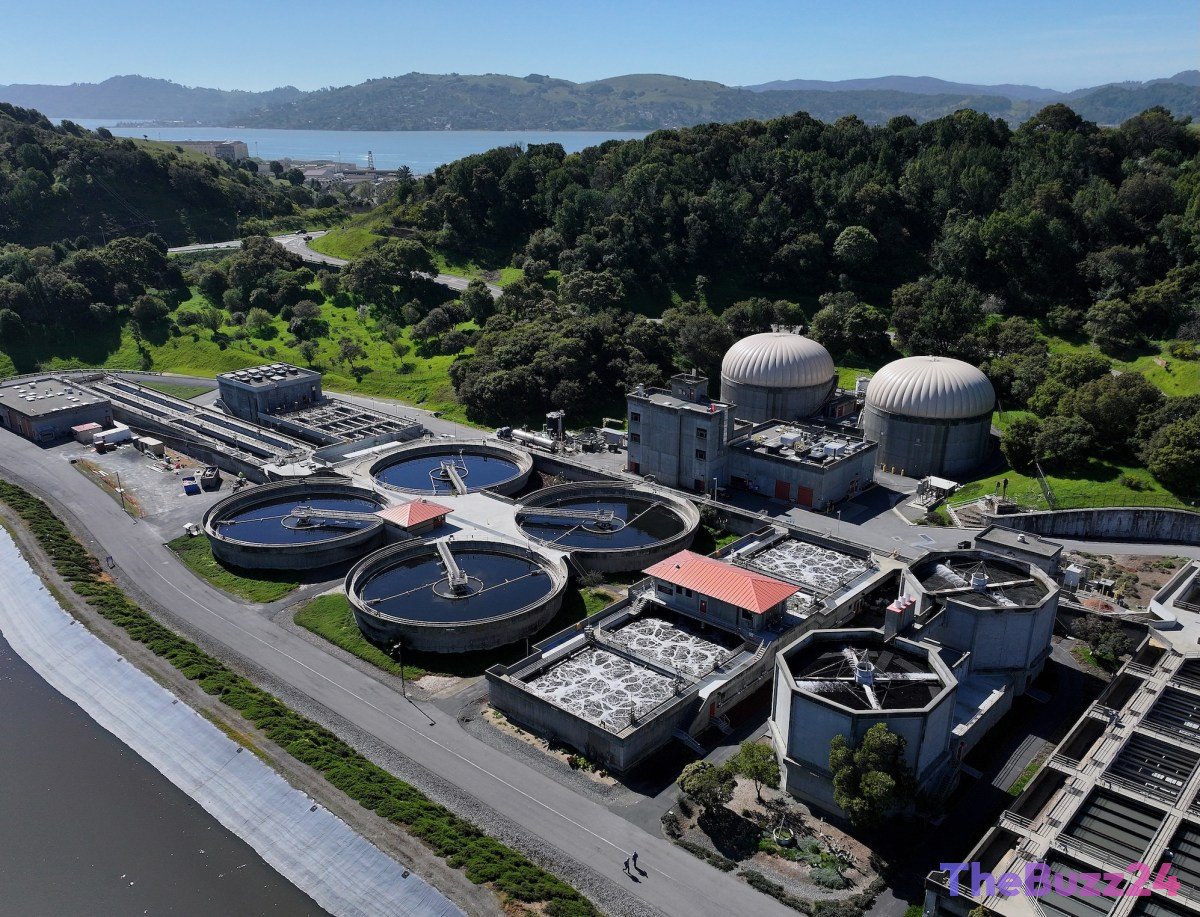
A sweeping wave of cyberattacks has targeted more than 100 internet-exposed systems across the United States water and wastewater sector, highlighting growing vulnerabilities within the nation’s critical infrastructure. The coordinated activity has hit utilities in Michigan, Minnesota, and at least five additional states, demonstrating a troubling expansion in the scale and frequency of attacks aimed at essential municipal utility providers.
According to federal cybersecurity advisories, the intrusions have focused primarily on programmable logic controllers (PLCs)—specialized digital computers used to manage industrial machinery and physical processes across water networks and energy grids. Threat actors have actively scanned for and exploited devices from leading industrial equipment manufacturers, including Rockwell Automation, Schneider Electric, and Siemens. Notably, investigators found that perpetrators used artificial intelligence tools to parse publicly accessible documentation, rapidly building automated scripts designed to compromise specific Siemens hardware.
While water quality and distribution to local communities have not suffered widespread physical contamination or prolonged cutoffs, the intrusions have forced operators into emergency response modes, leading to operational disruptions and temporary network outages. Alarmingly, some breaches allowed unauthorized actors to alter PLC configurations, disabling automatic shutdown failsafes and warning alarms. Such tampering creates potential safety risks by blinding municipal operators to critical system failures.
Many of the compromised facilities serve rural and isolated communities, which often operate with minimal dedicated IT security staff and limited budgets. Intelligence assessments suggest foreign state-backed actors, particularly linked to Iran, may be driving the opportunistic offensive amid heightened geopolitical tensions. The surge in attacks adds to mounting security concerns over critical infrastructure resiliency, as international adversaries increasingly probe domestic control systems for exploitable weaknesses.
Key Takeaways
- More than 100 water and wastewater facilities across at least seven U.S. states were targeted by malicious cyber campaigns.
- Hackers targeted programmable logic controllers (PLCs) manufactured by Siemens, Rockwell Automation, and Schneider Electric, leveraging AI tools to automate exploit creation.
- Although water distribution was not fundamentally compromised, attackers managed to disable safety alarms and shutdown mechanisms in some facilities.
Editor’s Analysis & Impact
The targeting of over 100 municipal water providers signals an urgent turning point for industrial control systems (ICS) security. Small and mid-sized municipal utilities have long operated as the soft underbelly of national critical infrastructure due to budget constraints, legacy equipment, and unsegmented remote-access connections. The integration of AI tools by threat actors to automate vulnerability discovery against hardware like Siemens PLCs lowers the barrier to entry for disruptive attacks. Moving forward, regulatory bodies are likely to mandate stricter baseline cybersecurity frameworks, automated threat-monitoring systems, and air-gapping requirements. For industrial automation vendors and critical utilities, bridging the cybersecurity gap is no longer optional—it is a vital matter of national public safety and operational survival.
Frequently Asked Questions
Q: Was the drinking water supply contaminated or shut off during the cyberattacks?
A: No widespread physical contamination or prolonged water supply interruptions occurred, though some systems experienced temporary disruptions and outages during incident response efforts.
Q: What specific equipment was targeted by the hackers?
A: The intrusions targeted programmable logic controllers (PLCs) manufactured by industrial automation companies including Siemens, Rockwell Automation, and Schneider Electric.
Q: Why are rural water facilities particularly vulnerable to cyberattacks?
A: Rural and small-scale water providers frequently lack the dedicated cybersecurity personnel, funding, and modern defense architecture needed to secure internet-exposed industrial hardware.
AI Disclosure: This article is based on verified data and official reports. Our Team and AI have cross-referenced every financial detail with primary sources to ensure total accuracy.
More from this Category