Pangram Secures $9 Million to Combat Internet AI Slop and Image Spoofing
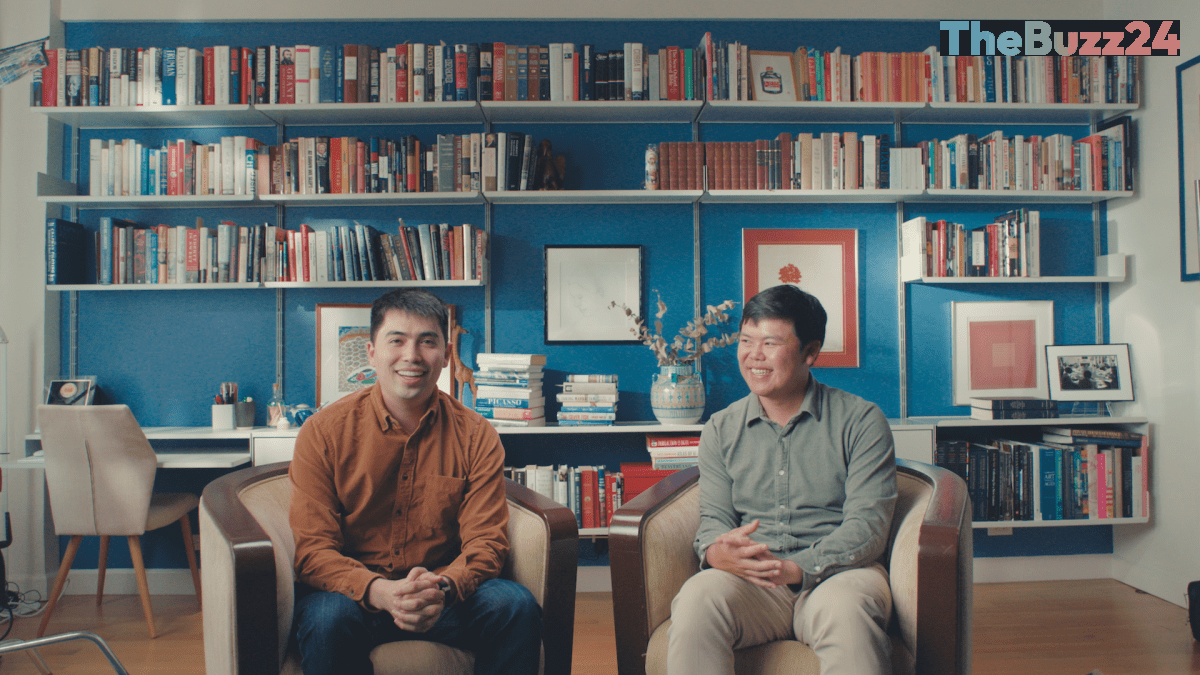
Pangram, an artificial intelligence verification startup founded by Stanford machine learning graduates Max Spero and Bradley Emi, has raised $9 million in a new funding round. The financing was led by Menlo Ventures, with additional backing from Haystack, ScOp, Script Capital, and Cadenza. The capital injection comes as online ecosystems face an unprecedented surge in automated text, synthetic media, and large language model-driven misinformation campaigns.
Coinciding with the funding, the company launched its latest text detection engine, Pangram 4, alongside a preview of its new computer vision tool, Pangram Image. Pangram 4 boasts an accuracy rate exceeding 99% for identifying AI-assisted writing, fully synthetic text, and content altered by AI “humanizer” software designed to bypass standard filters. Rather than relying on embedded watermarks or file metadata, Pangram’s detection architecture uses a custom machine learning model trained on tens of millions of authentic human documents mirrored by synthetic versions generated by leading frontier models.
Beyond flagging fully automated text, the system is designed to identify varying degrees of machine intervention, such as light grammar edits or stylistic polishes on human-authored drafts. The technology is available to individual users through a $20 monthly subscription and a Chrome browser extension that provides real-time content analysis on platforms including X, LinkedIn, Reddit, Substack, and Medium. Pangram also supplies an enterprise API utilized by platforms like Quora and Substack, as well as educational institutions, publishers, and recruiters seeking to verify content origin.
As organizations and institutions establish stricter rules against unverified machine-generated submissions—including academic archives enacting bans for hallucinated citations—the demand for reliable detection mechanisms is surging. Pangram’s expansion reflects a broader push across the technology sector to safeguard human-authored signal amidst a rapidly growing tide of machine-generated digital content.
Key Takeaways
- Pangram secured $9 million in fresh funding led by Menlo Ventures to scale its AI detection technology.
- The startup released Pangram 4, an upgraded text model boasting over 99% accuracy in identifying synthetic text and AI humanizer attempts.
- Pangram provides an API integrated by platforms like Substack and Quora, alongside a $20-per-month consumer tier and Chrome extension.
Editor’s Analysis & Impact
The rapid proliferation of low-cost generative models has created an existential challenge for digital platforms, academic institutions, and search engines trying to maintain content authenticity. Pangram’s $9 million funding round underscores the rising commercial valuation of verification tech in an era where synthetic content threatens to overwhelm human-created media. While early detection tools suffered from high false-positive rates and susceptibility to simple prompt workarounds, second-generation detectors leveraging deep statistical and pixel-level analysis represent a necessary evolution. Moving forward, AI detection is likely to transition from an optional auditing tool into essential infrastructure integrated natively into enterprise workflows, social media networks, and publishing platforms to protect trust and signal quality.
Frequently Asked Questions
Q: How does Pangram detect AI-generated text without watermarks?
A: Pangram trains its machine learning models on tens of millions of human documents alongside synthetic mirrors generated by frontier LLMs, allowing the system to recognize the distinct stylistic choices and statistical patterns native to AI output.
Q: Where can users access Pangram's detection tools?
A: Users can access Pangram via a $20 monthly web subscription, a Chrome browser extension for real-time social media scanning, or through an enterprise API.
Q: Which platforms currently integrate Pangram’s technology?
A: Pangram's technology is integrated via API by platforms such as Substack and Quora, alongside media publishers, academic institutions, and recruitment firms.
AI Disclosure: This article is based on verified data and official reports. Our Team and AI have cross-referenced every financial detail with primary sources to ensure total accuracy.
More from this Category