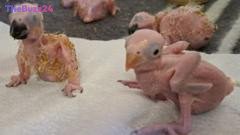
Parrot Eggs Hatch After Alleged Smuggler Apprehended at South African Airport
Dozens of parrot eggs, believed to be from endangered species, have successfully hatched following their seizure at South Africa’s O.R. Tambo International Airport last Thursday. The discovery led to the arrest of a 50-year-old Thai national who was allegedly attempting to transport the eggs in a makeshift incubator bag as hand luggage.
The chicks are now under intensive care, with conservationists working to ensure their survival. This incident underscores the persistent threat of illegal wildlife trafficking, particularly involving species protected under international agreements like CITES. The Department of Forestry, Fisheries and the Environment (DFFE) confirmed that initial investigations point to the eggs belonging to protected parrot species.
The operation involved a collaborative effort between the DFFE, the specialized environmental enforcement unit known as the Green Scorpions, and various police divisions. Environment Minister David Maynier commended the agencies for their coordinated defense of the nation’s natural heritage. He also extended gratitude to the staff at the National Zoological Garden in Pretoria for their crucial role in incubating the seized eggs and caring for the hatchlings.
This arrest follows a similar incident in July, where another Thai citizen was apprehended at the same airport with 418 parrot eggs. These repeated attempts highlight the increasing sophistication of transnational wildlife trafficking networks and the critical need for intelligence-led law enforcement. The DFFE emphasized that the illegal trade in parrot eggs poses a significant danger to wild bird populations and animal welfare, often involving smuggling methods that endanger developing embryos.
Key Takeaways
- Dozens of endangered parrot eggs, intercepted at a South African airport, have hatched and are receiving intensive care.
- A Thai national was arrested for allegedly attempting to smuggle the eggs in a homemade incubator bag.
- The incident highlights the ongoing challenge of transnational wildlife trafficking and the importance of inter-agency cooperation in combating it.
Editor’s Analysis & Impact
This incident serves as a stark reminder of the pervasive nature of the illegal wildlife trade, which continues to target South Africa’s rich biodiversity. The sophistication of smuggling methods, such as the use of homemade incubators, indicates that criminal networks are adapting their tactics. The successful hatching of the eggs, while a positive outcome for the individual birds, underscores the immense effort required in conservation and rehabilitation post-seizure. It also points to the significant financial incentives driving these illicit operations, often linked to international black markets. Enhanced international cooperation and stricter enforcement are crucial to dismantle these networks and protect vulnerable species.
Frequently Asked Questions
Q: What are the potential penalties for wildlife trafficking in South Africa?
A: Convicted wildlife traffickers in South Africa face severe penalties, including fines of up to 10 million rand (approximately $626,000 USD), imprisonment for up to 10 years, or both.
Q: Why is the illegal trafficking of parrot eggs a significant concern?
A: The illegal collection and trafficking of parrot eggs pose a serious threat to wild bird populations, potentially leading to declines in endangered species. The smuggling process itself often involves conditions that are detrimental to the welfare of developing embryos and hatchlings, reducing their chances of survival.
Q: What measures are in place to combat wildlife trafficking in South Africa?
A: South Africa has implemented a strategy to strengthen collaboration between government institutions, law enforcement agencies, conservation authorities, customs officials, prosecutors, and international partners. This coordinated approach aims to dismantle criminal networks involved in the illicit wildlife trade.
AI Disclosure: This article is based on verified data and official reports. Our Team and AI have cross-referenced every financial detail with primary sources to ensure total accuracy.
More from this Category