Pentagon Explores NATO Sanctions Over Iran War Support Lapses
An internal Pentagon document has surfaced, detailing potential U.S. responses to NATO allies perceived as insufficiently supportive during the recent conflict with Iran. The leaked memo outlines a range of punitive measures, including the drastic step of suspending Spain from the alliance and re-evaluating U.S. backing for Britain’s claim to the Falkland Islands.
The policy options emerged from a note expressing significant frustration within the U.S. defense establishment regarding certain allies’ reluctance to grant essential basing, access, and overflight rights, commonly referred to as ABO, for operations related to the Iran war. The document emphasizes that such cooperation is considered a fundamental requirement for NATO members.
President Donald Trump has been vocal in his criticism of NATO allies, particularly their perceived failure to contribute naval assets to secure the Strait of Hormuz following the conflict’s escalation. While the email does not explicitly propose a U.S. withdrawal from NATO, it does explore options for leveraging U.S. influence within the alliance to ensure greater burden-sharing. One proposed measure involves sidelining “difficult” countries from prominent roles within NATO structures.
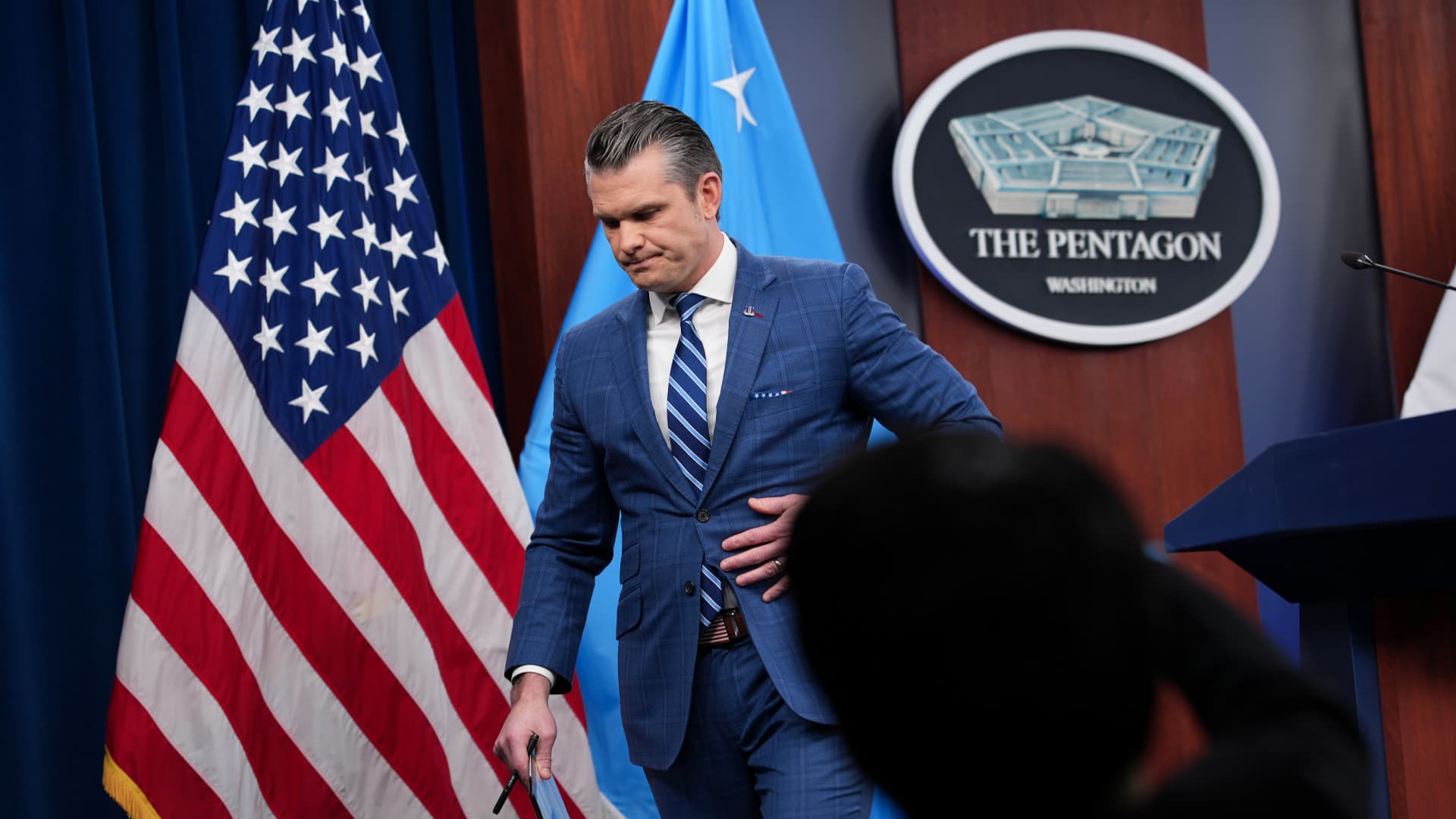
Pentagon Press Secretary Kingsley Wilson confirmed the existence of internal deliberations aimed at ensuring allies fulfill their commitments. “The War Department will ensure that the President has credible options to ensure that our allies are no longer a paper tiger and instead do their part,” Wilson stated, declining further comment on internal discussions. The memo reportedly aims to curb a perceived “sense of entitlement” among European allies, highlighting the strategic importance of mutual support within the alliance, especially given the geographic reach of potential threats.
Key Takeaways
- The Pentagon is considering punitive measures against NATO allies for perceived lack of support during the Iran conflict.
- Potential sanctions include suspending Spain from NATO and reviewing support for the Falkland Islands claim.
- The internal document reflects U.S. frustration over allies not providing necessary basing and access rights for military operations.
Editor’s Analysis & Impact
This internal Pentagon communication signals a significant hardening of the U.S. stance within NATO, driven by a perceived imbalance in burden-sharing during critical international conflicts. The exploration of sanctions, particularly the suspension of a member state like Spain, represents a dramatic departure from traditional alliance diplomacy and underscores President Trump’s “America First” approach to foreign policy. The implications for NATO’s cohesion and future effectiveness are profound. If enacted, such measures could fracture the alliance, embolden adversaries, and fundamentally alter the geopolitical landscape. The focus on ABO rights highlights the practical military necessities that underpin political alliances, suggesting a potential shift towards transactional relationships over traditional mutual defense commitments.
Frequently Asked Questions
Q: What are ABO rights in the context of NATO?
A: ABO rights refer to Basing, Access, and Overflight rights, which allow allied forces to operate within or transit through the territory of other member nations. These are considered fundamental for effective military cooperation and joint operations within the NATO framework.
Q: Why is Spain mentioned specifically in the Pentagon email?
A: Spain is specifically mentioned because its leadership reportedly stated it would not allow its bases or airspace to be used for an attack on Iran. The U.S. maintains significant military bases in Spain, including Naval Station Rota and Morón Air Base, making their cooperation crucial for certain operations.
Q: What is the significance of the Falkland Islands mention?
A: The mention of the Falkland Islands relates to a potential U.S. reassessment of its diplomatic support for longstanding European territorial claims. The islands are a point of contention between the United Kingdom and Argentina, and the U.S. potentially withdrawing support could have diplomatic repercussions.
AI Disclosure: This article is based on verified data and official reports. Our Team and AI have cross-referenced every financial detail with primary sources to ensure total accuracy.
More from this Category