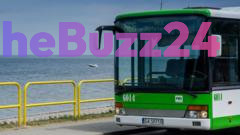
Poland’s Infamous ‘Highway to Hel’ Bus Route Returns to Service
A popular and controversial bus route in Poland, famously dubbed the ‘Highway to Hel,’ has been revived for travelers. The route, which connects the southern city of Kraków to the coastal town of Hel, gained international notoriety for its original designation as bus line 666. The numerical choice was a deliberate marketing strategy designed to draw attention to the summer holiday route, playing on the phonetic similarity between the destination name and the English word ‘hell.’
For years, the route faced significant backlash from religious conservative groups who viewed the association as offensive. Critics argued that the use of the number 666—often cited in the Bible as the ‘number of the beast’—was a form of promoting satanism within a predominantly Roman Catholic nation. Under mounting pressure from these groups, the local transport operator, PKS Gdynia, officially retired the number in 2023, rebranding the service as line 669.
Despite the previous controversy, the connection remains a vital link for tourists traveling to the Hel Peninsula, a scenic destination known for its sandy beaches, historic architecture, and a popular seal sanctuary. The current 13-hour service, now operated by FlixBus, continues to pass through major urban centers, including Warsaw, maintaining its status as a unique fixture of Polish summer travel. The revival of the route highlights the ongoing tension between creative marketing tactics and traditional cultural sensitivities in the region.
Key Takeaways
- The bus route connecting Kraków to the Hel Peninsula has been revived after previously being rebranded due to religious backlash.
- The original line number 666 was a marketing tactic that drew criticism for its perceived satanic connotations.
- The service is now operated by FlixBus and remains a key transit option for tourists visiting Poland's northern coast.
Editor’s Analysis & Impact
The ‘Highway to Hel’ saga serves as a fascinating case study in the intersection of viral marketing and cultural conservatism. By leveraging a provocative numerical association, the bus line achieved global brand recognition that a standard route number could never provide. However, the subsequent forced rebranding illustrates the limitations of ‘edgy’ marketing in markets where religious influence remains a potent social force. From a business perspective, the transition from a local operator to a major international player like FlixBus suggests that the route’s commercial viability outweighs the reputational risks associated with its controversial history. Moving forward, this case underscores how companies must balance the desire for high-visibility branding with the potential for public relations friction in culturally sensitive regions.
Frequently Asked Questions
Q: Why was the bus route originally called 666?
A: The number 666 was chosen as a clever marketing tactic to draw attention to the route, as the destination 'Hel' sounds similar to the English word 'hell'.
Q: Is the bus route still numbered 666?
A: No, the number was changed to 669 in 2023 following complaints from religious groups who found the original number offensive.
AI Disclosure: This article is based on verified data and official reports. Our Team and AI have cross-referenced every financial detail with primary sources to ensure total accuracy.
More from this Category