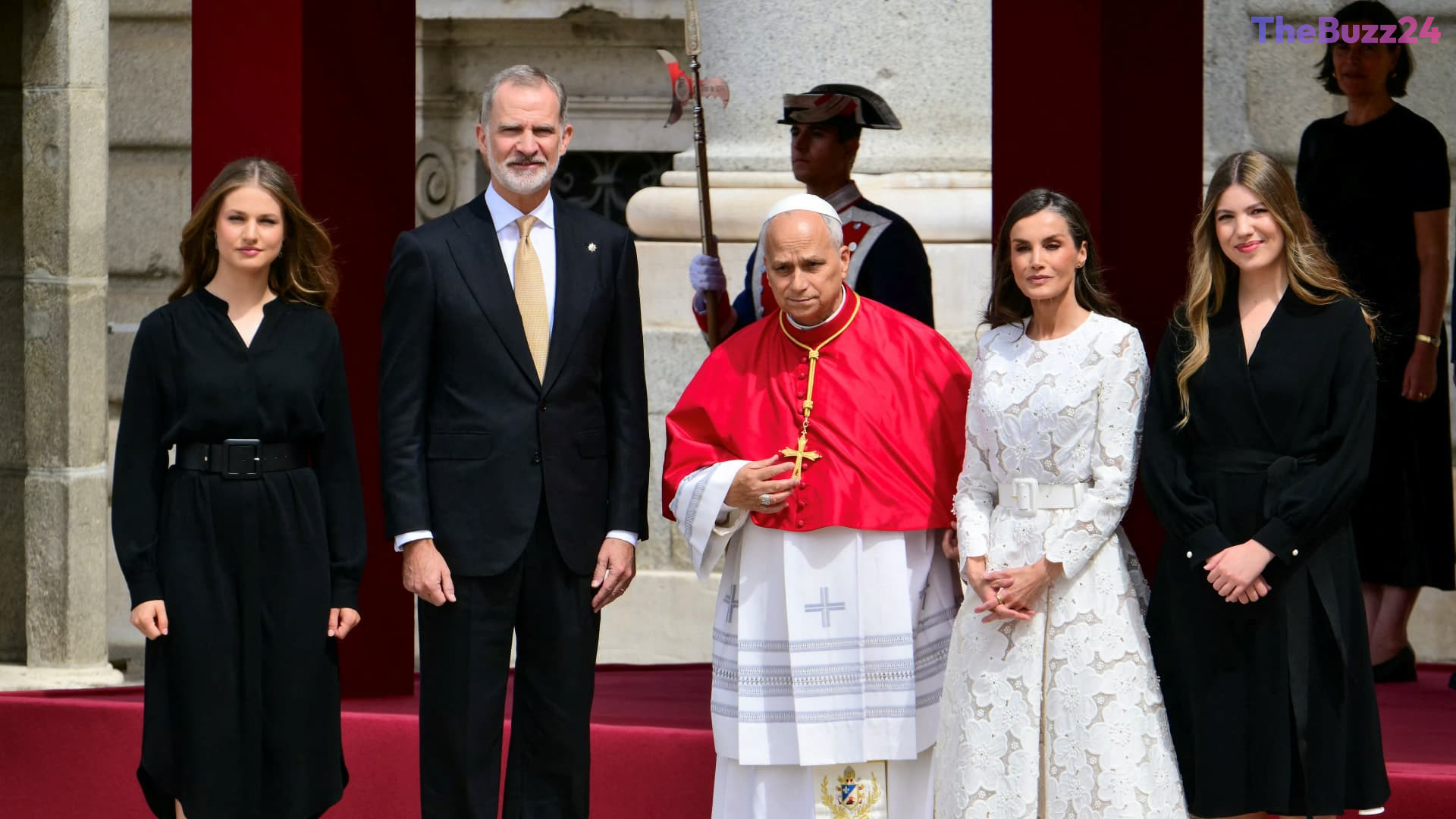
Pope Leo Calls for Unity and Compassion During Landmark Spanish Tour
Pope Leo has issued a strong appeal to global leaders to abandon the politics of polarization and division, urging a return to empathy and critical thinking. Speaking at the Royal Palace in Madrid alongside King Felipe VI, the Pope warned that the modern temptation to gain popularity by fanning the flames of societal conflict is eroding human dignity. He specifically pointed to the role of technology in magnifying prejudices and weakening the public’s ability to engage in nuanced, critical discourse.
During his week-long visit to Spain—his first trip to a European Union nation outside of Italy—the Pope highlighted the country’s historical legacy of peaceful coexistence. He referenced the medieval School of Translators in Toledo as a model for how diverse cultures can collaborate to advance human knowledge. This message of unity served as a backdrop to his interactions with migrants and youth, as he visited a homeless shelter and presided over a massive vigil attended by approximately 600,000 young people.
The visit comes at a time of shifting demographics and social policy in Spain, where the government has recently implemented a mass amnesty program for immigrants. While the Pope’s message resonated with many, his trip also faces scrutiny regarding the Church’s handling of historical sexual abuse scandals. As he prepares to meet with survivors, advocacy groups are calling for substantive legal recognition, psychological support, and compensation, emphasizing that symbolic gestures are insufficient to address the systemic trauma caused by clergy abuse.
Despite the gravity of his mission, the Pope maintained a lighthearted demeanor, joking about his ‘competition’ for the attention of the youth with popular musician Bad Bunny, who was performing in Madrid simultaneously. With over 20 speeches scheduled, including a historic address to the Spanish parliament, the Pope’s tour aims to bridge the gap between traditional religious values and the complexities of modern, globalized society.
Key Takeaways
- Pope Leo urged global leaders to reject polarizing rhetoric and embrace the complexity of societal issues.
- The visit highlights Spain's role as a model for cultural cooperation while addressing contemporary challenges like migration and social integration.
- Advocacy groups are demanding concrete reparations and legal recognition for victims of clergy abuse as the Pope continues his tour.
Editor’s Analysis & Impact
Pope Leo’s visit to Spain represents a strategic effort to reassert the Church’s relevance in a secularizing Europe. By addressing the ‘sterile simplifications’ of modern political discourse, the Pope is positioning the Vatican as a moral counterweight to the rise of populist, divisive ideologies. However, the success of this mission is complicated by the ongoing fallout from clergy abuse scandals. The Church’s ability to maintain its moral authority hinges on its transition from symbolic outreach to tangible, transparent accountability for victims. Economically and socially, the Pope’s focus on migration and youth engagement reflects an attempt to align the Church with the demographic realities of the 21st century. Future implications will depend on whether these high-profile diplomatic efforts can translate into lasting policy changes within the Church and broader societal shifts toward more inclusive, less polarized public debates.
Frequently Asked Questions
Q: What is the primary focus of Pope Leo's visit to Spain?
A: The visit focuses on promoting unity, addressing the challenges of migration, and engaging with the youth, while also confronting the Church's history regarding clergy abuse.
Q: Why are victims' groups calling for more than just a meeting with the Pope?
A: Victims' groups argue that symbolic meetings are insufficient and are instead demanding legal recognition, lifelong psychological care, and adequate financial compensation for the abuse they suffered.
AI Disclosure: This article is based on verified data and official reports. Our Team and AI have cross-referenced every financial detail with primary sources to ensure total accuracy.
More from this Category