Pope Leo XIV Returns to Andean Roots to Highlight Rural Hardship
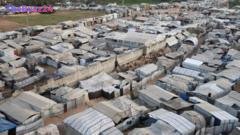
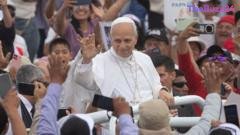
Pope Leo XIV recently concluded a poignant visit to the remote Andean town of Santa Cruz de Succhabamba, Peru, using the platform to draw international attention to the plight of communities struggling with migration and poverty. Despite the town’s small population of 6,000, an estimated 20,000 people gathered to welcome the pontiff, who served as the local bishop in the region from 2015 to 2023. During an outdoor Mass, the Pope addressed the systemic challenges facing the Cajamarca region, which currently reports the highest poverty rate in Peru.
In his sermon, the Pope spoke candidly about the ‘suffering’ of those forced to abandon their homelands in pursuit of economic stability. He highlighted the demographic crisis caused by declining birth rates and the mass exodus of residents, noting that hundreds of thousands of people born in the region have migrated elsewhere in search of opportunity. The Pope’s message emphasized the importance of resilience and community solidarity, urging those remaining to maintain hope despite the unequal distribution of resources and the lack of basic infrastructure.
This visit holds deep personal significance for the 71-year-old leader, who holds Peruvian citizenship and spent decades living in the country. The trip comes shortly after the Pope underwent surgery for lung cancer, an experience he noted has deepened his empathy for those who lack access to timely medical diagnostics and treatment. As he continues his 12-day tour of Latin America, the Pope’s focus remains on the intersection of faith and the socio-economic realities of the rural poor, with upcoming stops planned for Cusco and the Amazon rainforest before his return to Rome.
Key Takeaways
- Pope Leo XIV visited the remote Peruvian town of Santa Cruz de Succhabamba to address issues of poverty and mass migration.
- The Cajamarca region faces significant economic hardship, with over 40% of the population living in poverty and high rates of internal migration.
- The Pope, who served as the local bishop for eight years, used the visit to advocate for better healthcare access and community support for rural populations.
Editor’s Analysis & Impact
The visit of Pope Leo XIV to the Andean highlands serves as a strategic move to re-center the Catholic Church’s focus on the ‘peripheries’ of the global economy. By highlighting the specific struggles of the Cajamarca region, the Pope is leveraging his personal history and status to bring visibility to the systemic issues of rural depopulation and economic inequality in Latin America. From a broader perspective, this tour signals a shift toward a more grassroots-oriented leadership style, prioritizing the concerns of marginalized communities over traditional diplomatic formalities. The focus on healthcare access, particularly following his own cancer surgery, suggests that the Vatican may increasingly align its moral authority with global health advocacy, potentially influencing future policy discussions regarding medical equity in developing nations.
Frequently Asked Questions
Q: Why is the Pope's visit to Santa Cruz de Succhabamba considered significant?
A: The visit is significant because the Pope served as the bishop for that specific diocese for eight years, and he holds Peruvian citizenship, making the trip a homecoming that highlights his deep ties to the local population.
Q: What specific social issues did the Pope address during his sermon?
A: The Pope addressed the suffering caused by forced migration, declining birth rates that are emptying rural villages, and the unequal distribution of resources in the impoverished Cajamarca region.
AI Disclosure: This article is based on verified data and official reports. Our Team and AI have cross-referenced every financial detail with primary sources to ensure total accuracy.
More from this Category