President Trump Defends Intervention in Folarin Balogun’s World Cup Suspension
President Donald Trump has publicly defended his decision to contact FIFA President Gianni Infantino regarding the controversial red card issued to U.S. Men’s National Team striker Folarin Balogun. The intervention followed a match against Bosnia and Herzegovina, where Balogun was ejected, triggering an automatic one-game suspension that would have sidelined him for the upcoming knockout match against Belgium.
Following the discussion between the President and the head of the international soccer governing body, FIFA opted to overturn the suspension. This decision has sparked significant debate regarding the influence of political figures on international sports officiating and disciplinary processes. The reversal ensures that Balogun will be eligible to compete in the high-stakes match scheduled for Monday night in Seattle.
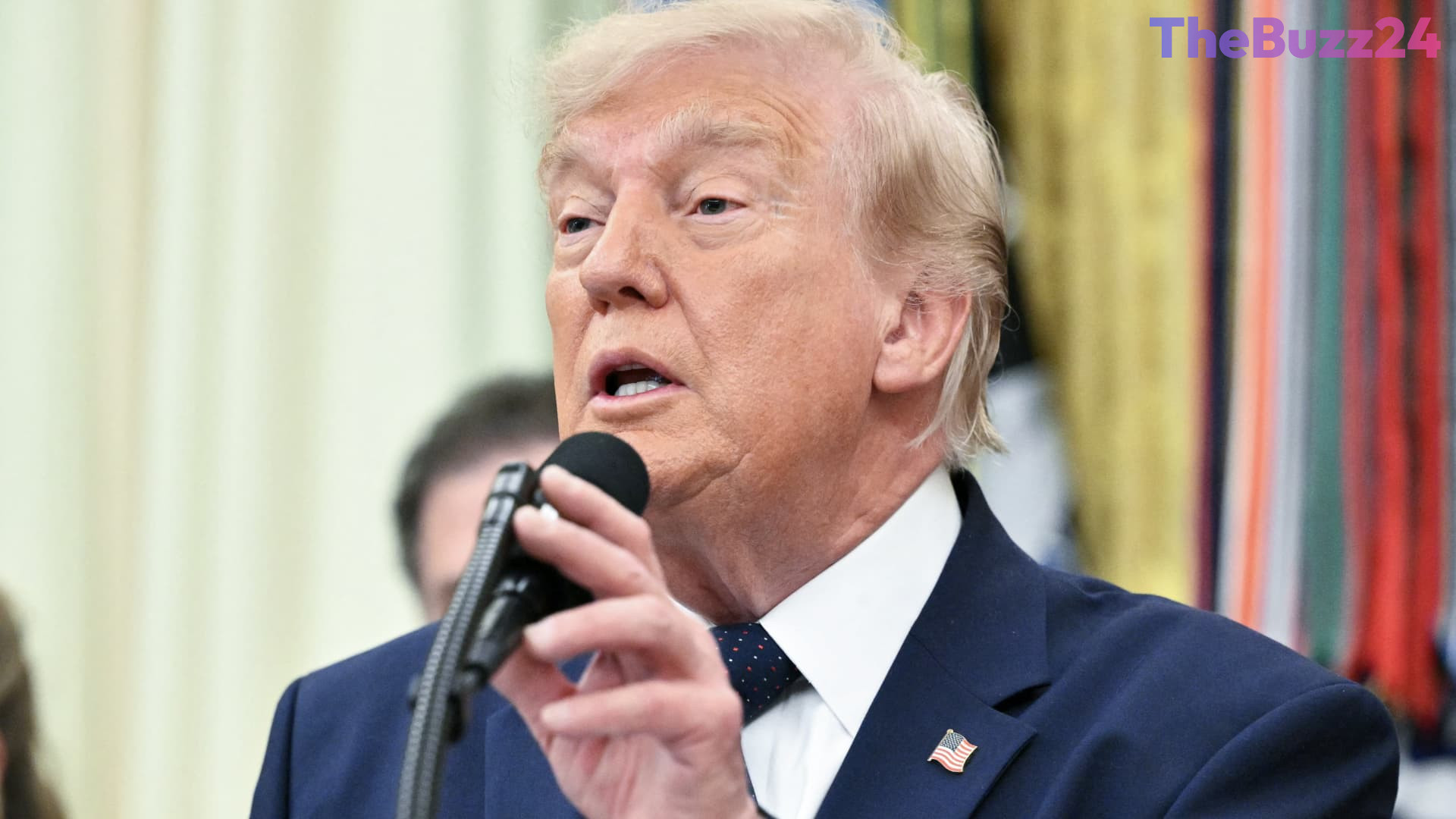
During an event at the White House, the President maintained that his communication was intended to request a review rather than dictate a specific outcome. He expressed skepticism regarding the initial foul call, noting that he had questioned the validity of the red card. The President further emphasized that allowing the suspension to stand would have cast a shadow over the integrity of the match against Belgium, regardless of the final score.
Key Takeaways
- President Trump contacted FIFA President Gianni Infantino to request a review of Folarin Balogun's red card suspension.
- FIFA subsequently overturned the one-game ban, allowing Balogun to participate in the U.S. knockout match against Belgium.
- The President stated he did not command the decision but sought to ensure the match's integrity by questioning the initial foul call.
Editor’s Analysis & Impact
This incident highlights a rare and contentious intersection between high-level political diplomacy and international sports governance. By intervening in a FIFA disciplinary matter, the President has drawn attention to the autonomy of international sporting bodies and the potential for political pressure to influence officiating outcomes. While the administration frames the call as a request for fairness, critics argue that such actions set a dangerous precedent for the politicization of global sports. Moving forward, this event may force FIFA to re-evaluate its communication protocols with world leaders to maintain the appearance of neutrality. The broader implication is a potential shift in how international organizations handle external influence, as the sports world grapples with the balance between diplomatic relations and the strict, independent enforcement of competition rules.
Frequently Asked Questions
Q: Why was Folarin Balogun originally suspended?
A: Balogun was issued a red card and ejected from a match against Bosnia and Herzegovina, which resulted in an automatic one-game suspension.
Q: Did the President's call guarantee the reversal of the suspension?
A: The President stated that he did not tell the FIFA President what to do, but rather requested a review of the call because he did not believe it was a foul.
AI Disclosure: This article is based on verified data and official reports. Our Team and AI have cross-referenced every financial detail with primary sources to ensure total accuracy.
More from this Category